Okawachiyama Village
Kyūshū / Fukuoka / Japan Nov-Dec 2023
I lived in Fukuoka for six weeks while attending language classes, bummed around Kyūshū via train on the weekends, and spent two weeks exploring Honshu.
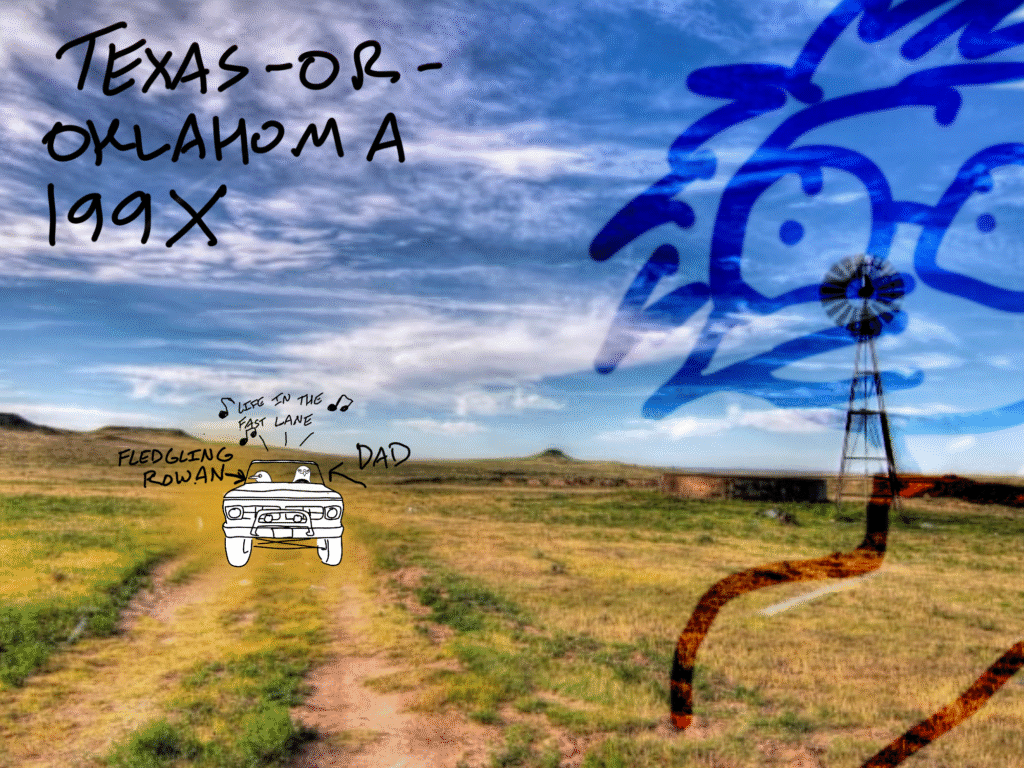
Context: Proustian Road to Nowhere
Context: Proustian Road to Nowhere
I am in the latter half of my thirties. I am in a remote Japanese village.
I am in my parents’ car twenty-five years ago staring out the window at flat, dead fields that spread out, and out, and out, like a firmly-tucked sheet, under a huge sky.
I am daydreaming about going somewhere far away, somewhere not here.
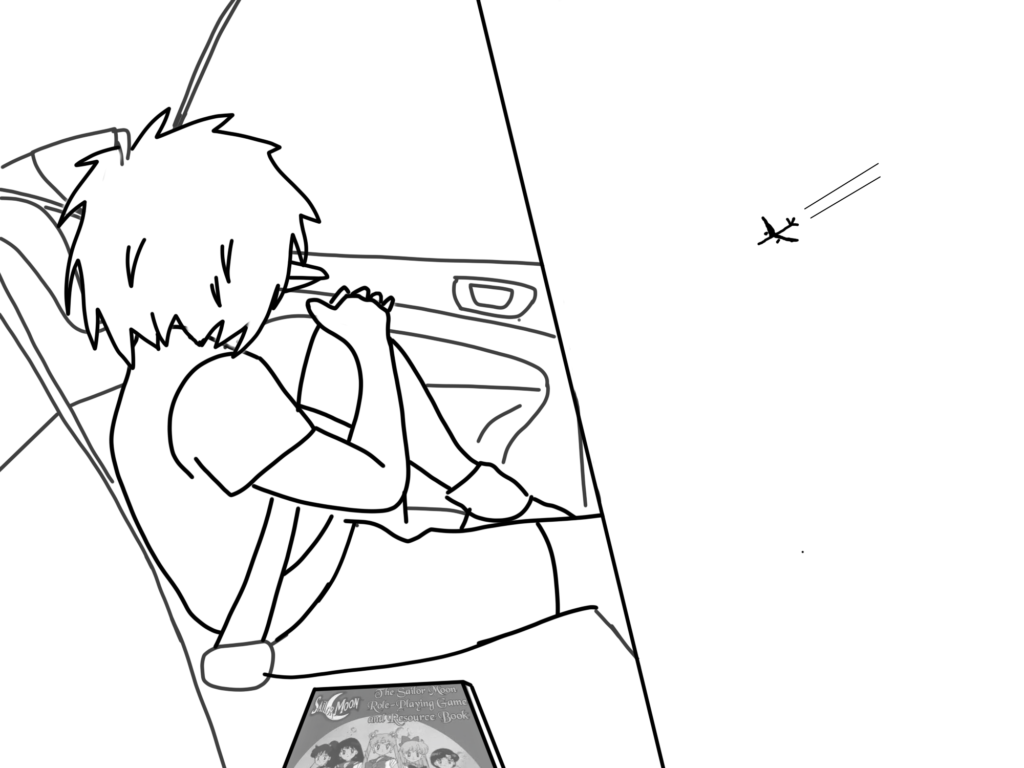
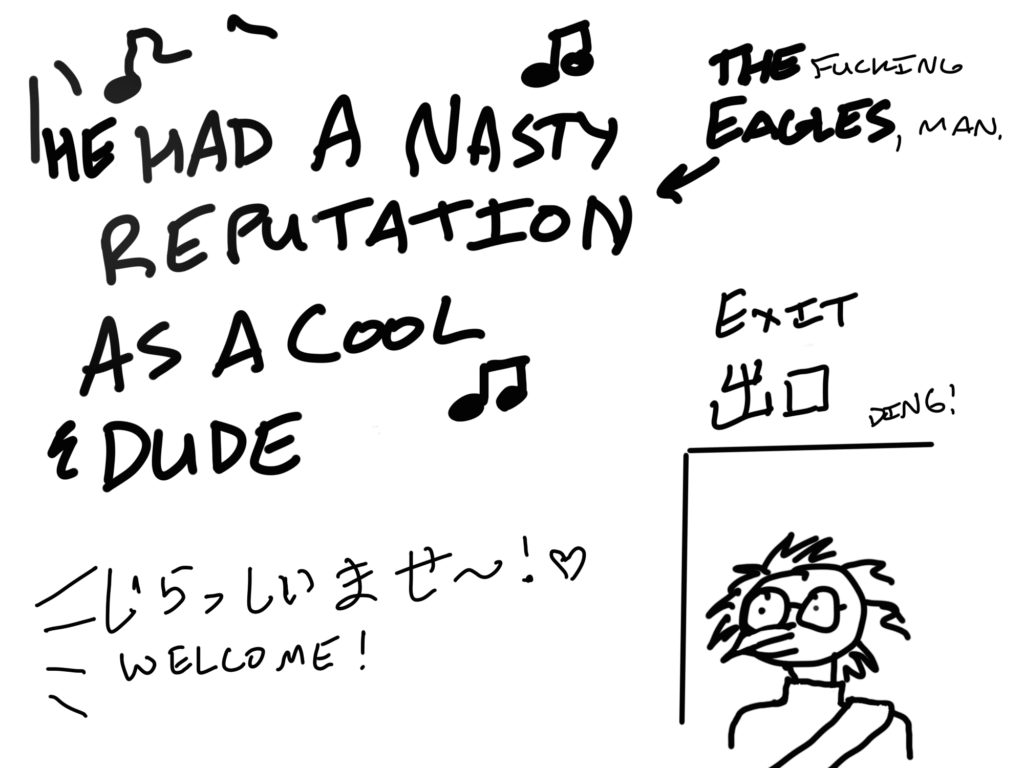
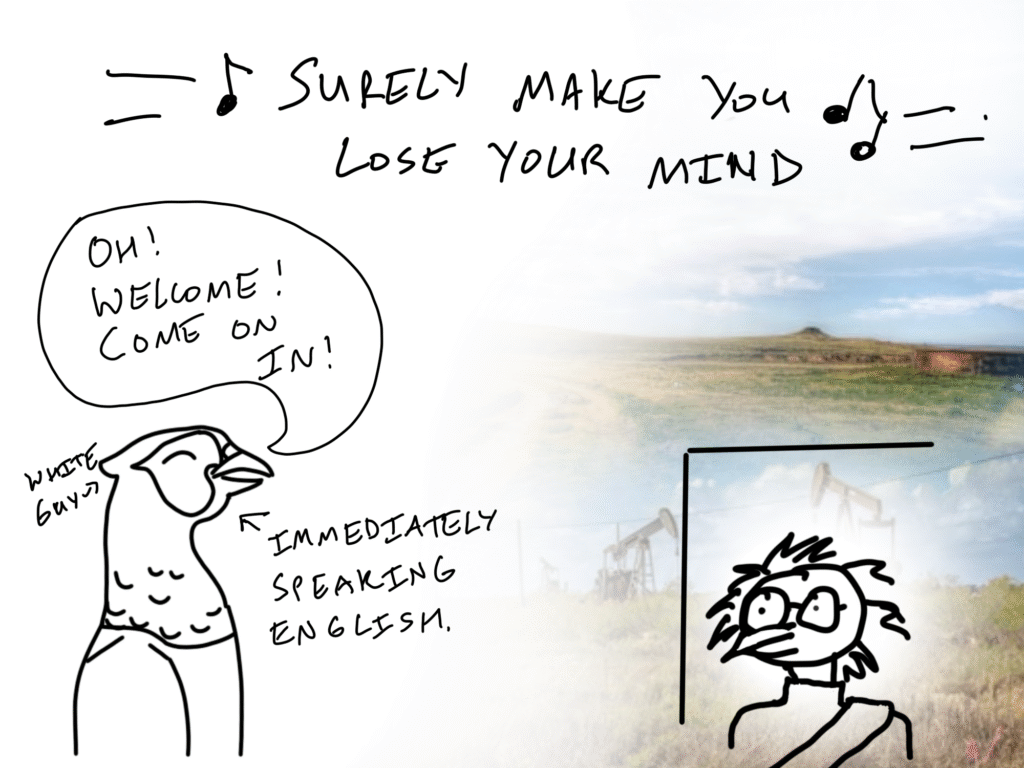
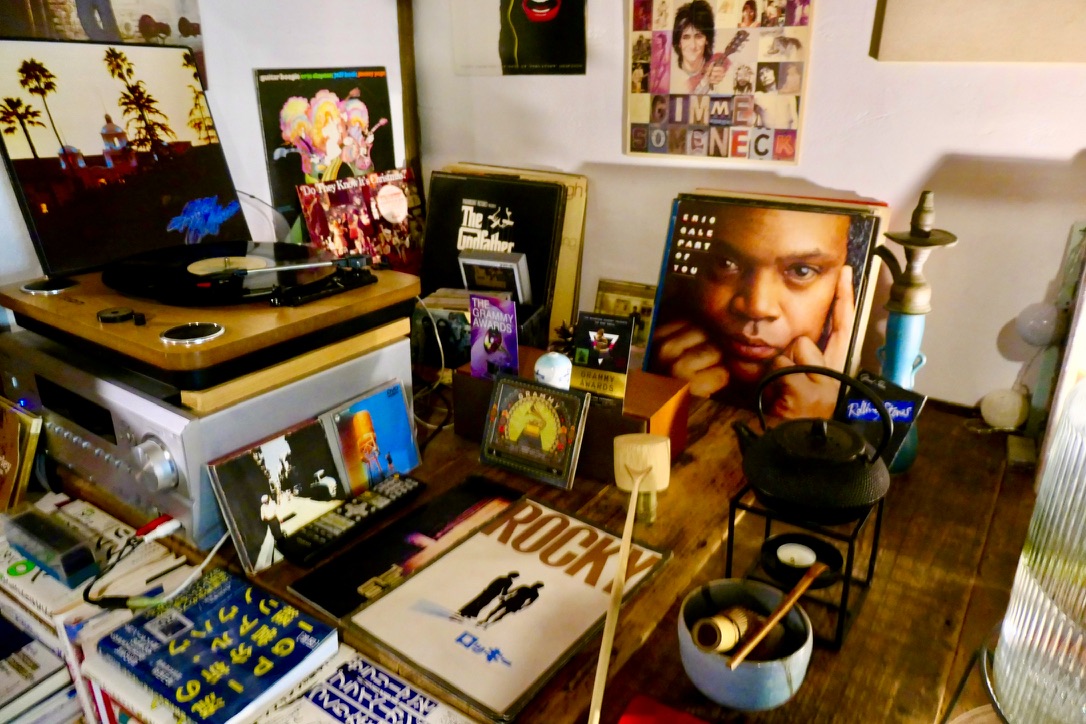
The Eagles always summon a memory of driving along a Texas-or-Oklahoma road with my dad, but this time, hearing them in Okawachiyama, entering a small building from a silent Japanese mountain village, I was thrown back with a Proustian force. And I was in two places at once, two times, on opposite ends of the world. I was ten, looking up at airplanes. I was in my mid-thirties, adult, free, traveling simply with a backpack and a journal, and I could in theory walk to the horizon and there I would still be, free, with my journal, my camera, everything I needed. I had the freedom of the outsider. Everybody is, if anything, pleasantly surprised when I comport myself politely and humbly; not much else seems to be expected. The Traveler will have strange ways. It is accepted, so long as you respect the peoples you visit.
Tokyo might as well have been the dark side of the moon when I was a kid in the Panhandle, for as likely as it was I would ever get there, and a small village in Kyushu, Mars.
There’s a city in my mind
Going to the Champs-Elysées I found unendurable. If only Bergotte had described the place in one of his books, I should, no doubt, have longed to see and to know it, like so many things else of which a simulacrum had first found its way into my imagination. That kept things warm, made them live, gave them personality, and I sought then to find their counterpart in reality, but in this public garden there was nothing that attached itself to my dreams.
– Marcel Proust, Swann’s Way, “Place-Names: the Names”, In Search of Lost Time
There was a factory between my house and town that, from a distance, at night, looked almost like city lights and towers. I pretended it was the towns in the Pokémon anime. I pretended it was Tokyo. I pretended it was the future, and we had dense cities with trees and clean air and starry skies, and nobody cared about your gender or your religion or esoteric interests or any of those considerations that caused so much friction with people outside my family. That patch of “city” was a lodestone, a reminder that these places—places that more closely resembled the cities in my mind—existed, somewhere out there. The future-places, the potential-places. The future-times, when I would be in possession of myself.
I’ve always had a good sense of direction. Even when I was never the one driving the car, I knew which turns to take, which cardinal direction we were going at a given time. The airport was fixed in my mind, an anchor around which all my spatial awareness turned. It was a small airport but it could get you to bigger places where you could go anywhere. I had done it before. And I would gaze at airplanes passing over that were going from Somewhere to Somewhere, Somewhere where things happen.
The term “flyover country” is perfect. It is a gravity well.
I hyper-fixate on things. It has been enough of a problem in the past I had to get help. I also fixate on an idea, something I want to do in the future, and fall into a rapture of obsession where everything about my current life I do not like will be better, somewhere else. This is especially true if I genuinely do not like my current location, if everything in it—politically, culturally, spatially—is at contrast with what I want.
And it’s very far away, but it’s growing day by day
“…Names, offering us the image of the unknowable that we have invested in them and simultaneously designating a real place for us, force us accordingly to identify the one with the other, to a point where we go off to a city to seek out a soul that it cannot contain but which we no longer have the power to expel from its name…”
-Marcel Proust, The Guermantes Way, In Search of Lost Time
I still have my copy of the Sailor Moon Role-Playing and Resource Book from 1999. The pages are falling out. The spine is broken. The broken places in the spine make the book fall open onto spreads I obsessed over, spreads I remember verbatim. Character profiles. Summaries of episodes I never got to see. This was pre-streaming, pre-simulcast. Most anime took on the order of a few years to make it to the US and it was in a heavily-censored, bowdlerized form. I had free run of internet 1.0 (I am still grateful for this; I was able to create my soul) and there was a tight ring of Geocities and Angelfire fan pages for fansubbing groups, low-resolution screenshots, rambling single-paragraph episode descriptions in a tiny font poorly spaced under one screencap, often written in highlighter yellow on a background that was just another repeating screen shot or concept art, tiled poorly and unevenly. The patchwork nature of old websites is what I recall when I think of them: the seams between images, the MIDI files, text plopped over the seams, a box dragged-and-dropped in a browser-based website builder. I could sense the absolute mess that was the source code, a pile of fixed location boxes.
This book, these pages, were my Bible. I was a Biblical scholar seeking out every scrap of sacred word I could access and carving it on my heart. It took three hours on dialup to download a minute-and-a-half RealPlayer video of the Sailor Stars opening and it was as a fixed star in my memory, always coming back to worship. The role-playing book recommended the usenet posts of Maiko Covington on daily life in a Japanese school. I studied them as Gospel. In seventh grade I wrote a 200,000 word magical girl team novel in Japan scaffolded on them. I found the files recently, the ones I wrote. I checked the word count. I am in awe of my childhood prolificness. I want that abandon back, that surety-in-self, that desire to get something down.
Well we know where we’re going.
I was a kid. Of course I romanticized anywhere so different from where I was stuck, and which was shown to me in the context of magic and adventure and acceptance – the woman-prince Utena, the butch crossdresser Haruka, children going on their own adventures and being responsible for their own lives. Hints that the restrictions around beliefs and conduct in Christianity were not everywhere enforced. Even at the time I was aware that Japan had significant social issues and that anime in no wise represented daily life, and that as a solitary, proud, boyish girl I would make few friends. I accepted this was my lot anywhere out here east of Eden and frankly it didn’t much bother me. I would never find ‘home’, but there would be different challenges and deficiencies in other places: perhaps ones I could better live with than the ones in my current life. I at least wanted a chance to try. And I loved cities; traveling I felt I was getting to join the real world for a time, a global world, an international world, a world of universities and art and research and Different Ways.
That that dense future-city neverwhere in my mind attached itself to various city names as Proust notes happens with a place that is built up in the mind before it is visited. The scaffolding for the city that has built itself over decades. It is still a place dear to me. I visit the same dream-cities. I gave them the names of real cities, and sometimes, some parts of them match the namesake, as I am delighted to discover when I actually visit. But the mind-cities are always there and hold a primacy the real city cannot match, and in my dreams I still yearn to get there. I have mental maps. They are consistent. I am a strong lucid dreamer.
And we’re not little children. And we know what we want.
Of course I do not hold hard feelings against my parents for not giving me free run of the wide world in elementary school. They did the best they could and always meant well, encouraging my independence where they felt it would be fortifying. But childhood dependence was hard, for me. I still maintain, fully aware of myself and the realities of adult life as I am now, that I would have been happy with independence even if it meant great responsibility, more chores, hard decisions, figuring things out for myself. I would have accepted real threat of death or harm to feel that I was in control of my own life. I was enthralled with the independence awarded Ash at my age — ten! — to travel, to get into danger and scrapes and get himself out of it. He held himself tall. I wanted to have that self-respect, the ability to look an adult in the eye as an equal and be respected in turn. Sakura at the same age walked to and from school and all over town, took the train, took the bus, went grocery shopping, cooked, did chores, took day trips to other towns. So long as she did her chores and homework, she was free, able to act as an autonomous individual, worthy of respect. And she was contributing to the household, not a care burden.
Of course in my gut all that freedom got mixed up with “Japan”-the-place in the Proustian sense. This was all Japanese media. Little kids could ride the bus there and run errands, couldn’t they? Or go on their Pokémon adventures at ten? What do you mean American kids had the same levels of freedom a hundred years ago? Today’s Tom Sawyer is stuck in afterschool care hitting people with shoe-chucks. The adult-I-am begins to feel a neurotic child even imagining the current level of surveillance on children leveled on my child self. Despair closes over me and I would gnaw off my own leg to get out of the trap. I see the kids I work with and, at once seeing myself in them, want to scream “Leave me alone!”, want to run somewhere far away, somewhere I am alone with my own thoughts. My own decisions. I want to build myself.
And the future is certain. Give us time to work it out.
I am again in Japan. A man is asking me in my native language if I am okay. His wife is peeking out from the office, concerned.
Okawachiyama Village 大川内山 (the actual report)
Okawachiyama Village (大川内山)
(transcription of travel journal written night-of, with clarifications)
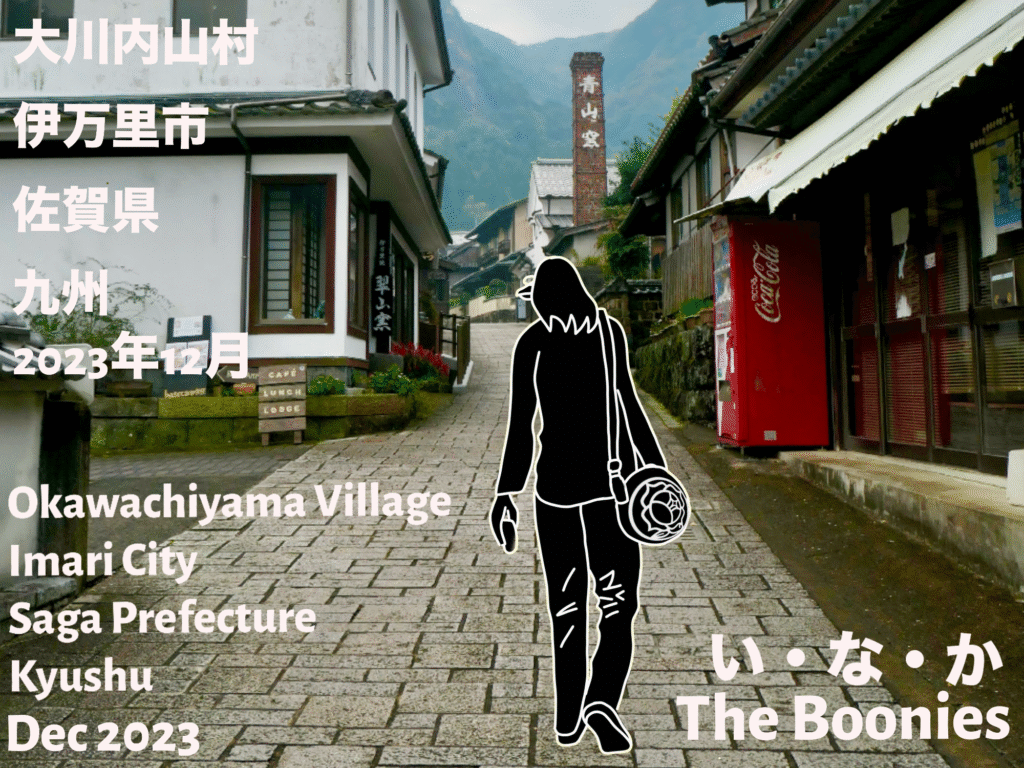
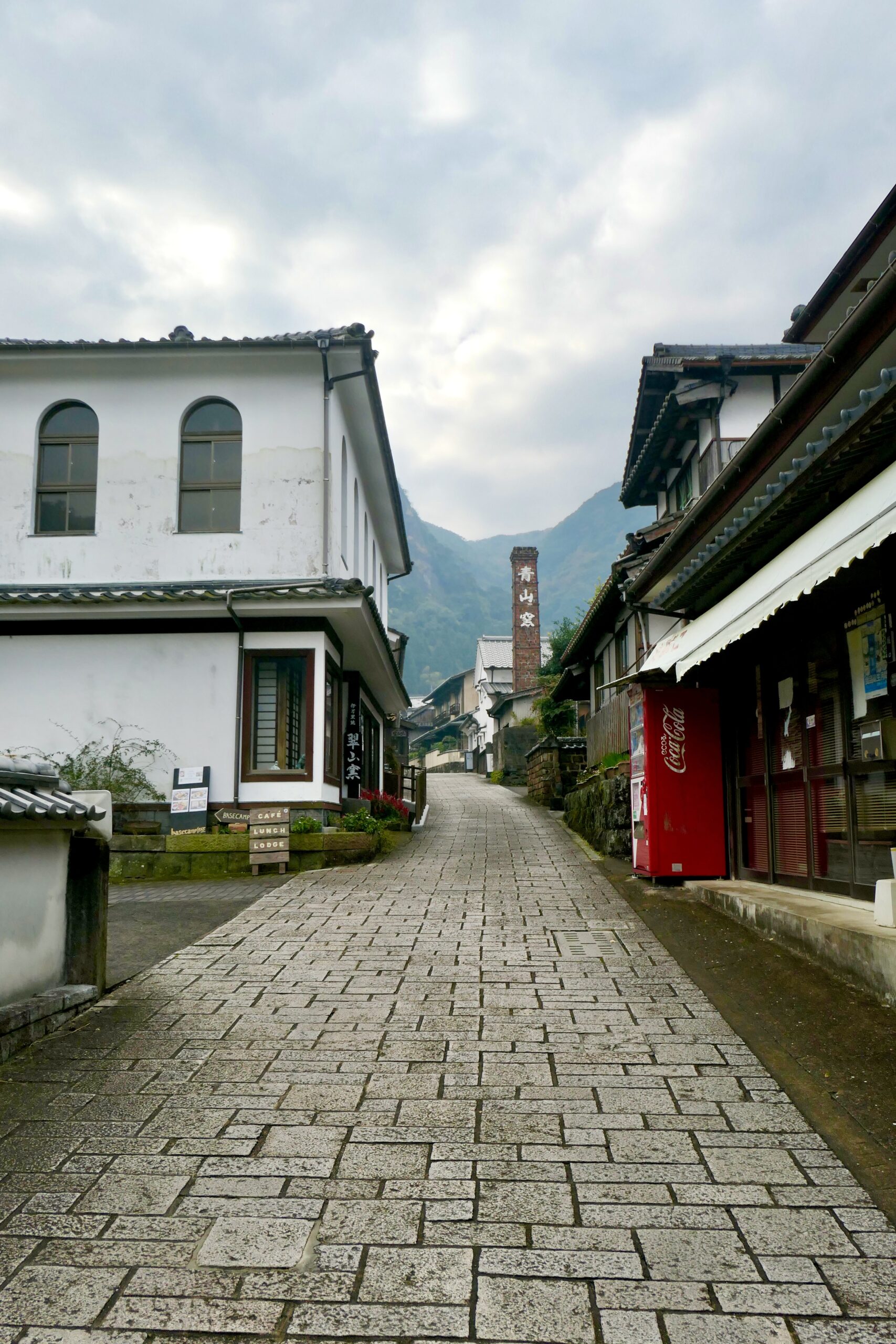
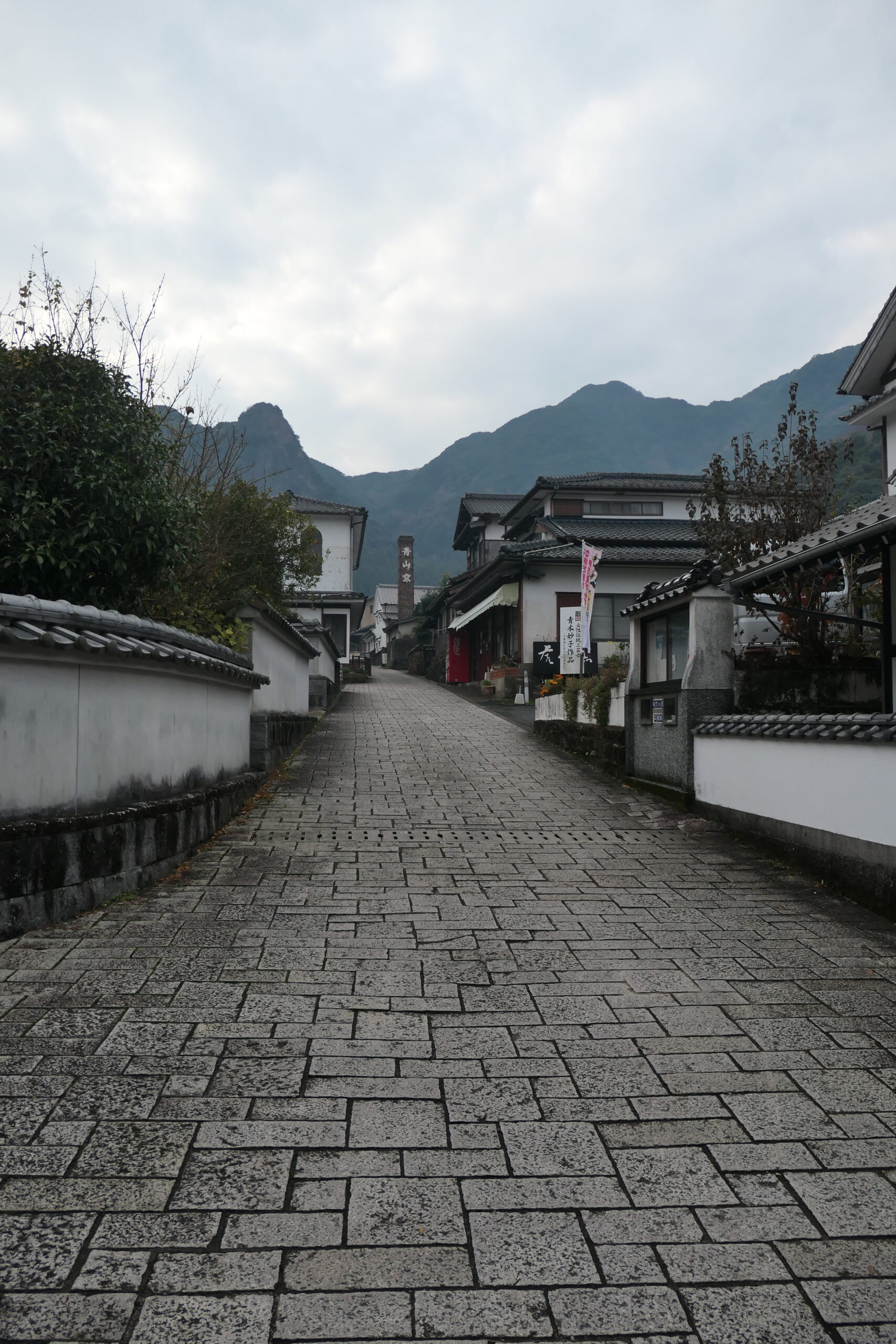
I am glad I visited in December. The weather was perfect, misty and cool and overcast. I imagine summer would have been miserable with all the climbing up and down hills. Okawachiyama is, as the name states, at a river tucked deep into the mountains.
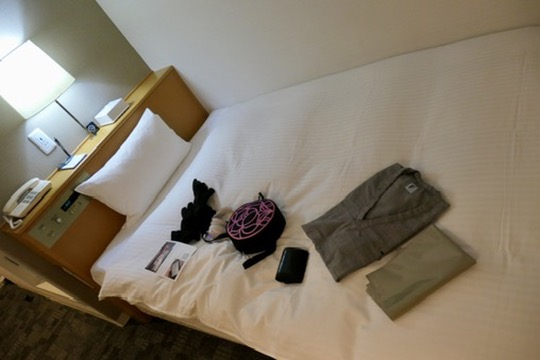
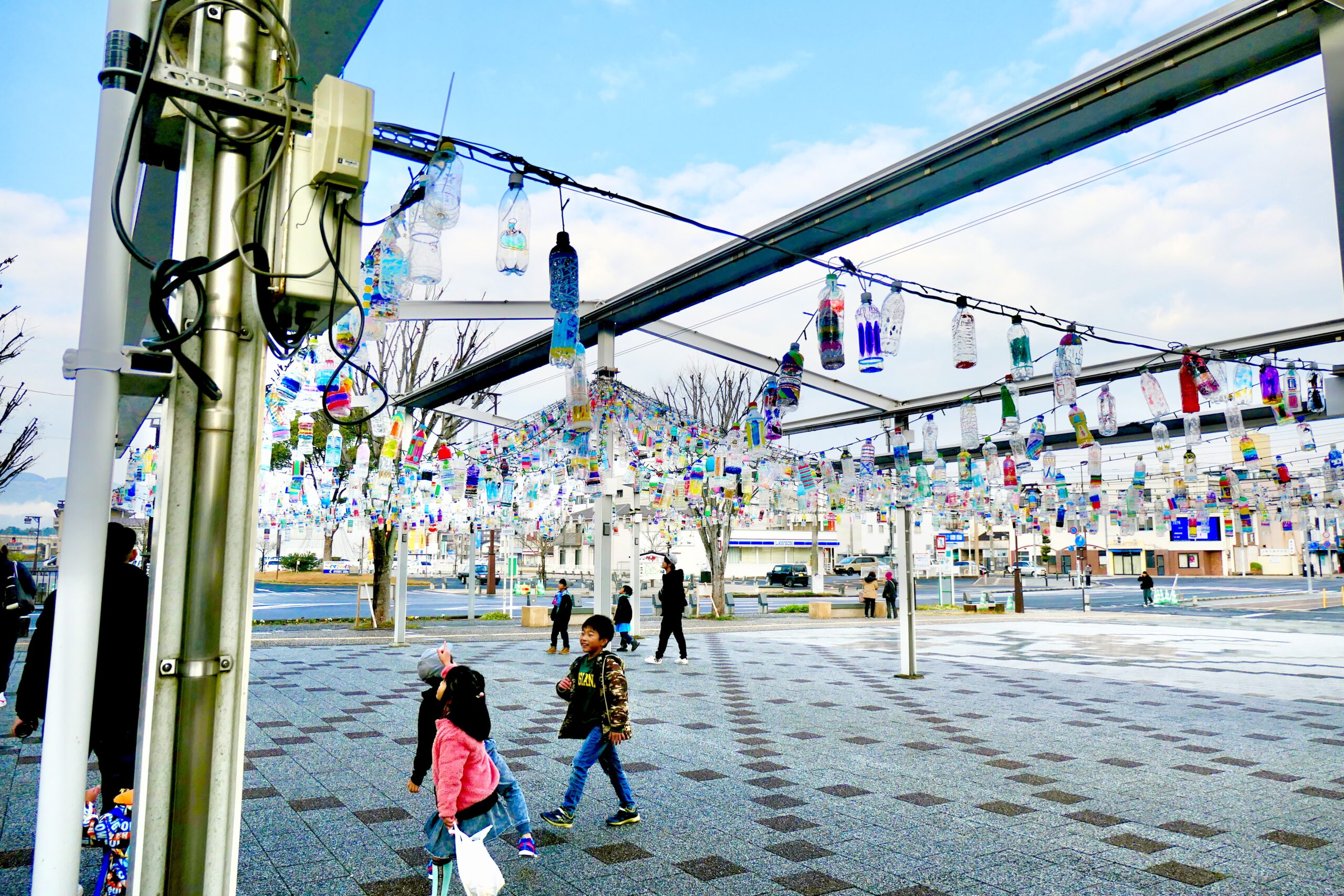
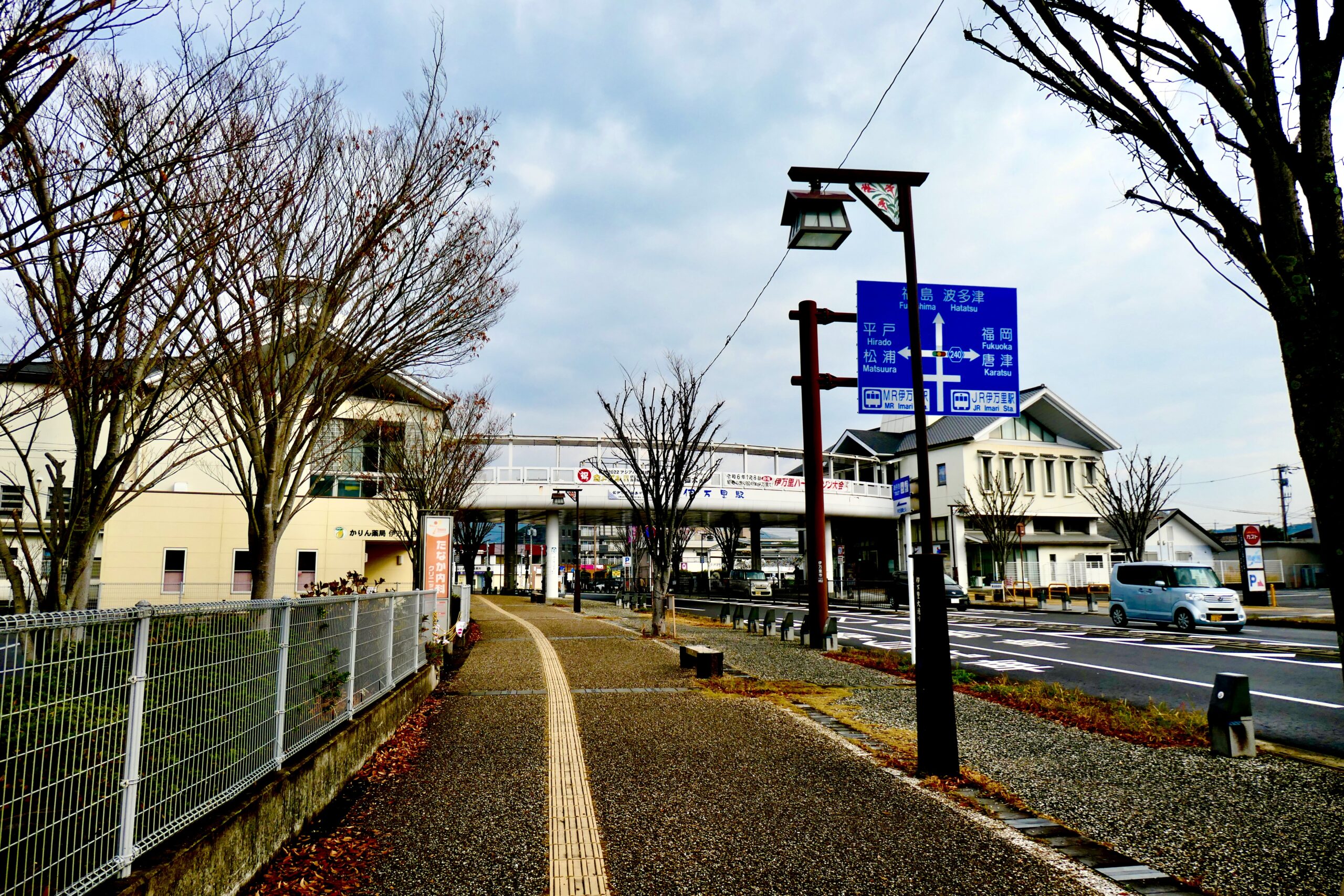
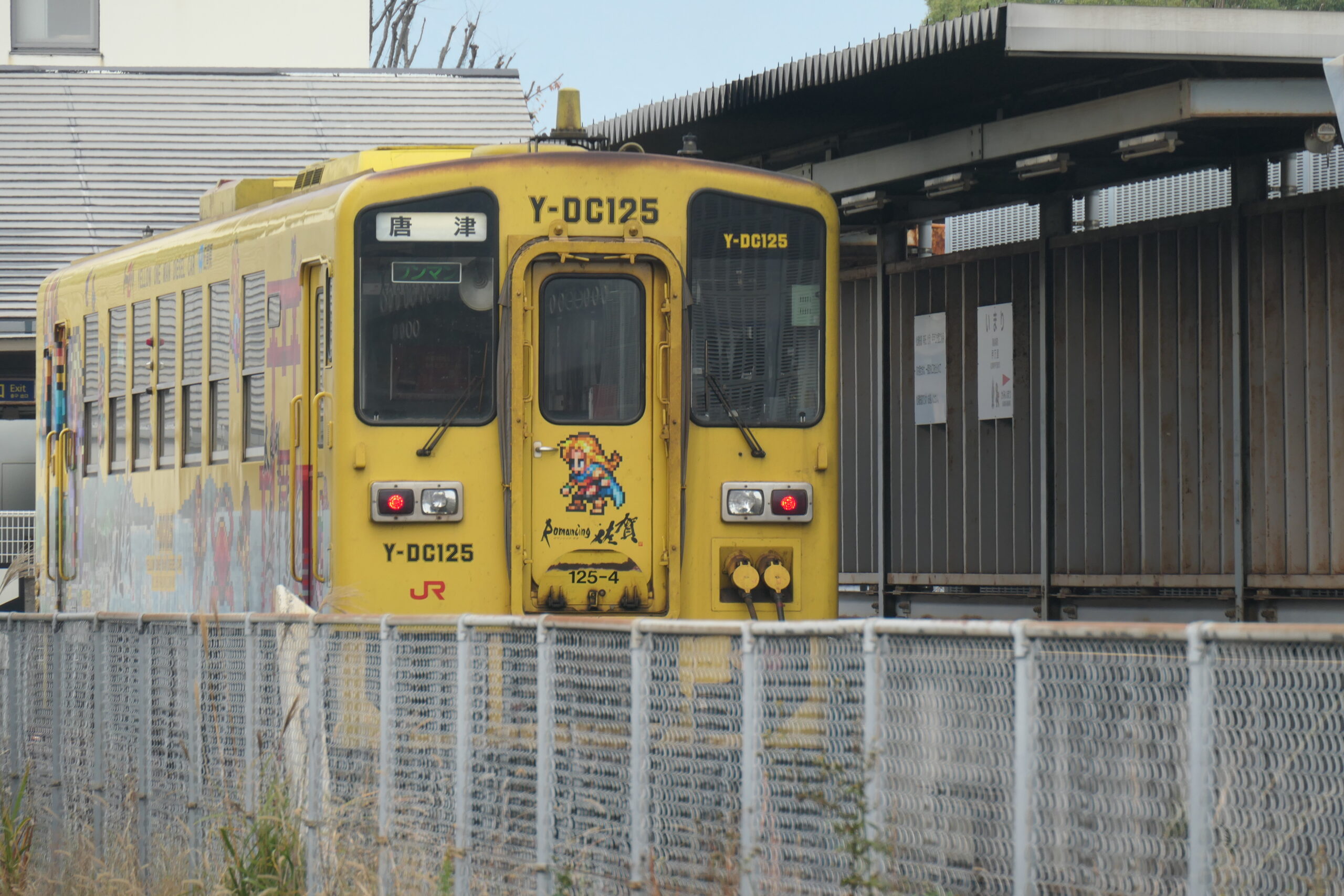
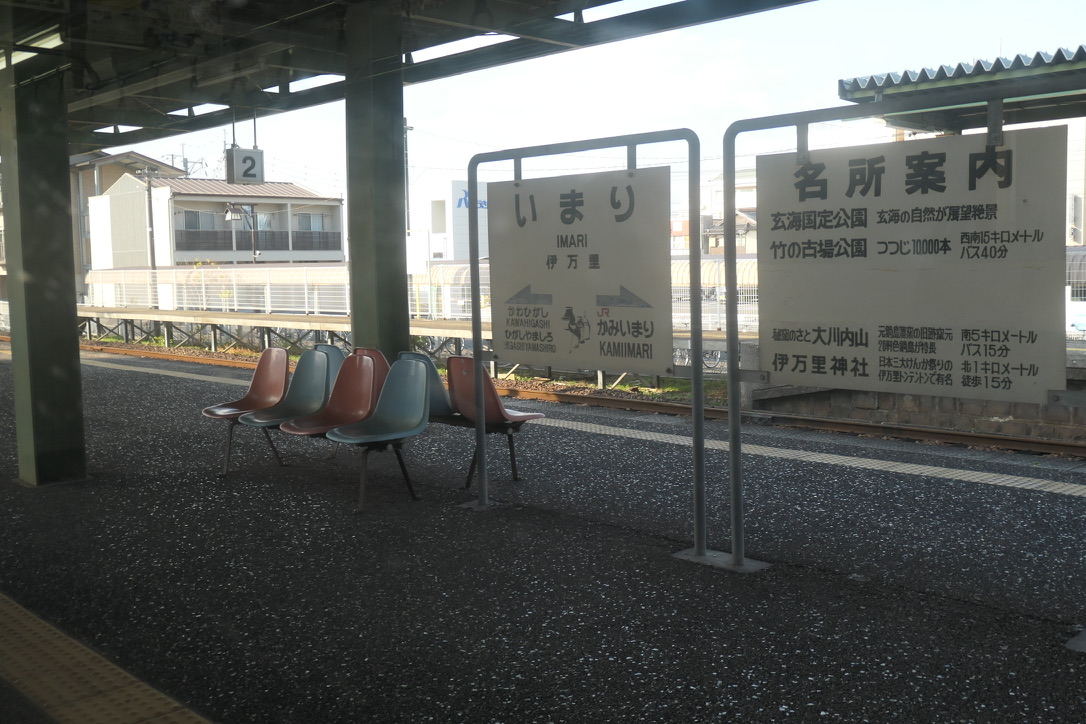
Stayed overnight in Imari (the town proper) and caught the bus from Imari Station up to the village. The (Romancing) Saga (II) train was in the train lot behind the hotel.
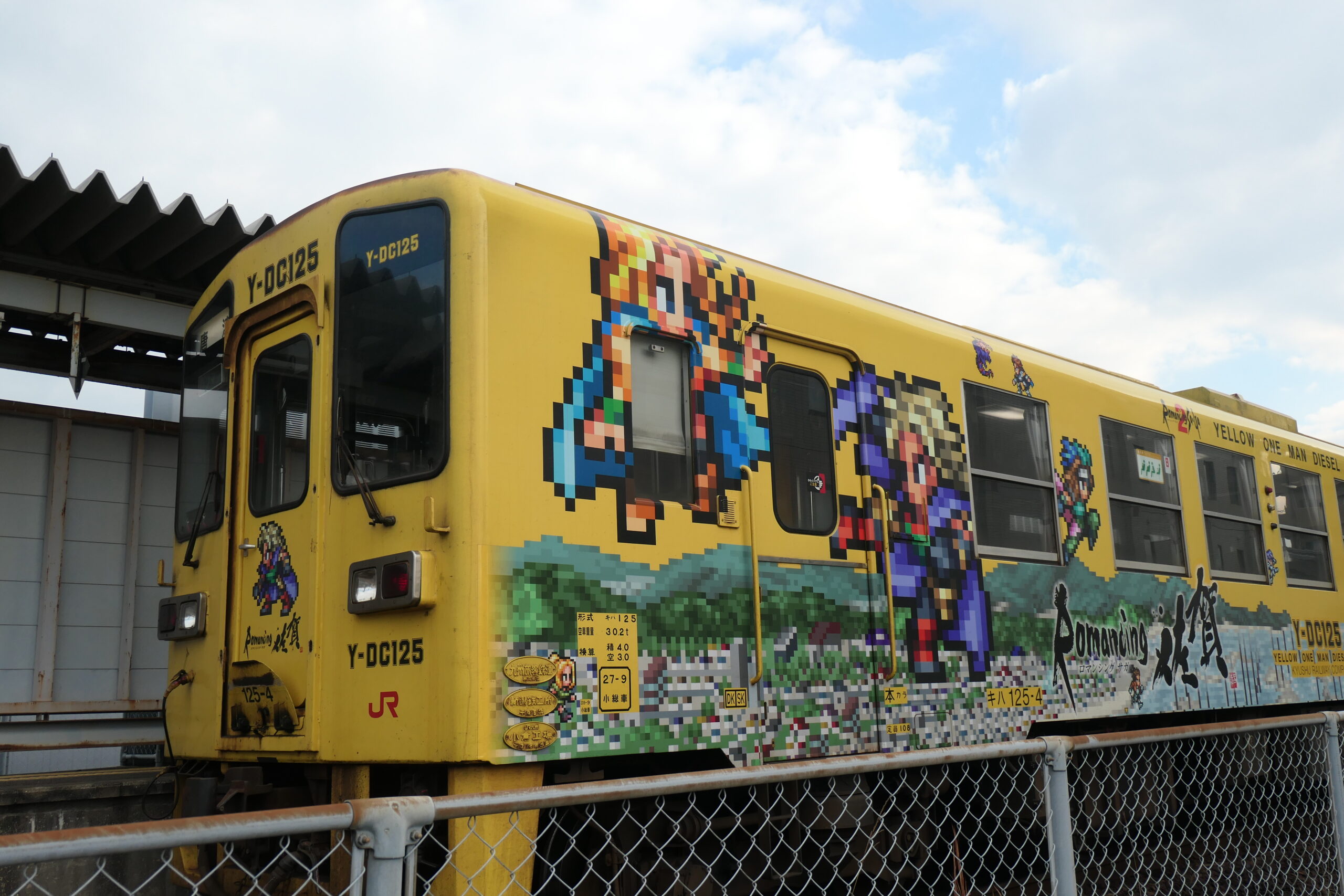
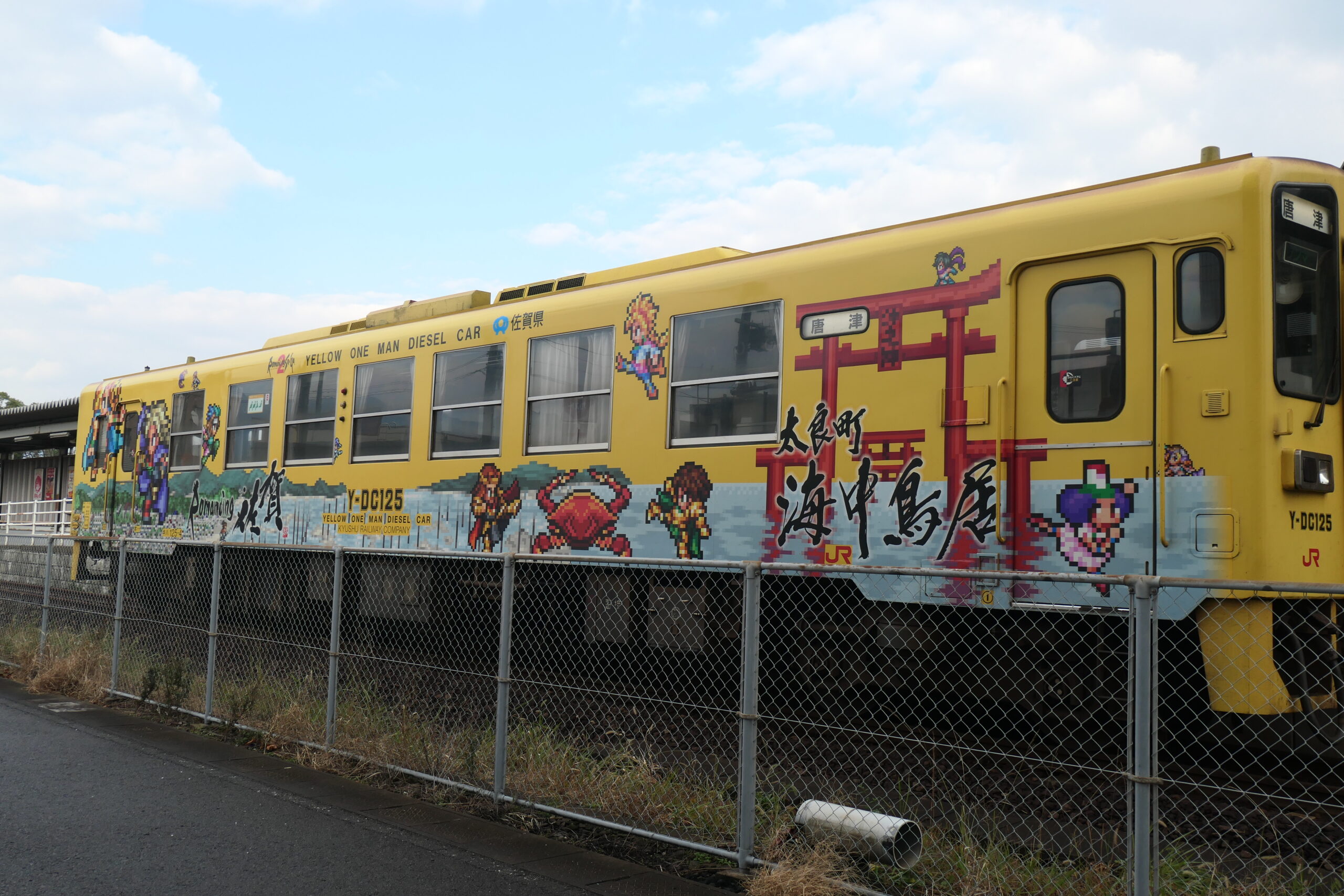
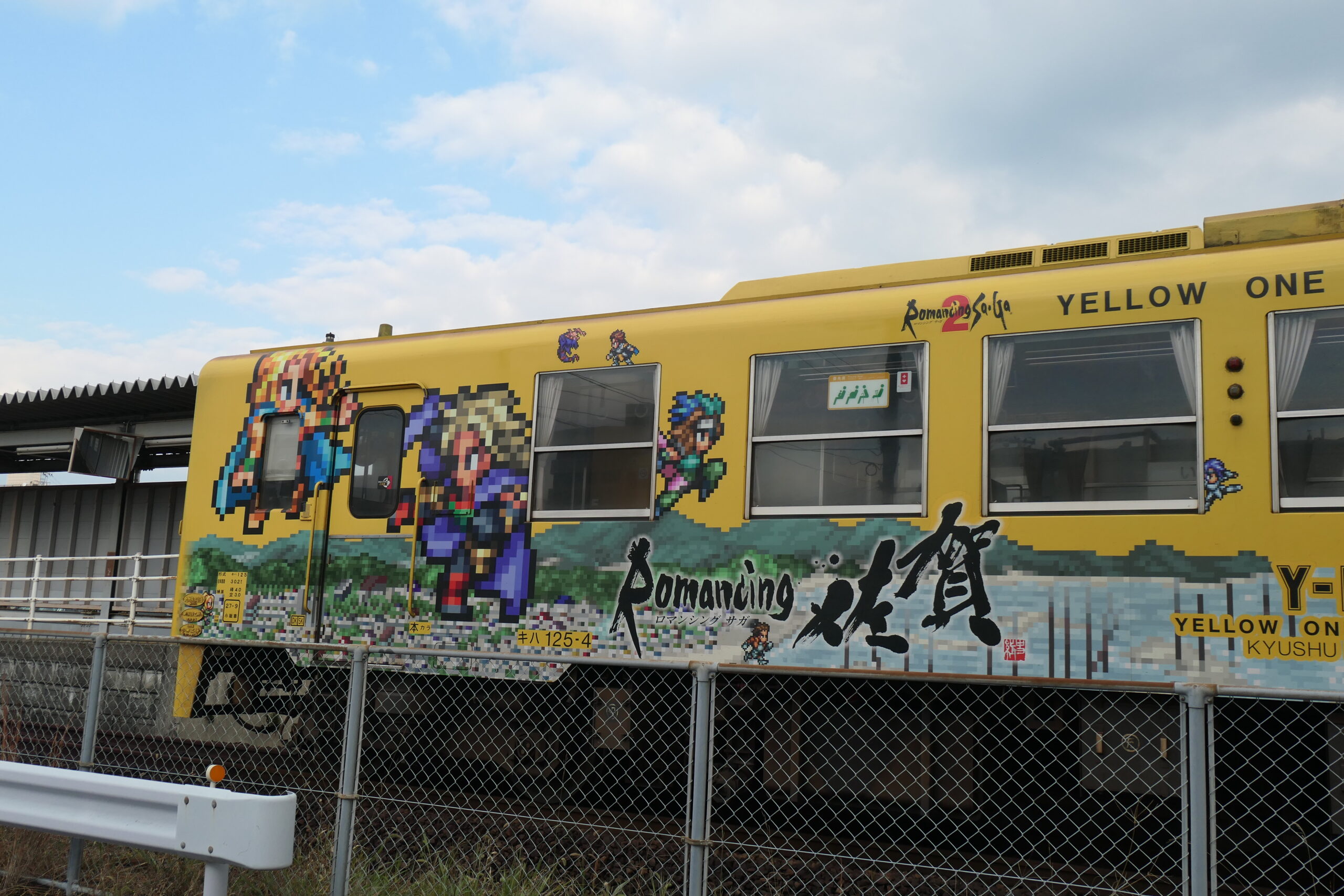
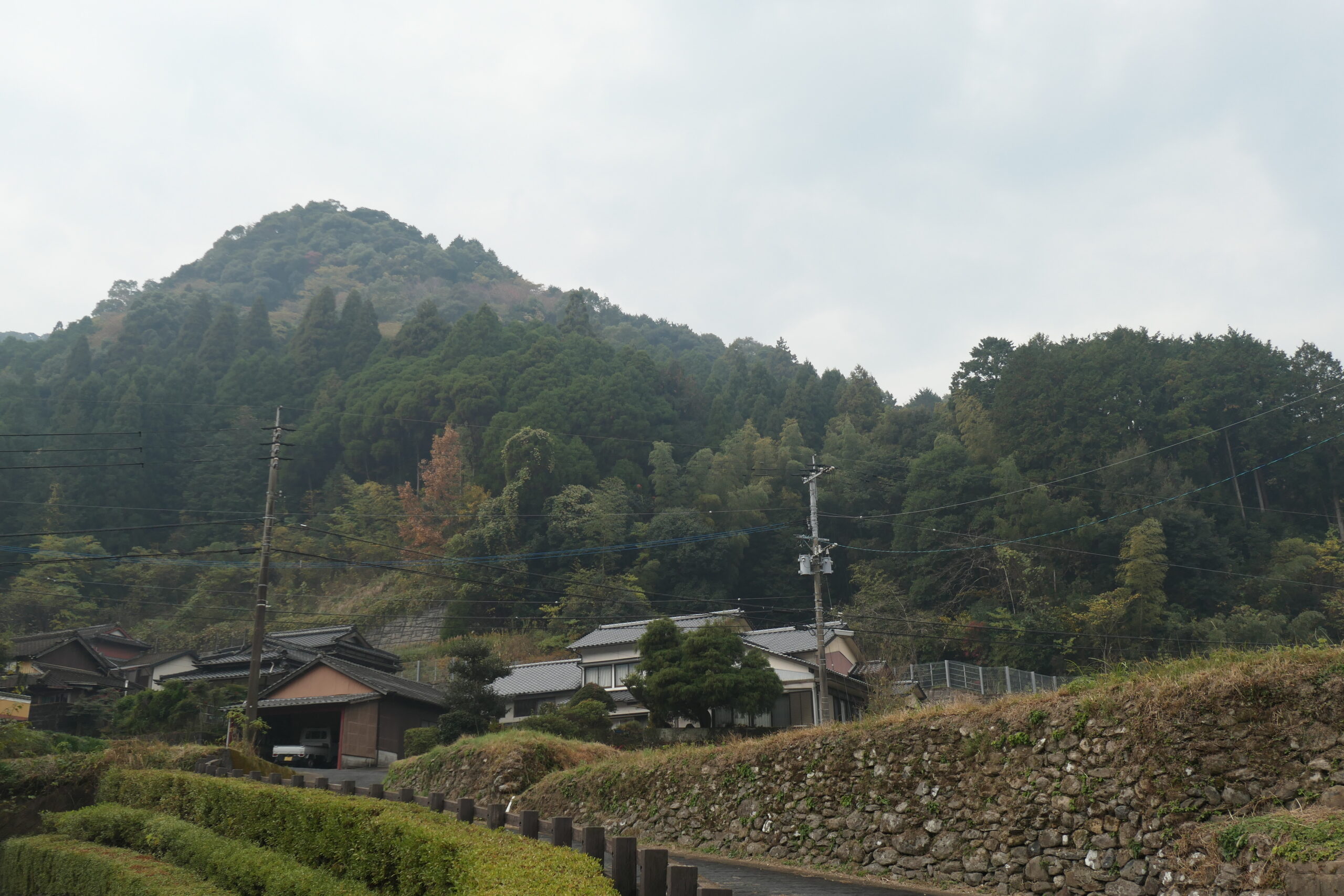
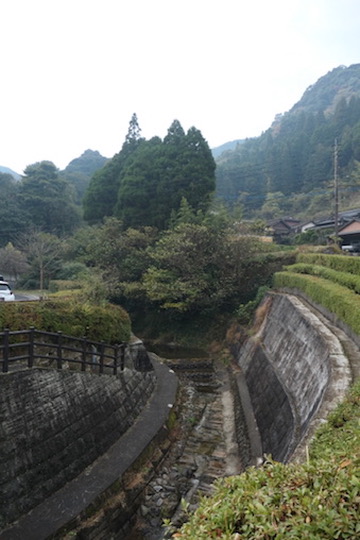
It is still truly a small town – a bus stop with huge lot for tour busses, visitor’s center, another visitor’s center, and two (sort of) cafes. The bus does a dropoff/pickup round once every two hours. It is, as expected, leaning into its fame (pottery) with public infrastructure design.
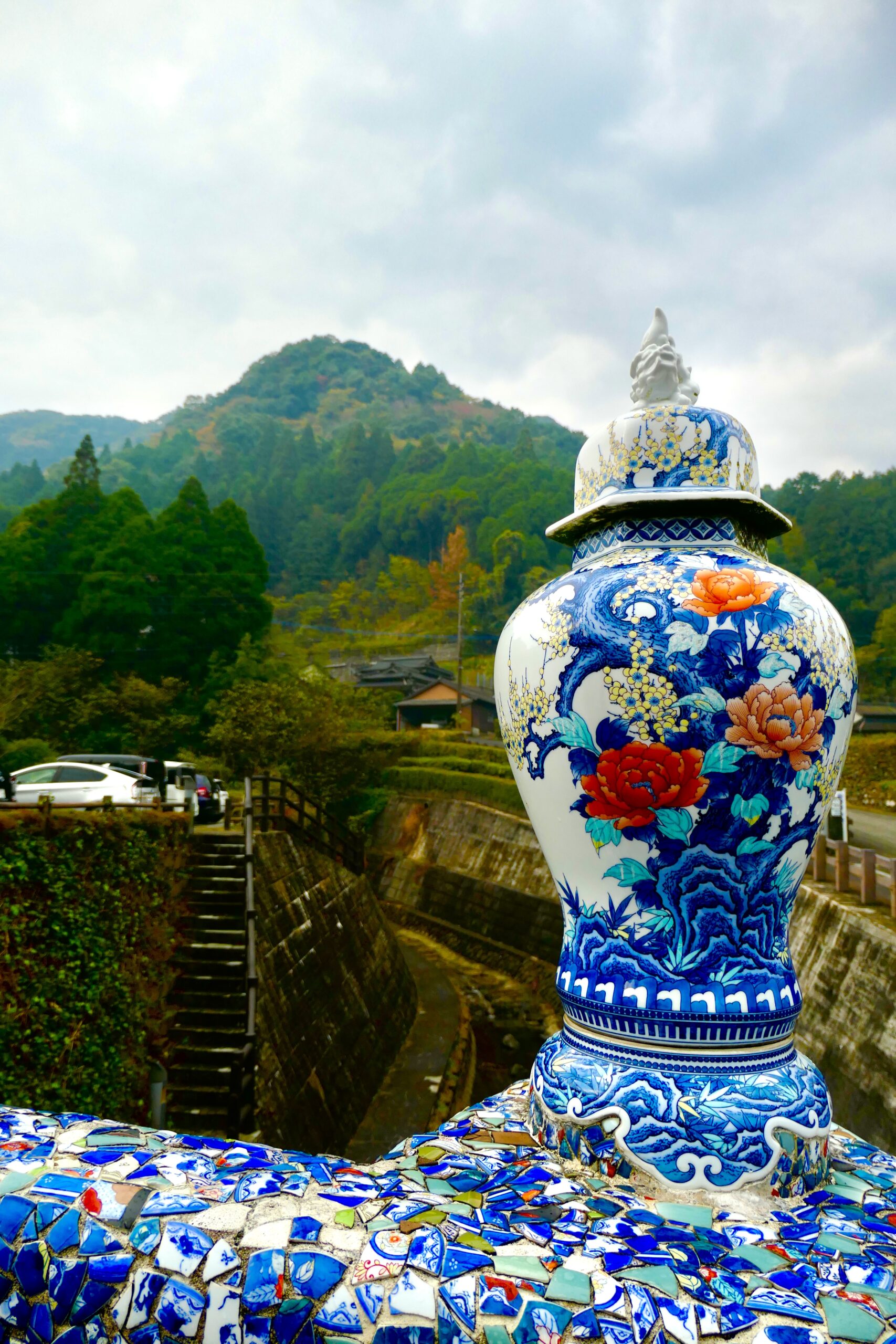
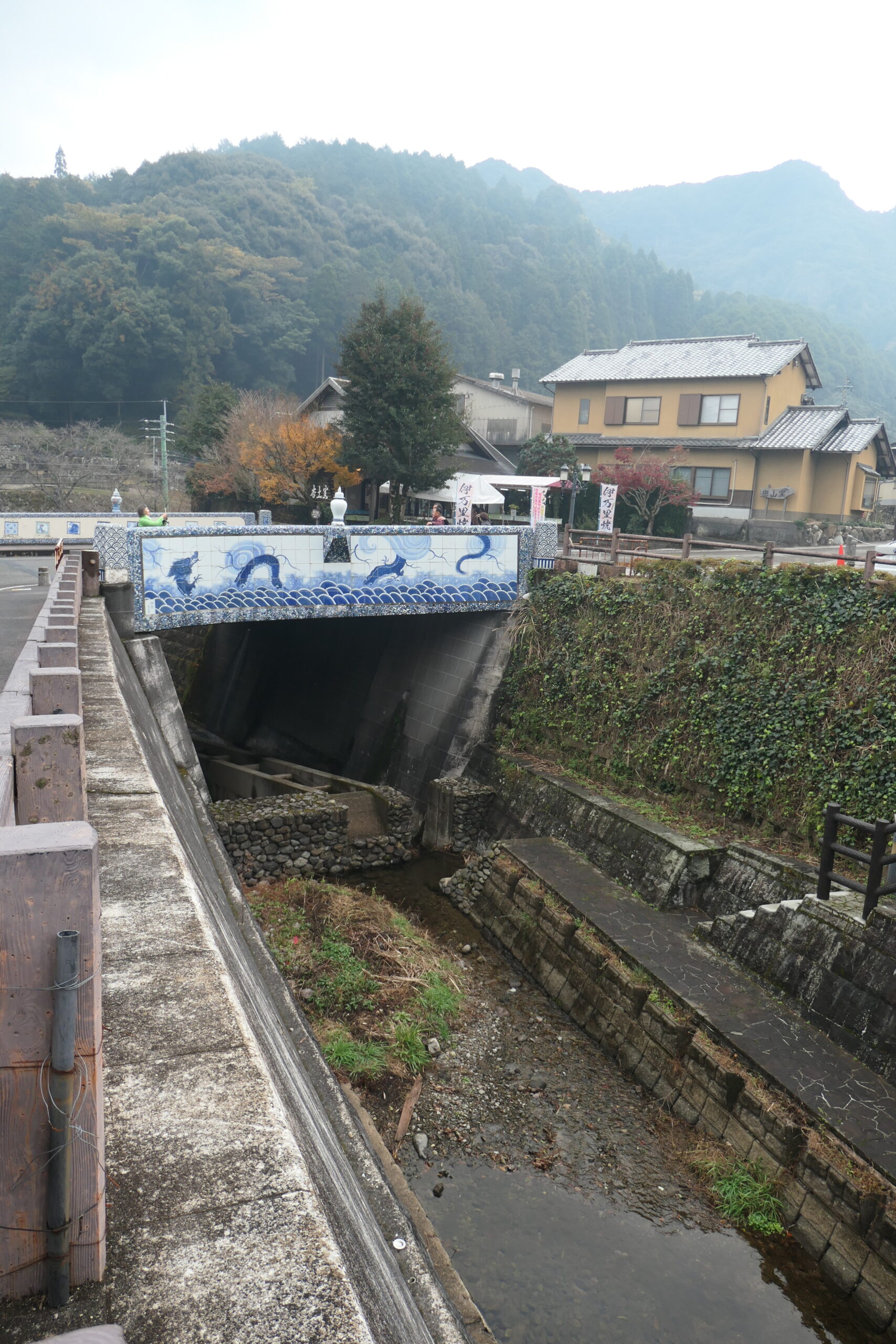
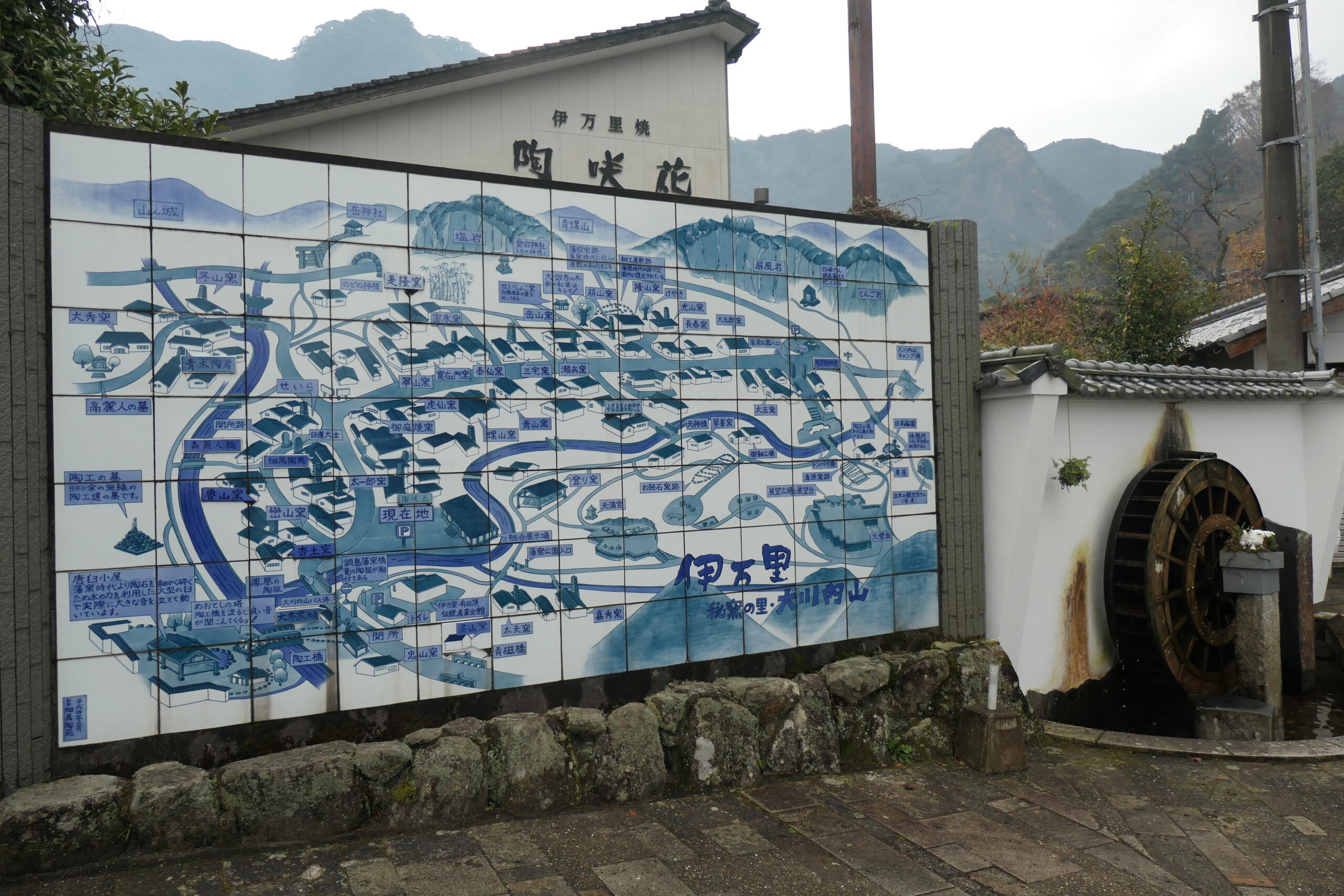
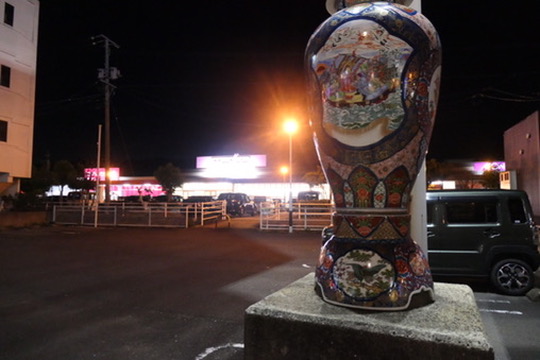
This main bridge into town is the most striking but not the only example. The town map is also in ceramic.
I had my full backpack, which got old rather quickly for climbing and being in small shops with valuable, breakable things.I went back to the visitor’s center to ask if there were lockers or the like, and the clerk offered to keep my bag behind the counter. Much unburdened, I explored the town and poked around several shops.
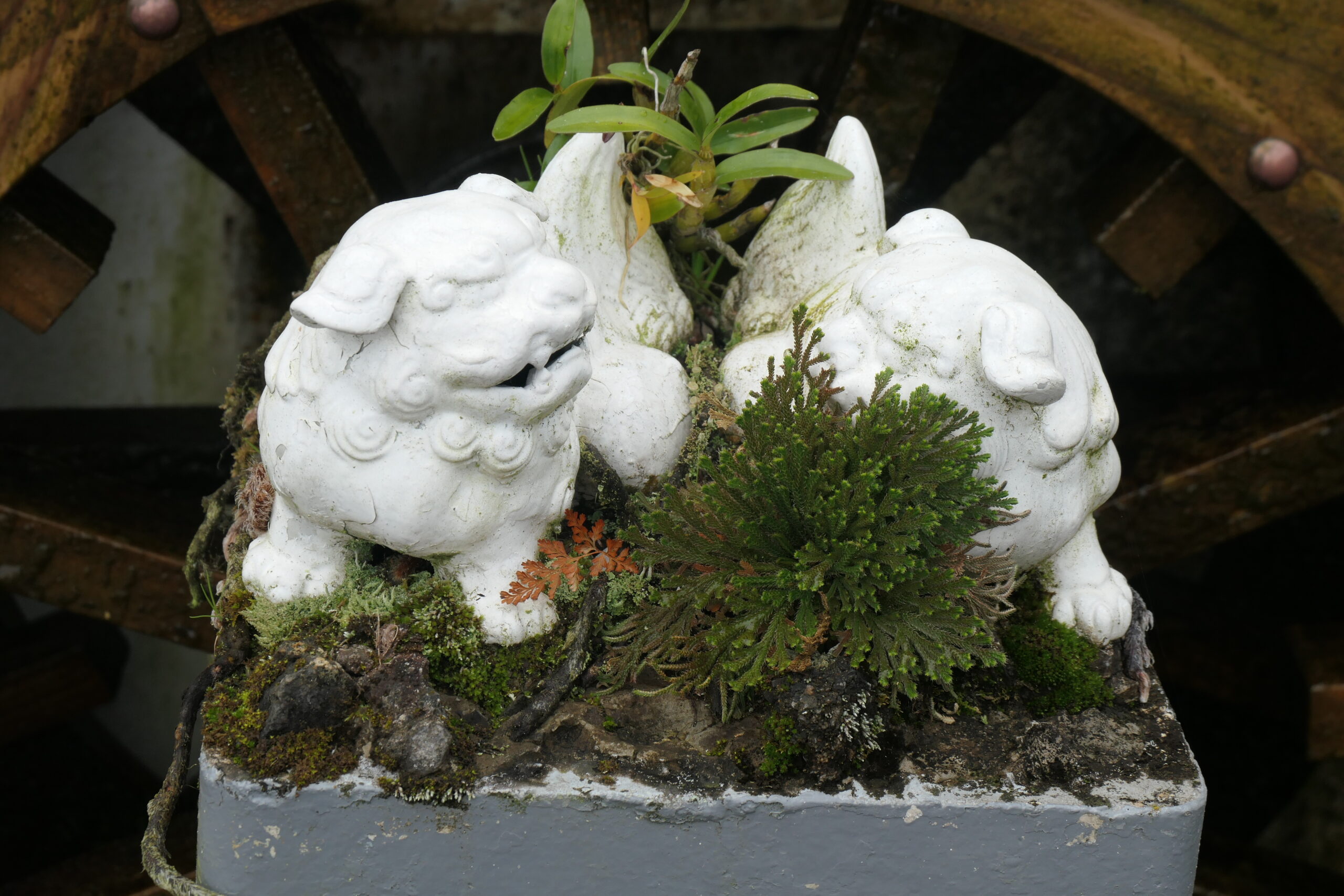
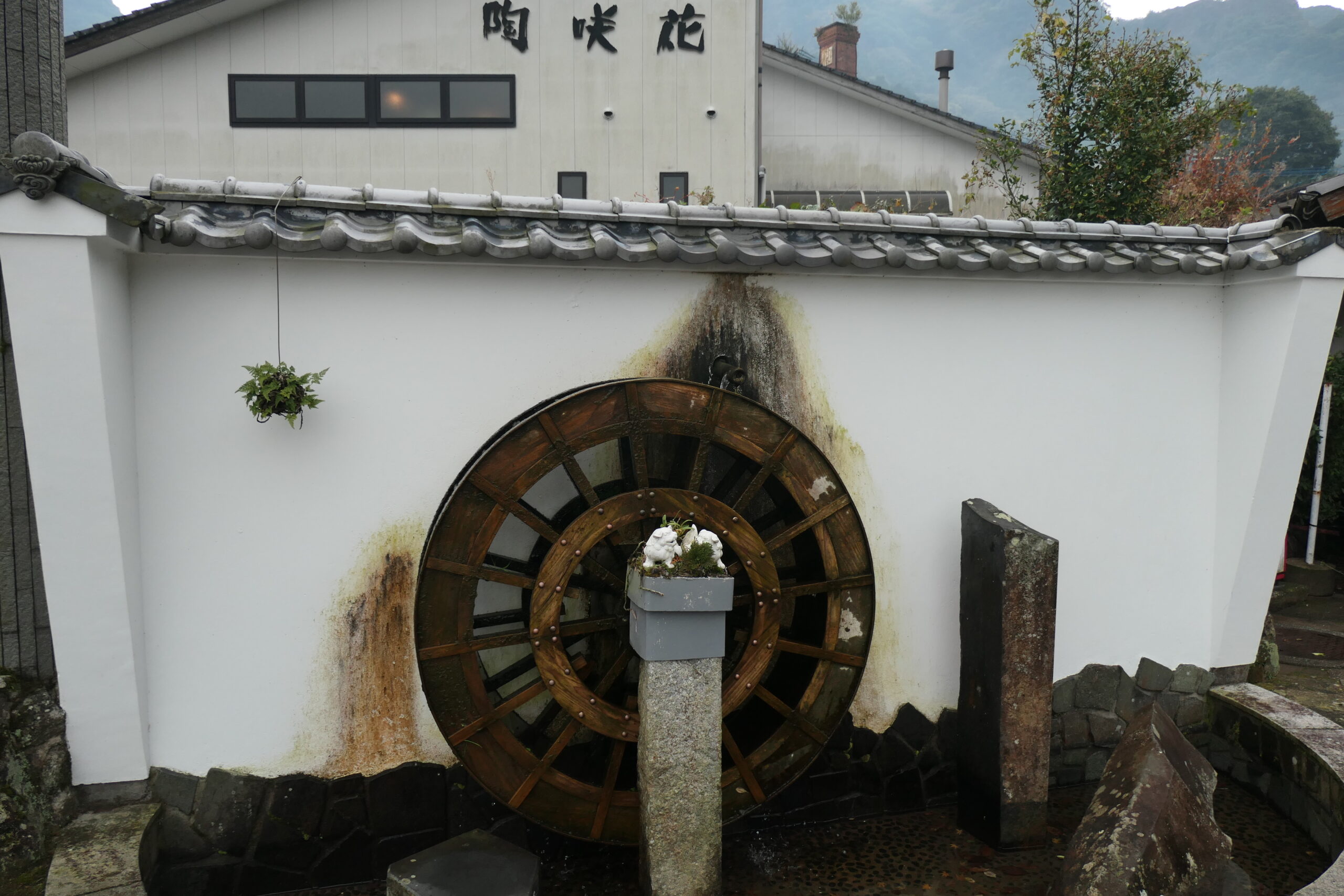
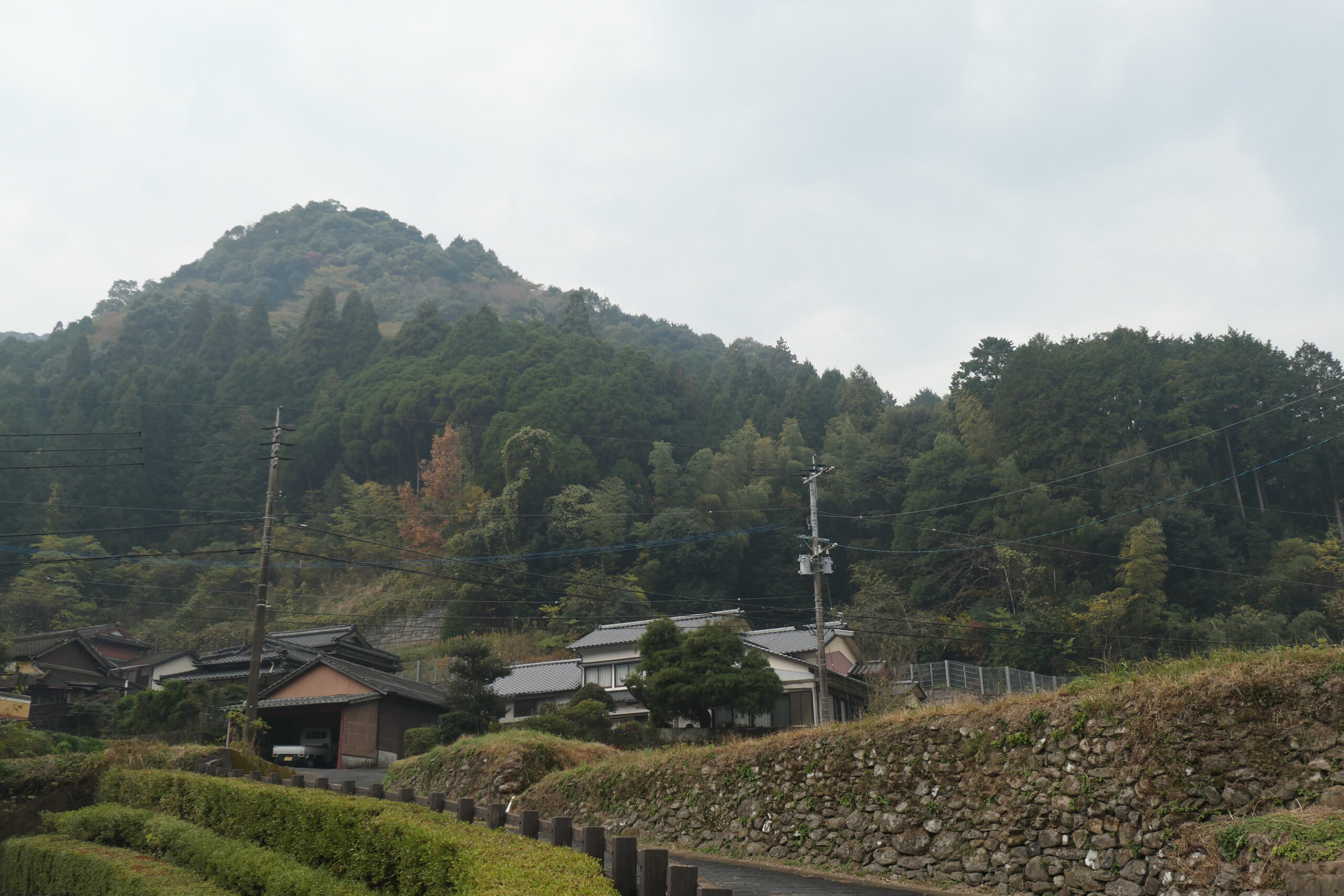
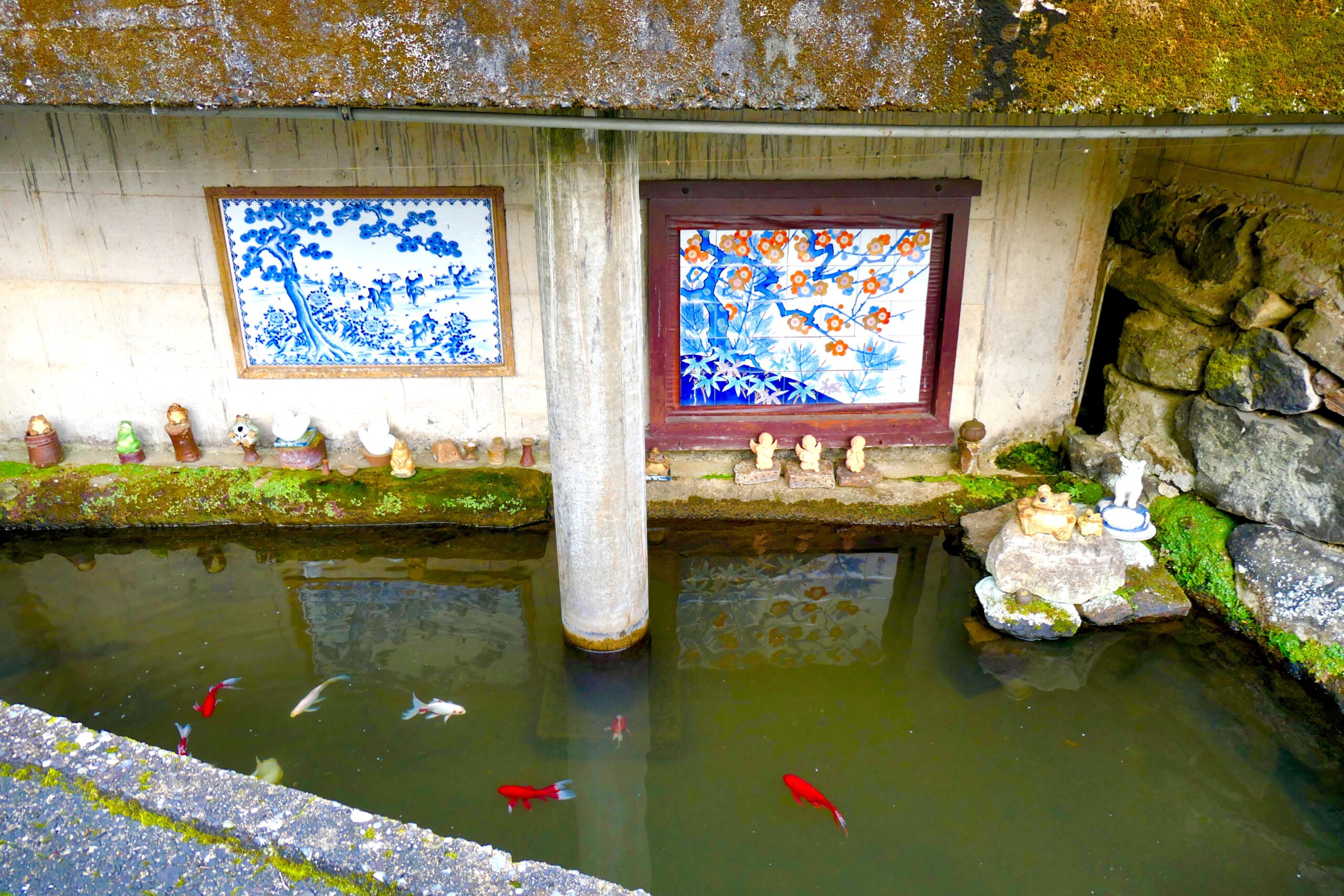
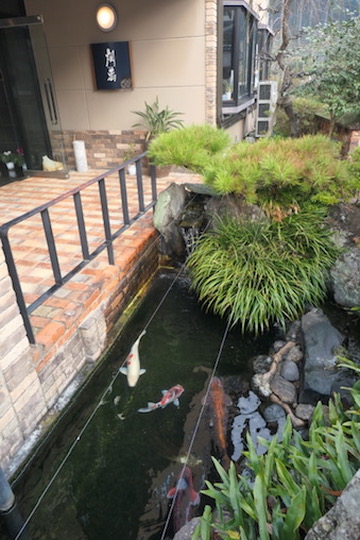
Touches of ceramic are everywhere, in public and on private properties.
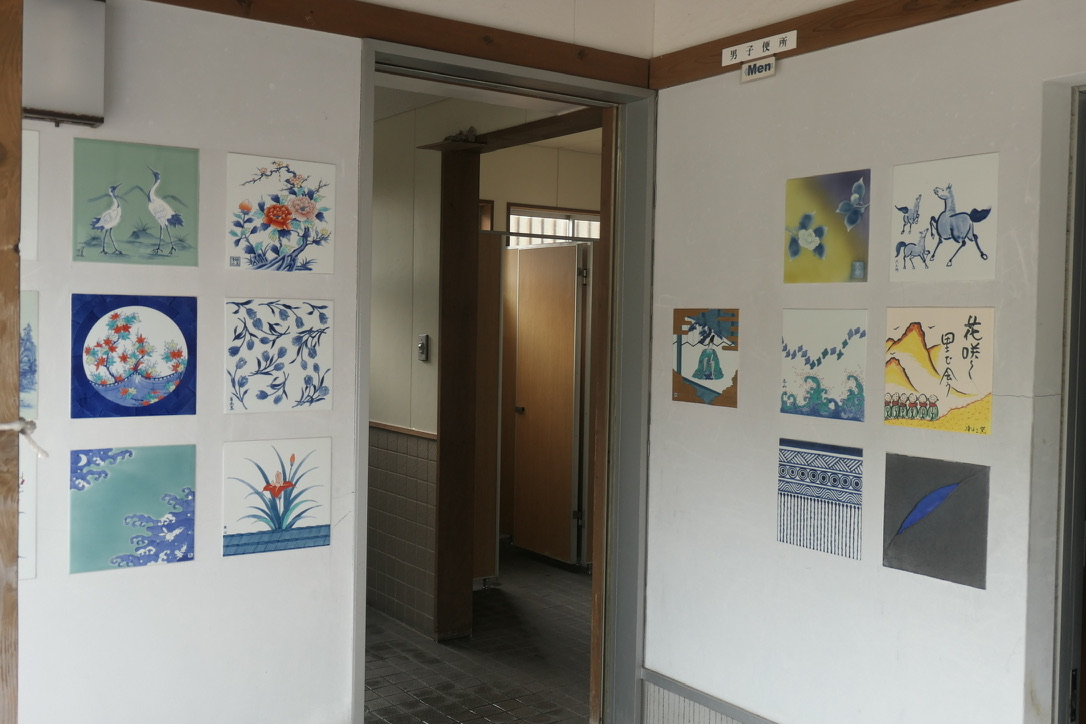
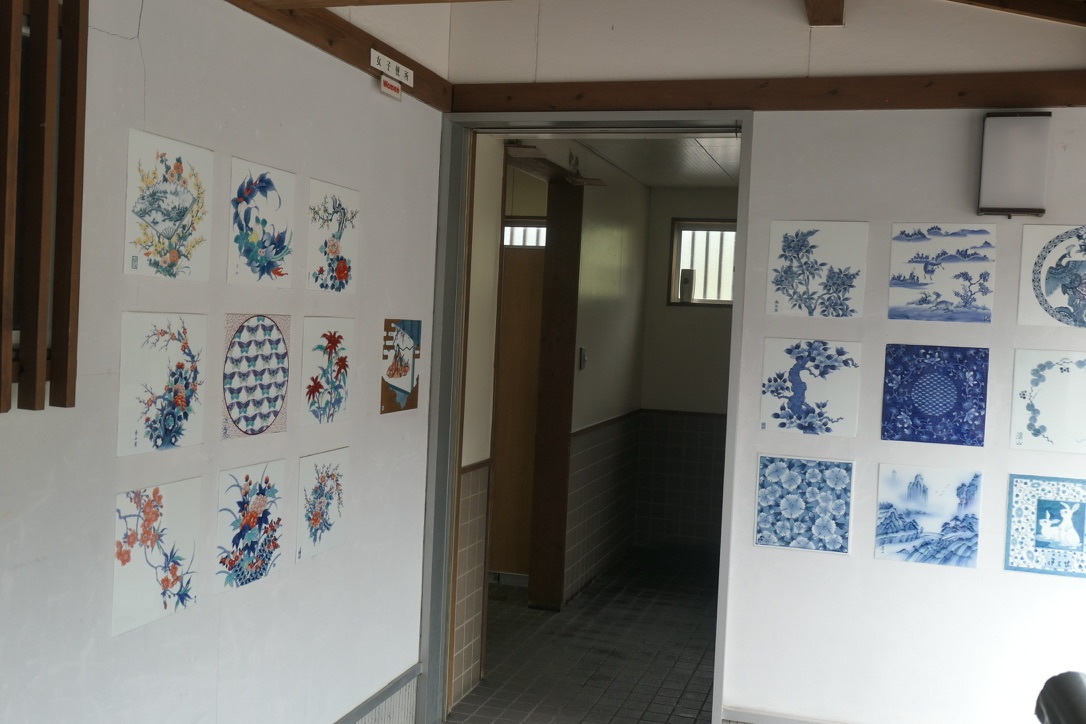
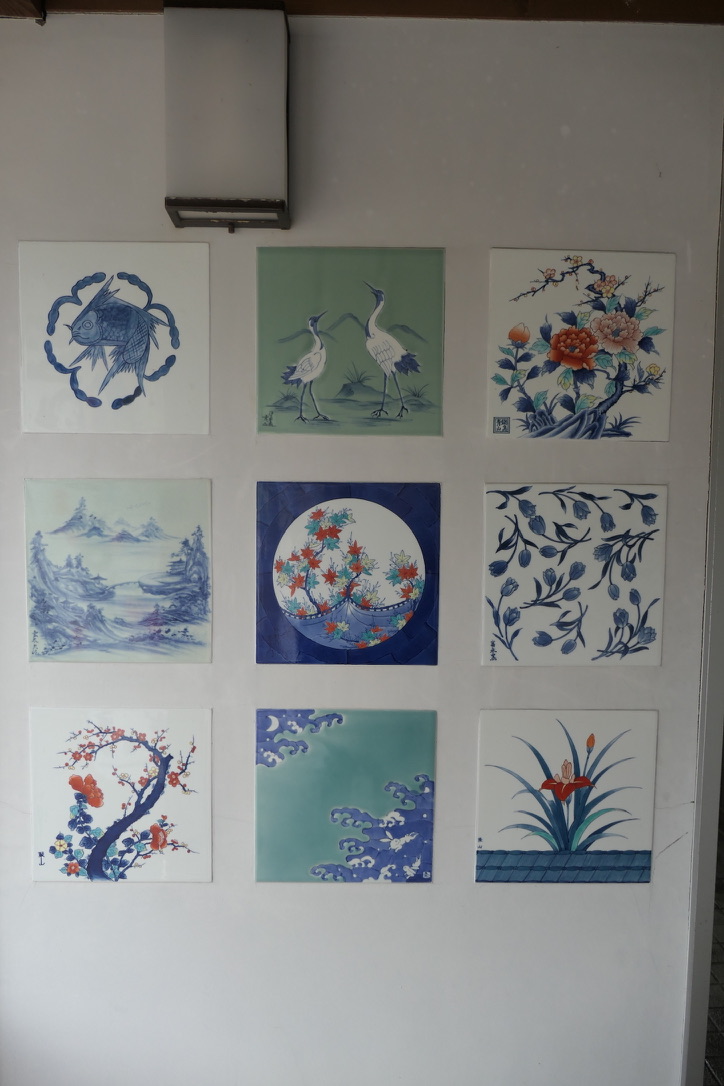
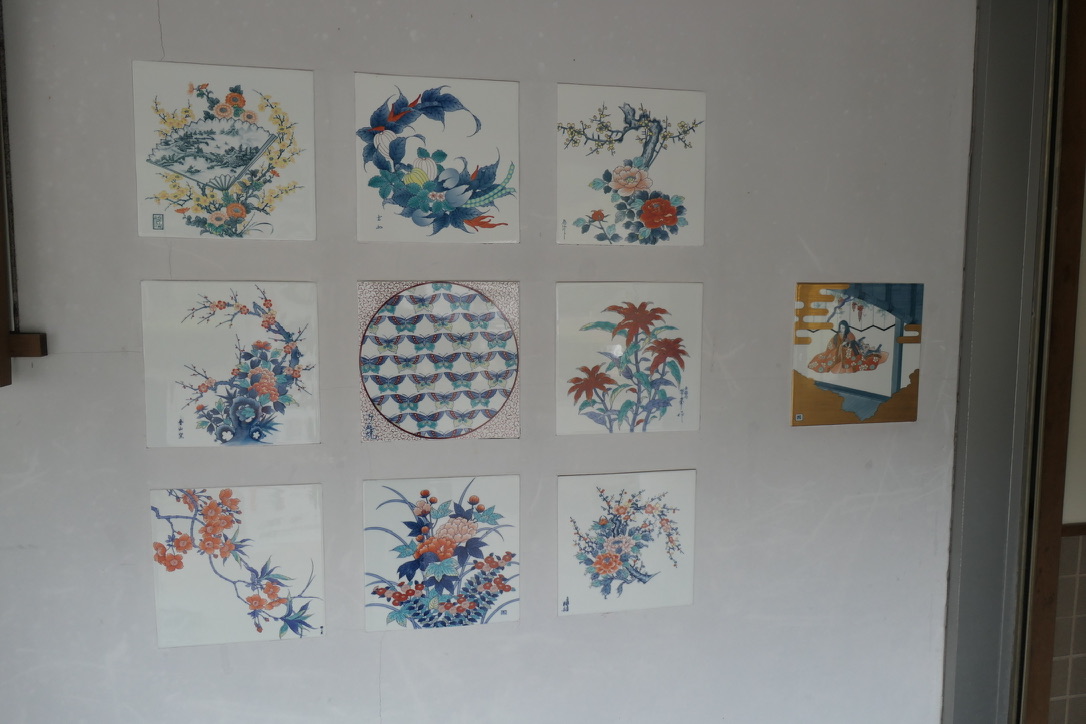
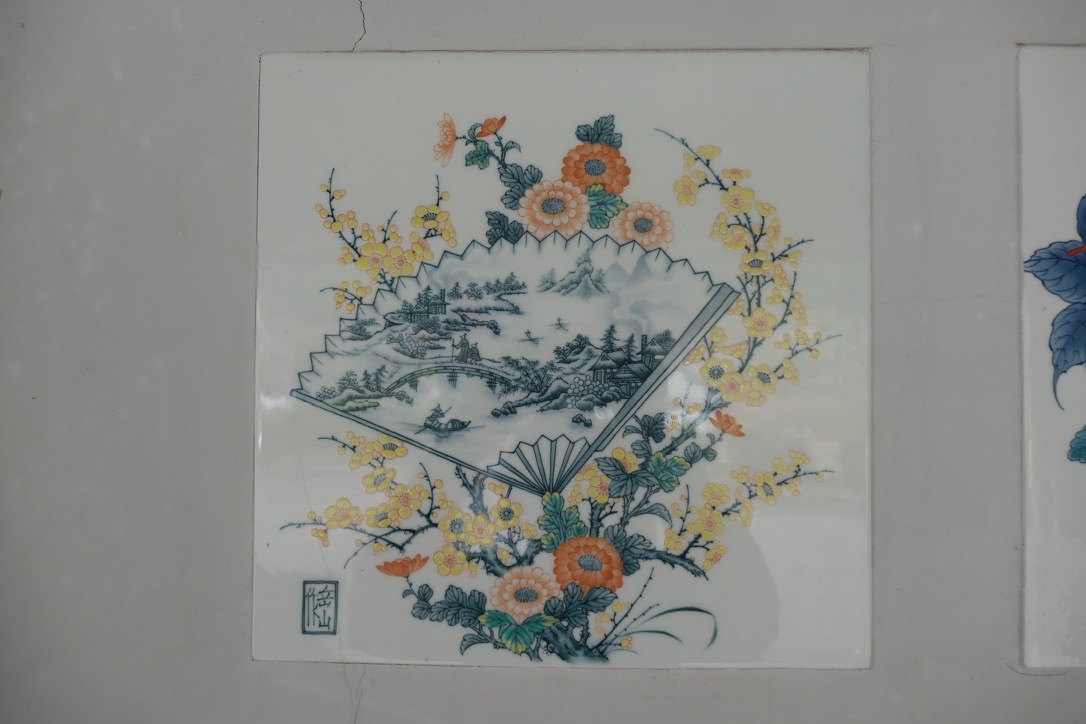
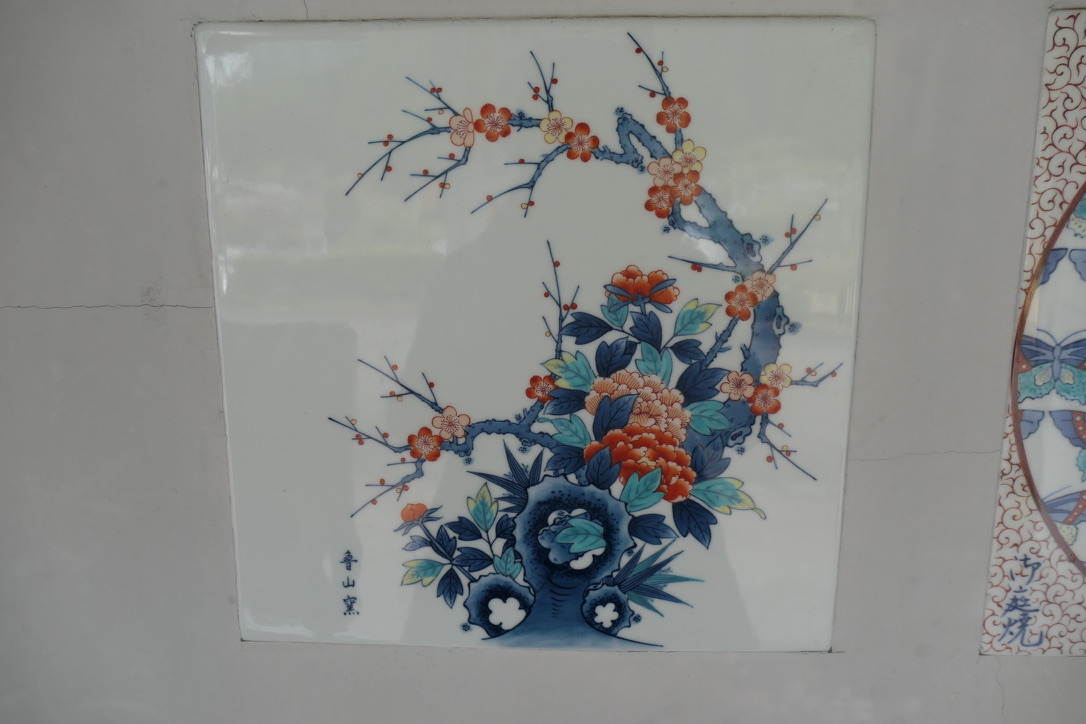
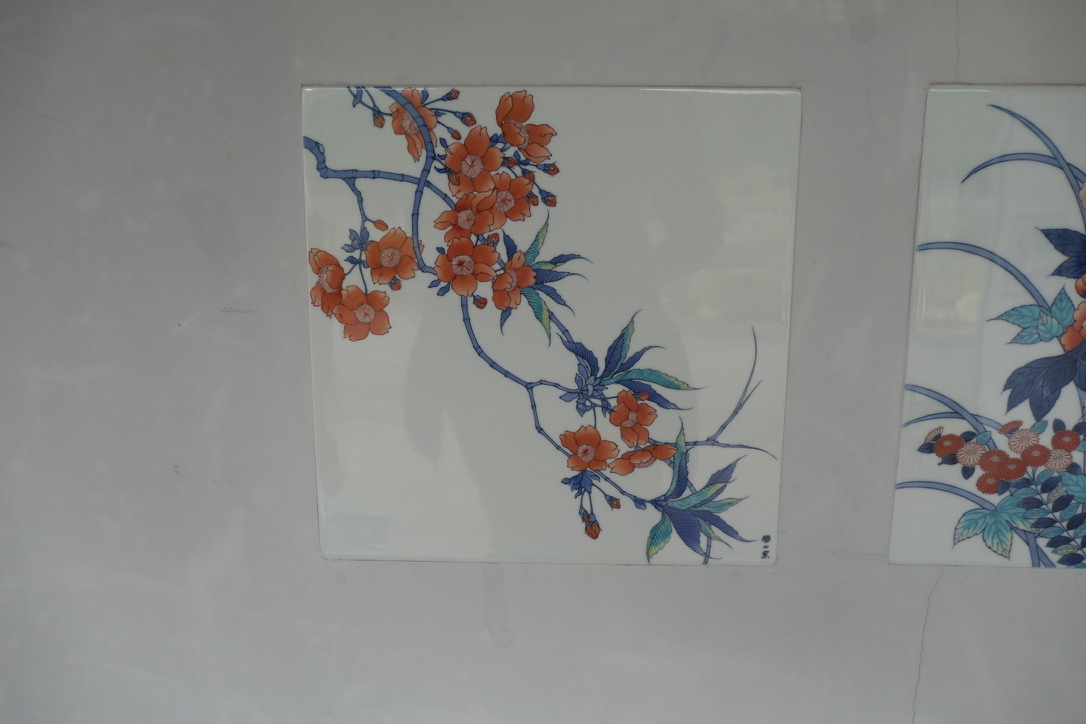
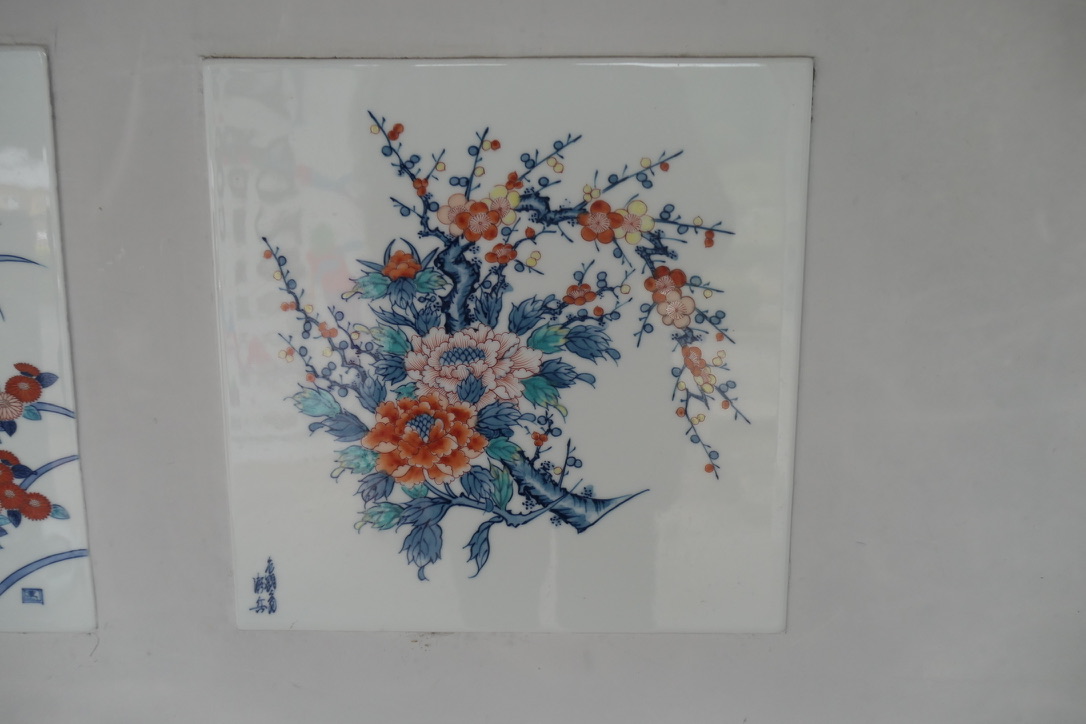
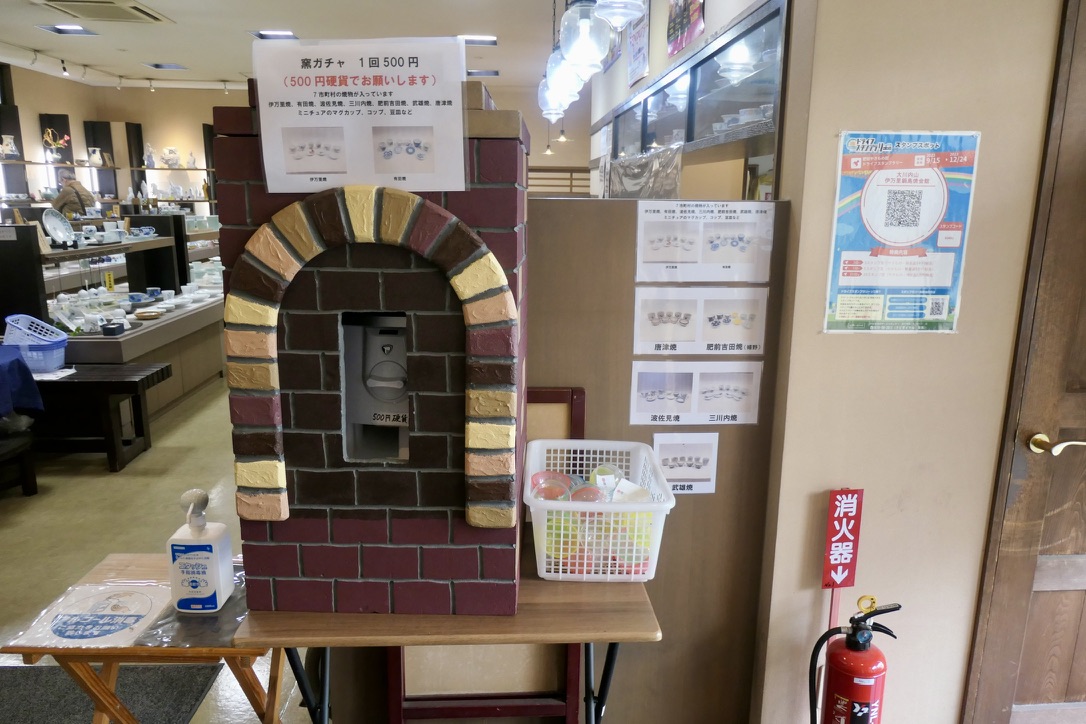
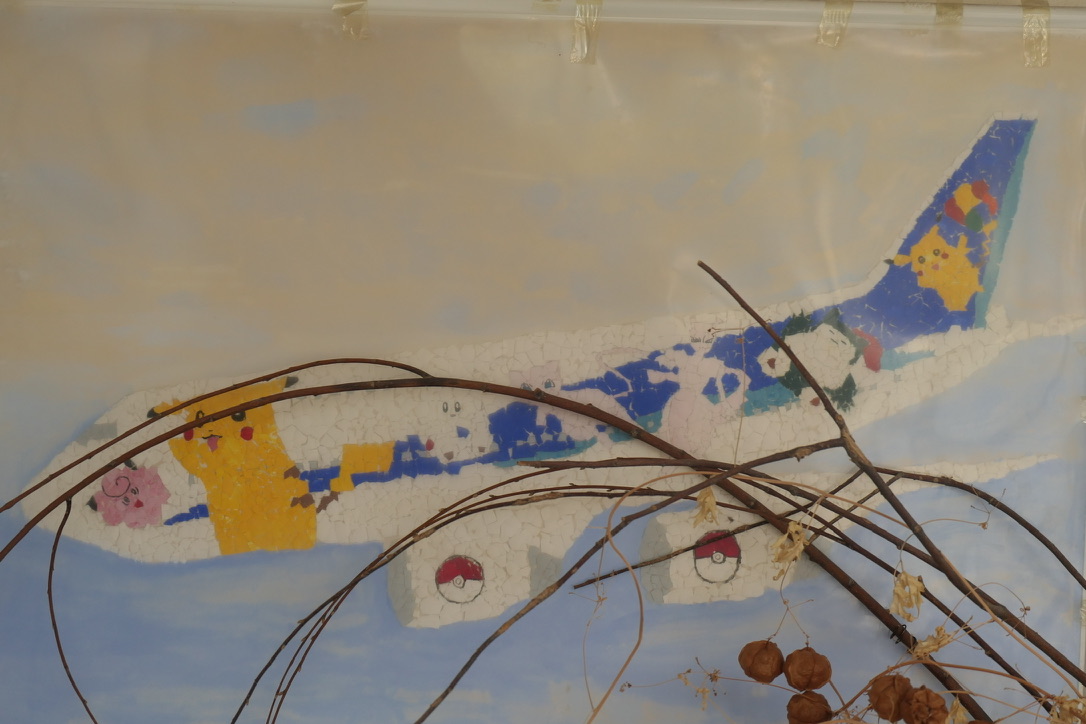
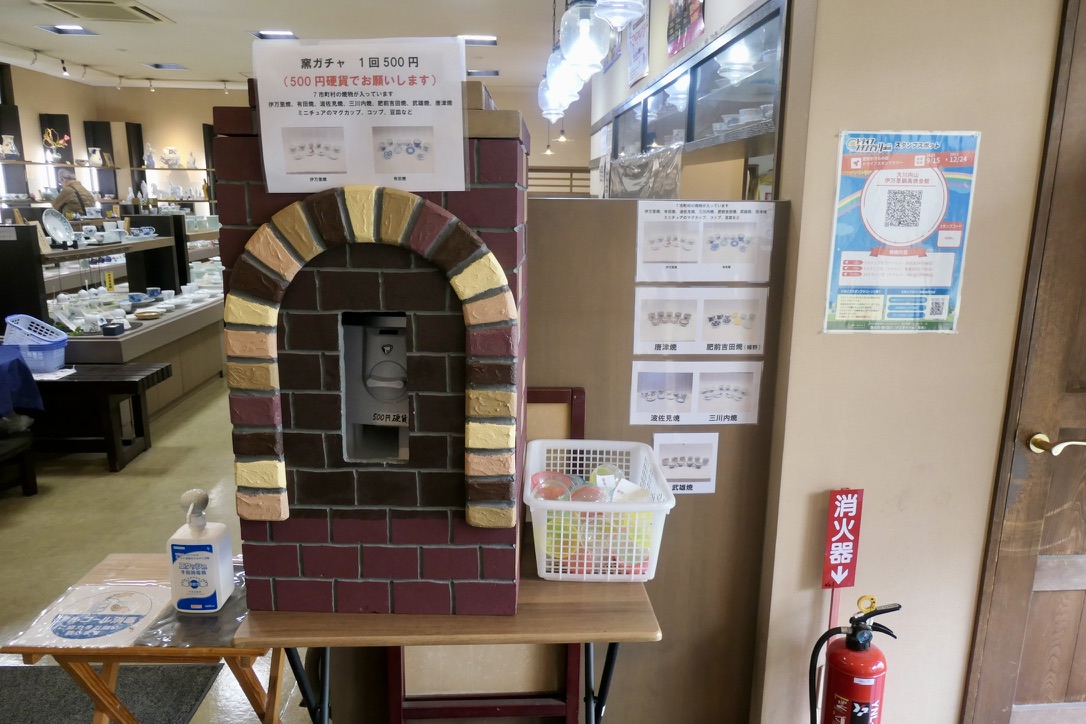
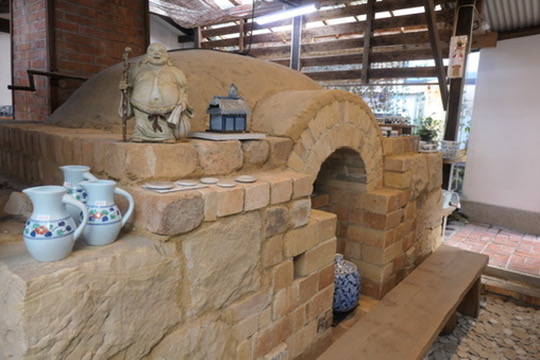
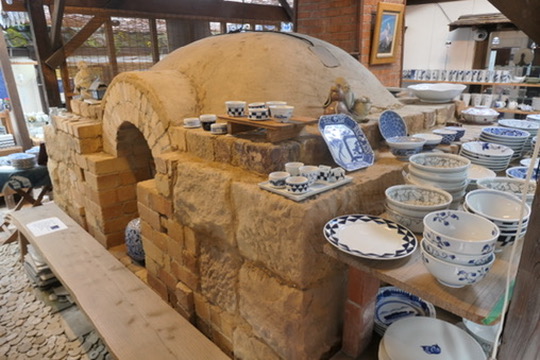
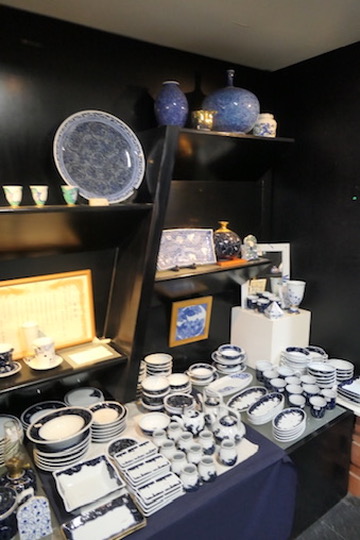
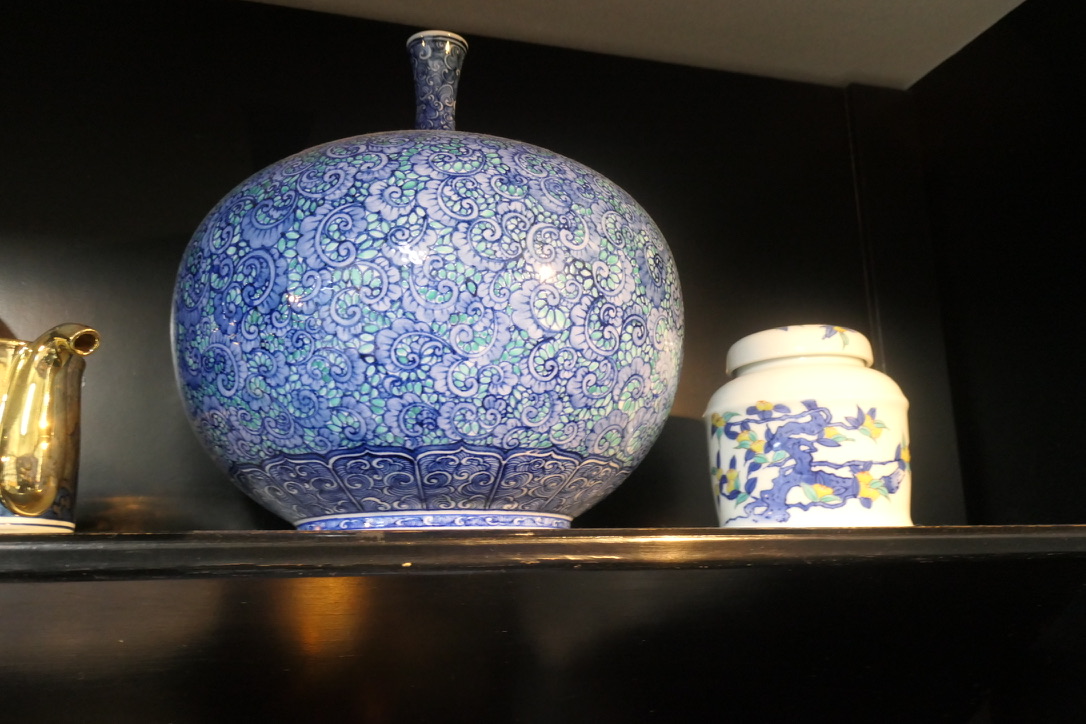
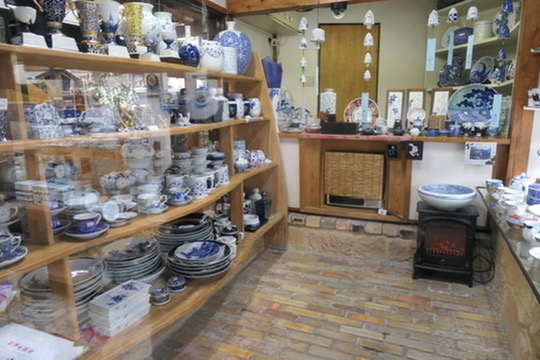
There are several ateliers that are clearly for the wealthy—they put out very few works, or, in one case, have a Japanese tearoom for private meetings with clients. At the ‘base’ of the mountain were the more bulk-producing shops where I spent most of my time because of the sheer number of ceramics to look through, and because there was a shot in hell I could afford any of it. It seems about 50/50 what I heard growing up referred to as “blue and white China” and more colorful works. It is certainly sensory overload. But the busy shops contrast well with the spare, misty outdoors in the town, and I kept moving up the hill in a haphazard manner.
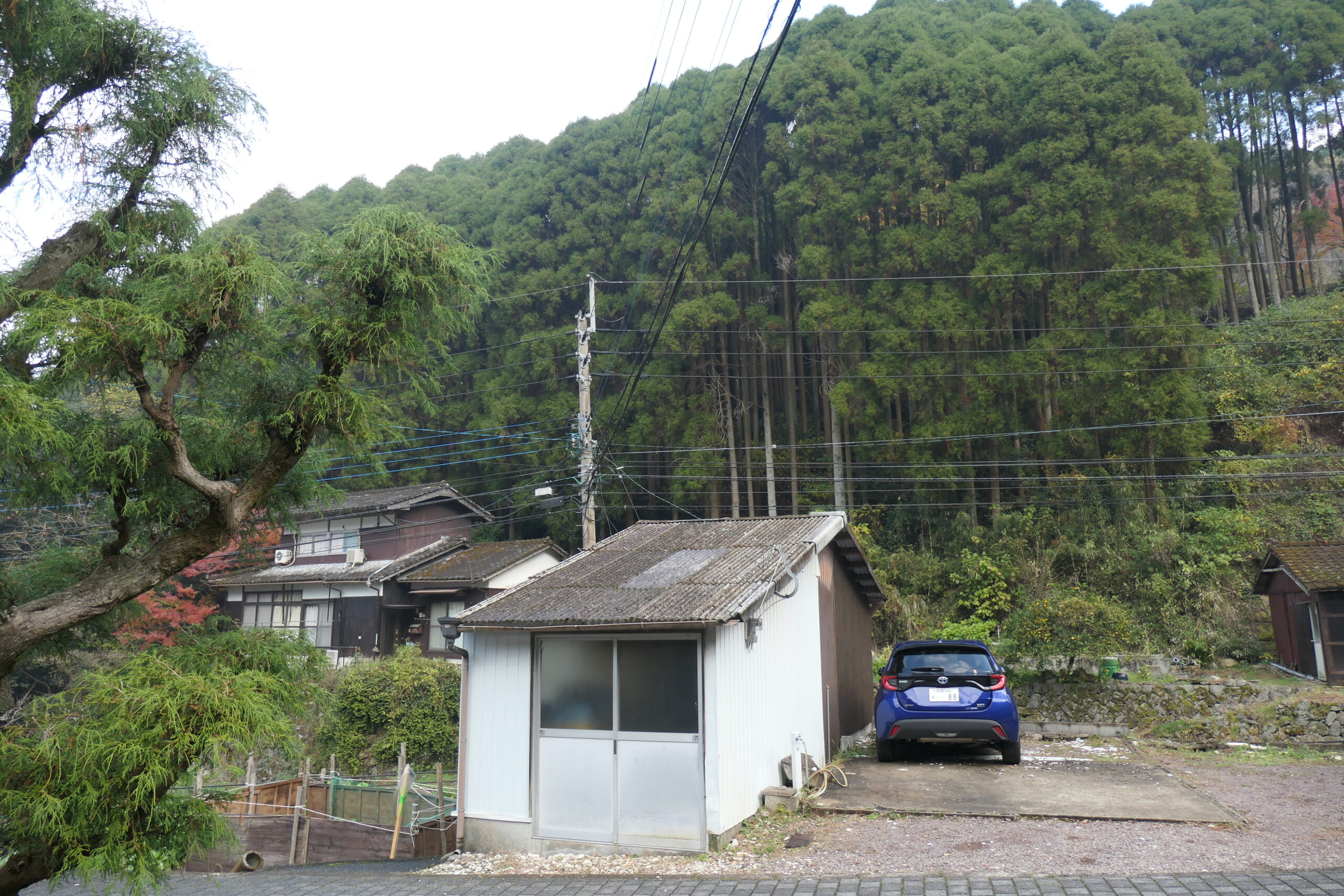
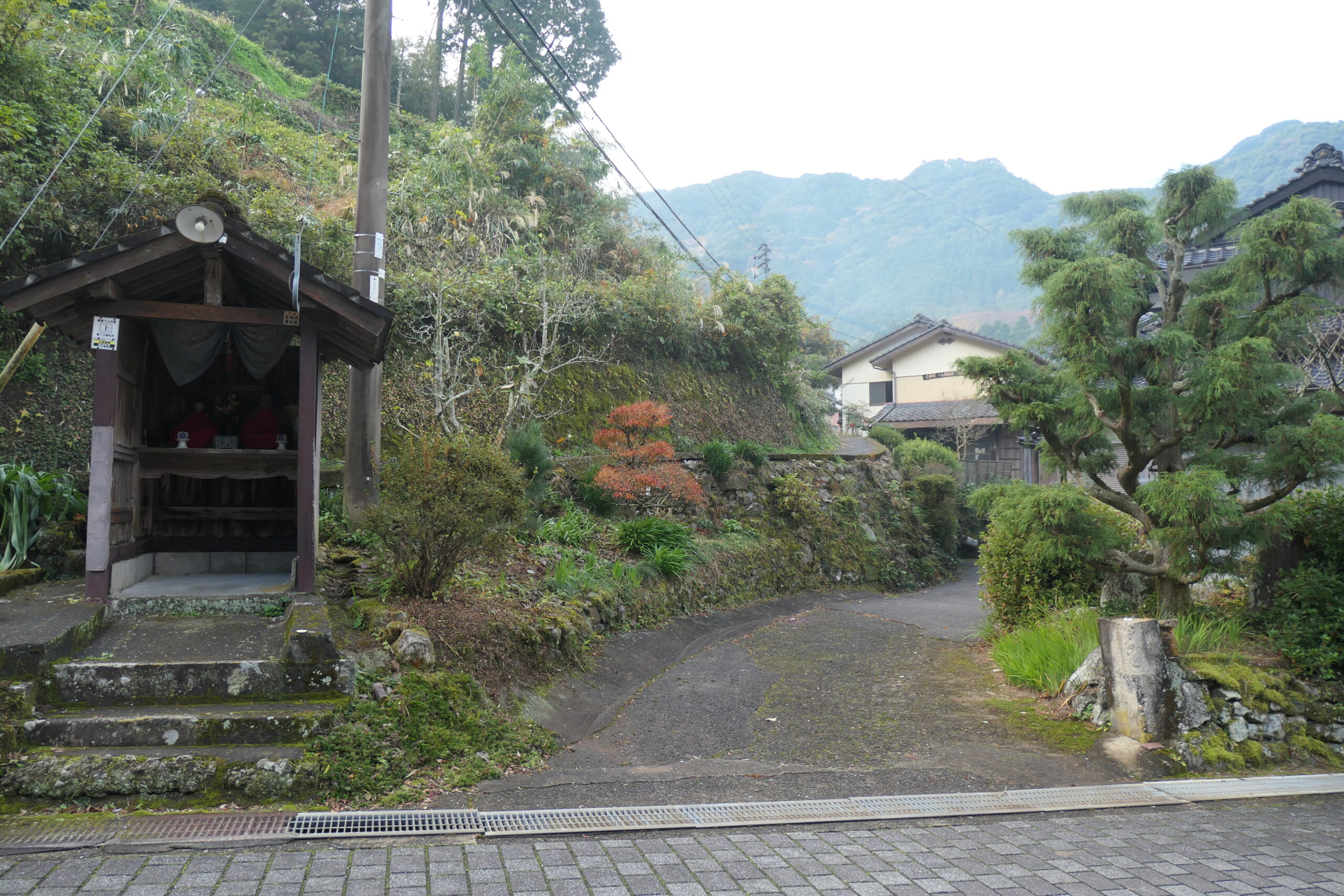
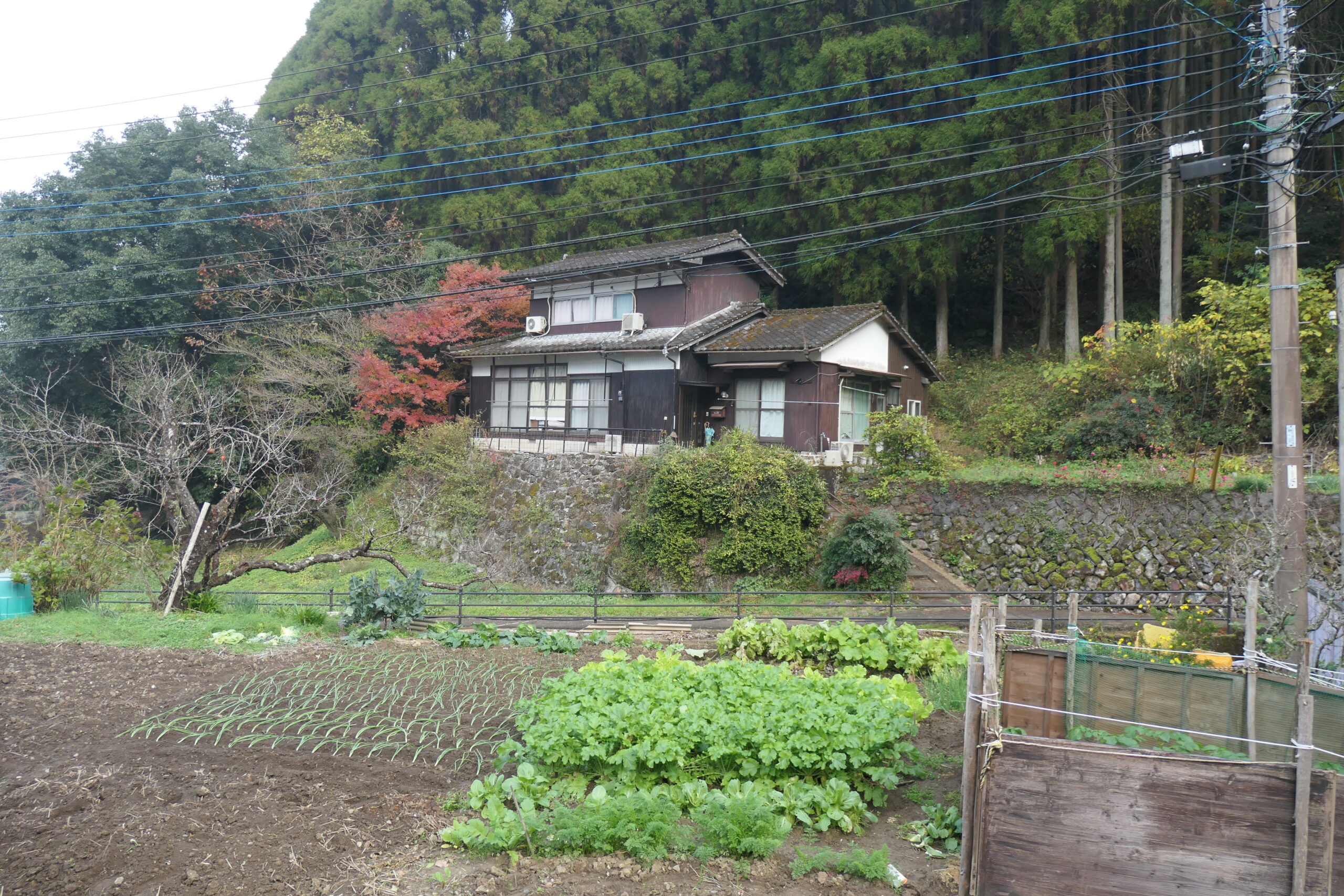
At the crest of the town I found this torii and mossy rock steps leading to a small, eclectic shrine. A variety of mossy, lichen-splotched Buddha figures outside, and a small shrine to a goddess – I am not sure who, but I would guess Kannon – in a corrugated sheet metal shack with a glass sliding door. The climb was slippery and crumbly so I will take any protection I can get from the local deities and kami.
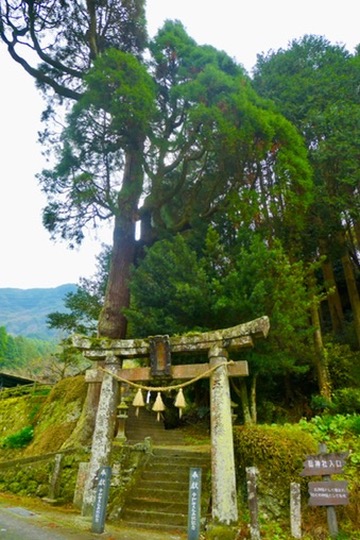
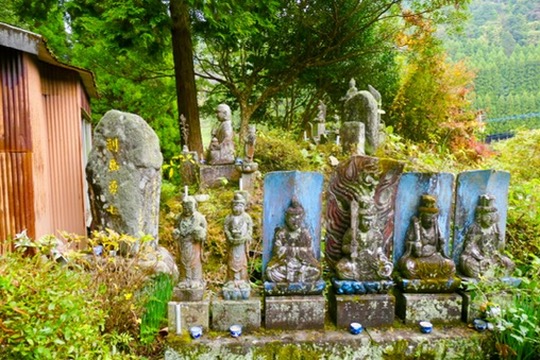
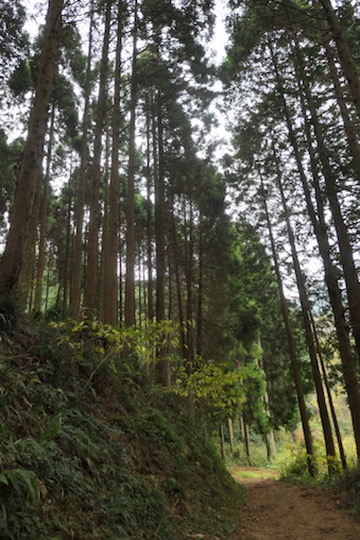
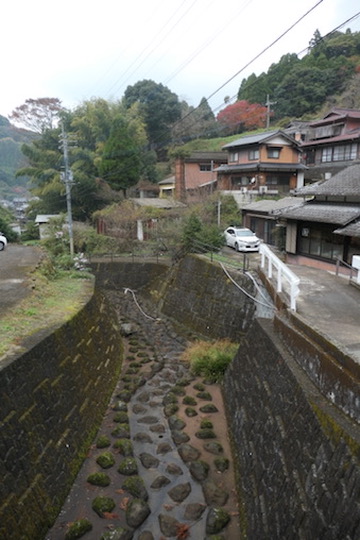
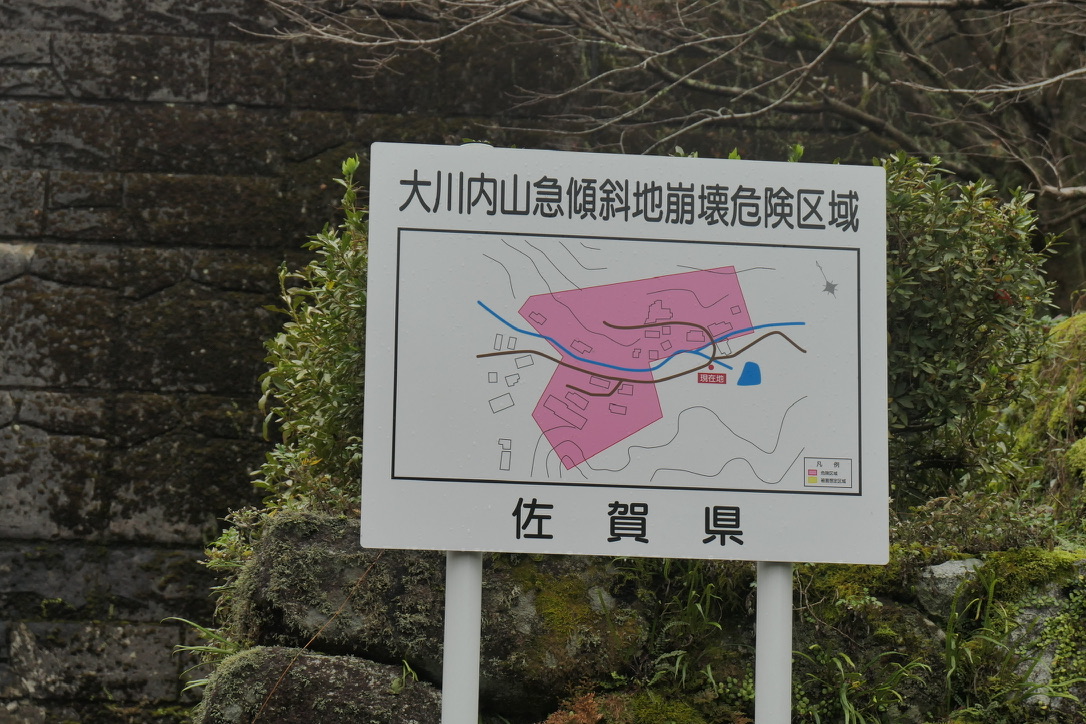
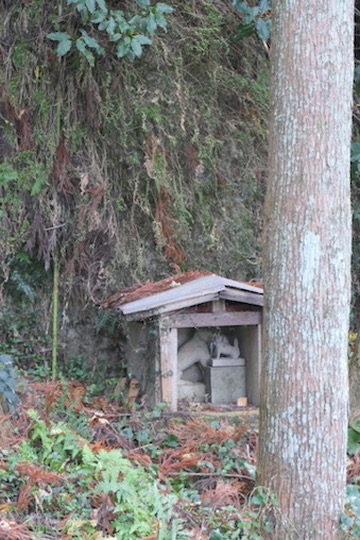
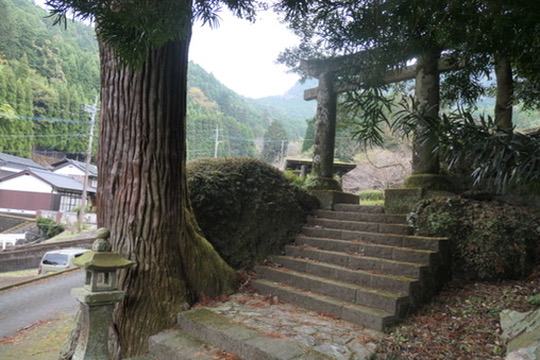
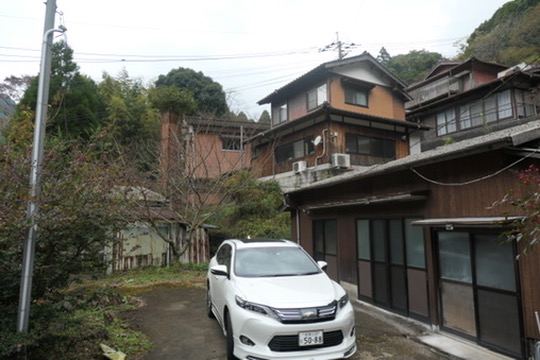
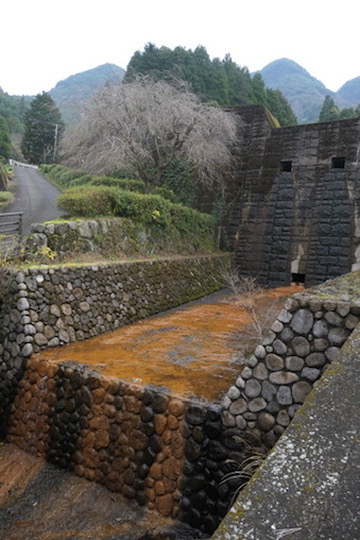
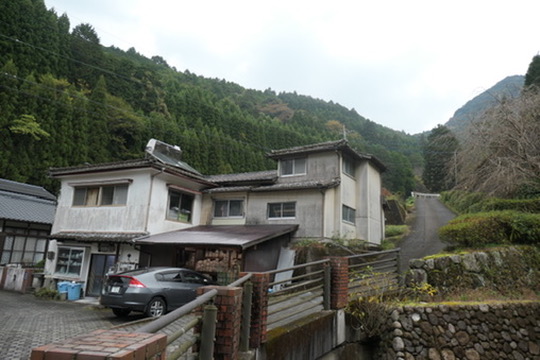
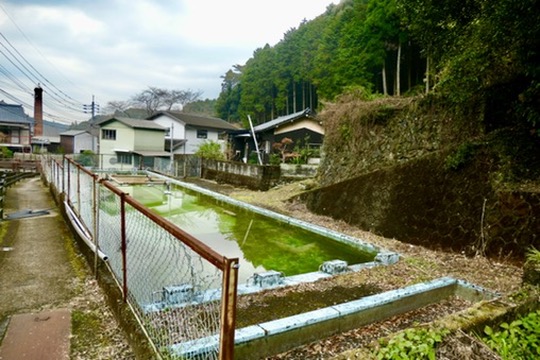
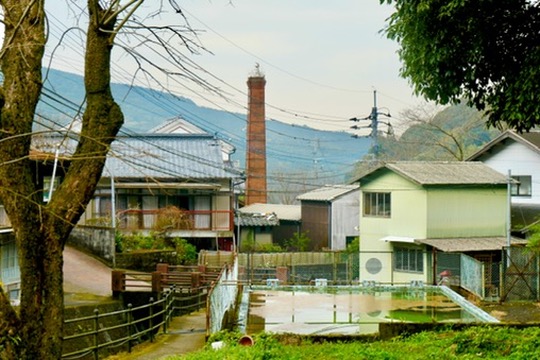
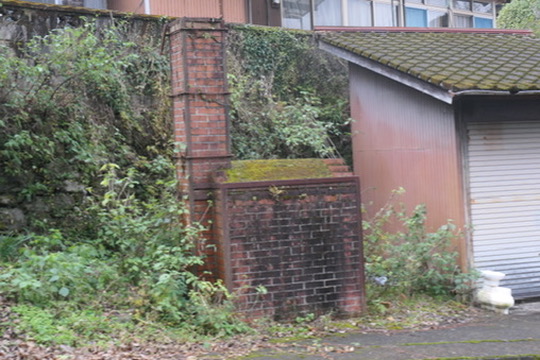
I came back around the mountain by a different slope and emerged from the woods next to a bridge. I initially arrived in town on the side of the river that was the town front as for tourists – shops, etc. The other side was strictly residential. Maybe the moss and mist drives me to romanticize, but I loved all the little old board-and-sheet metal houses. It was on this residential side of the river where I now found myself I saw the clearest signs of rural decay—this abandoned swimming pool was one of note.
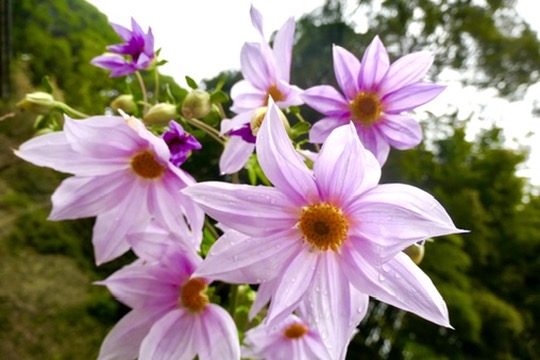
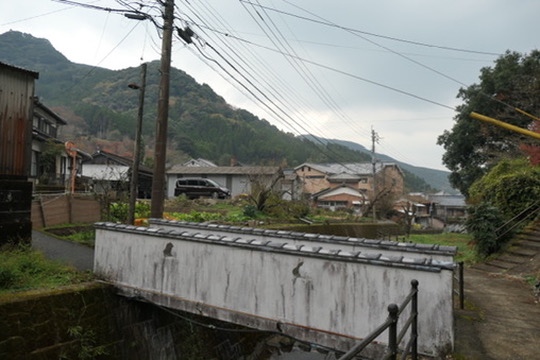
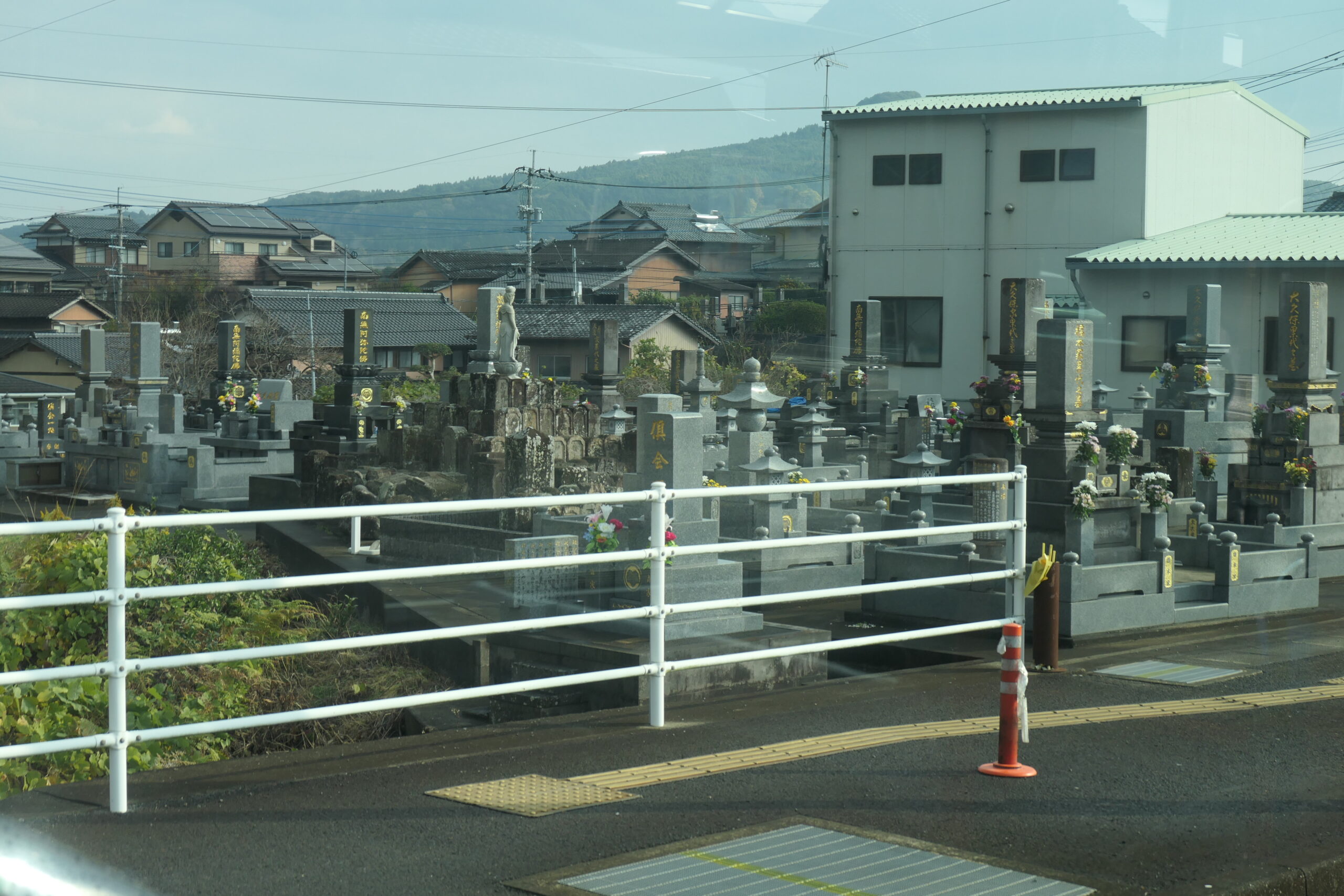
Also on that residential side of the river across from the bus stop is the most beautiful cemetery I have ever seen: quiet, mossy, green, overgrown, eroded rock splotched toothpaste-green with lichen, thick moss, plants growing between paving stones, worn edges. It is a place of immense peace and beauty. The view of the town below is stunning. I took a ridiculous number of photographs.
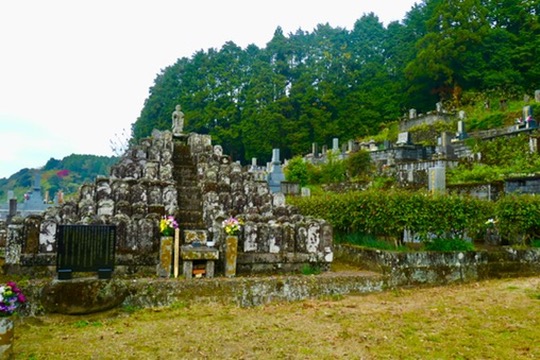
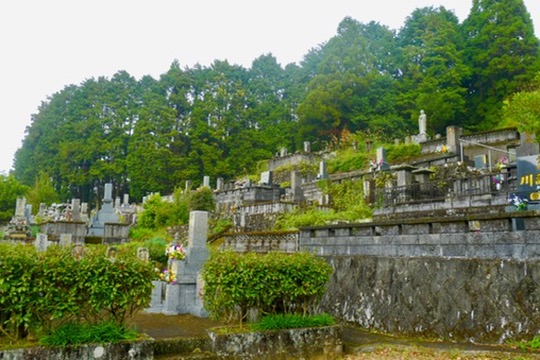
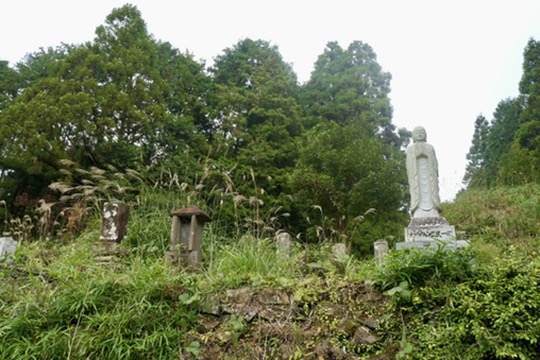
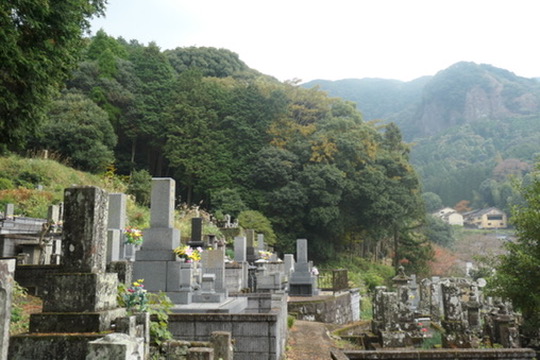
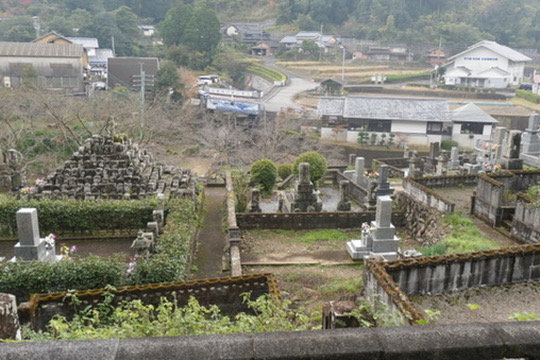
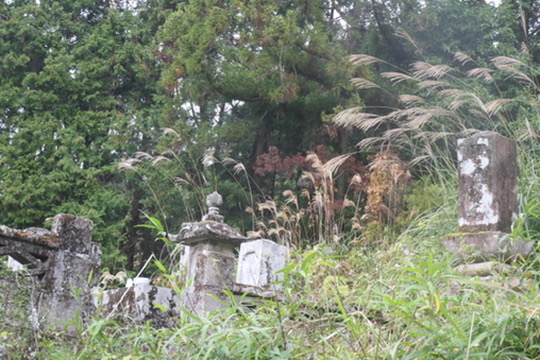
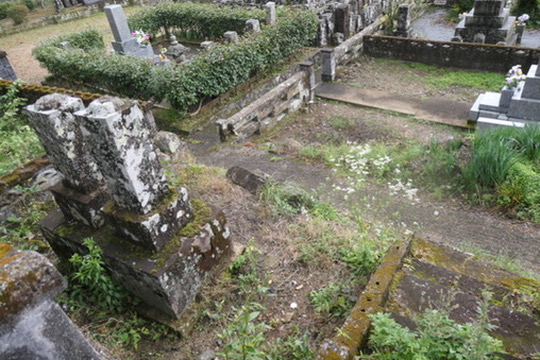
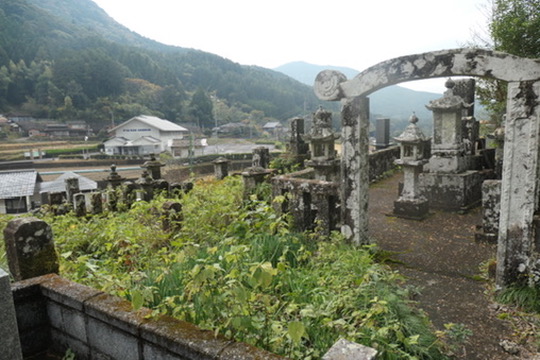
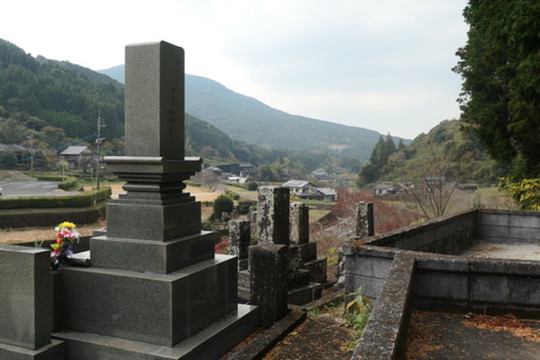
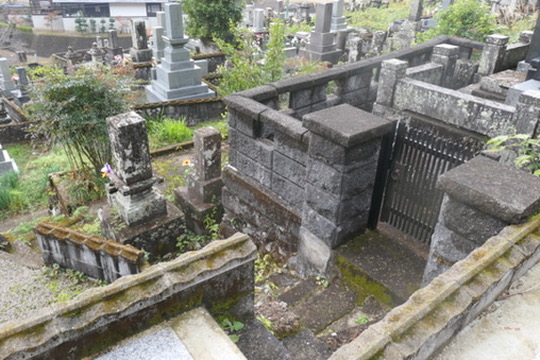
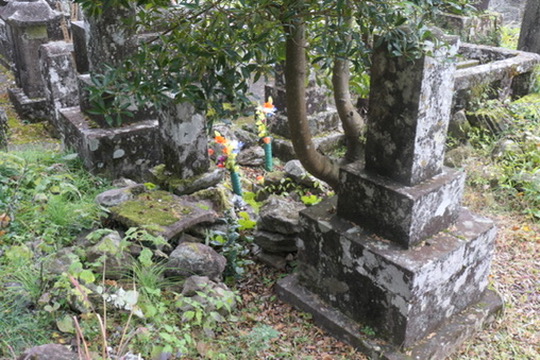
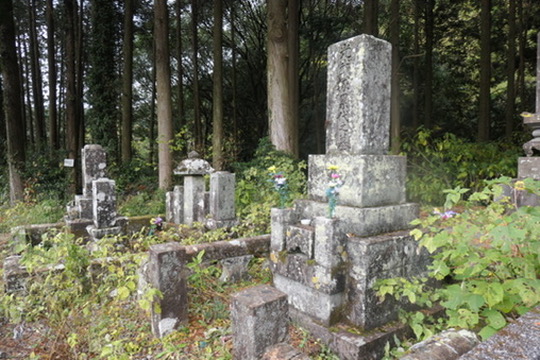
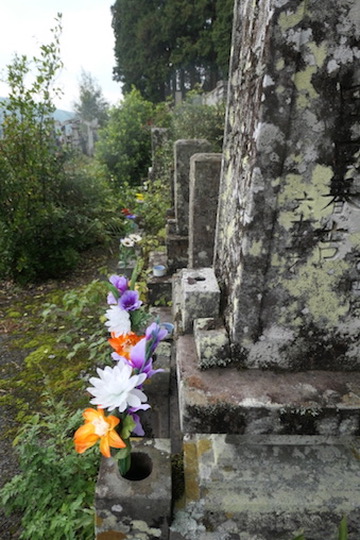
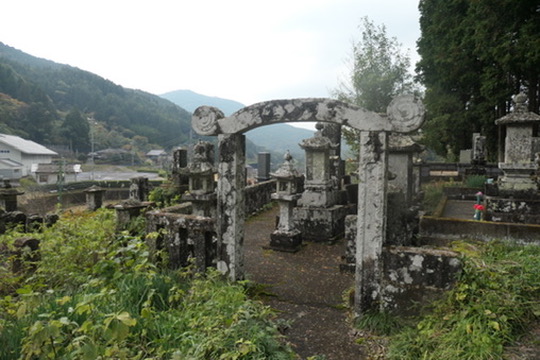
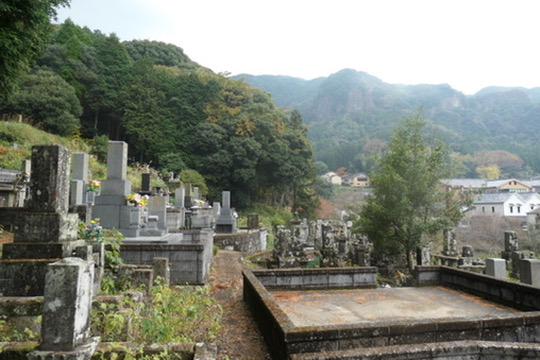
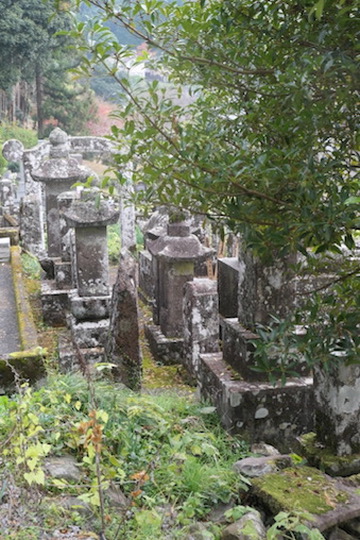
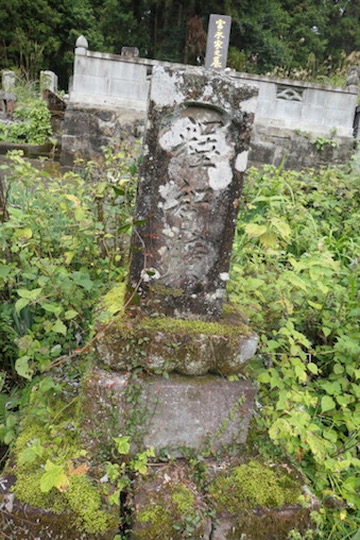
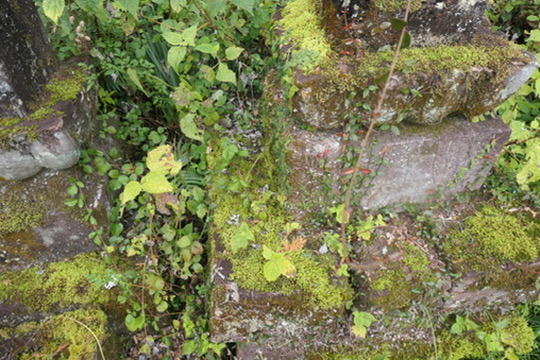
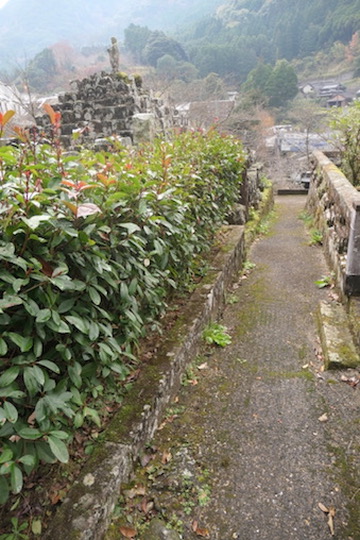
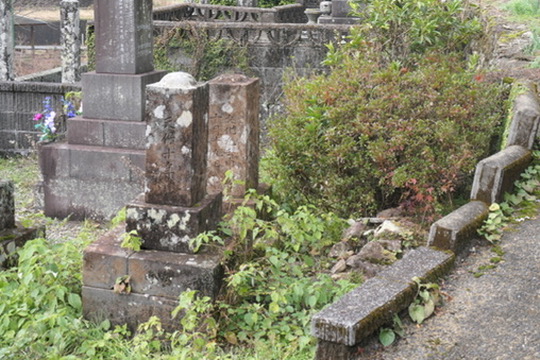
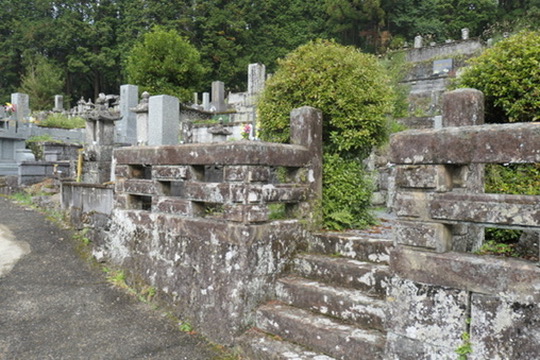
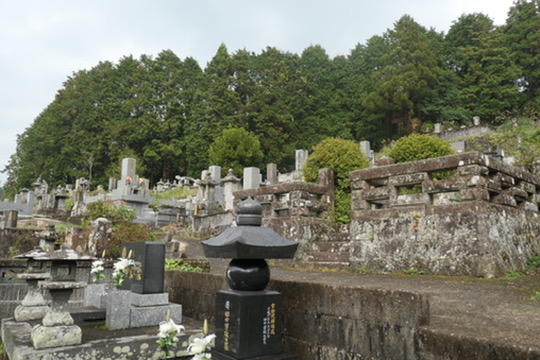
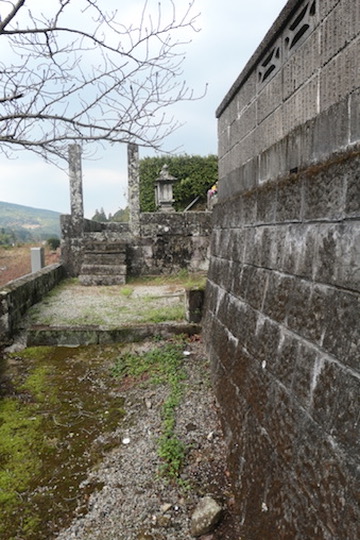
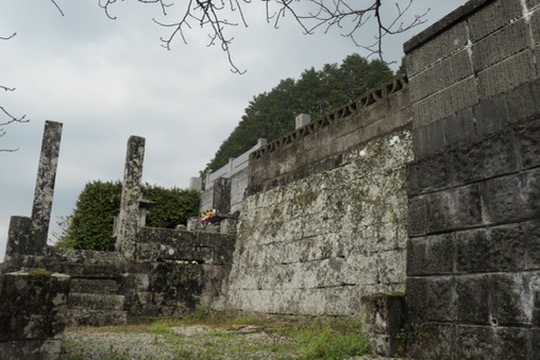
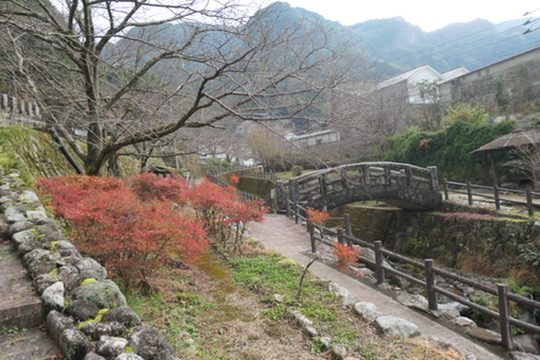
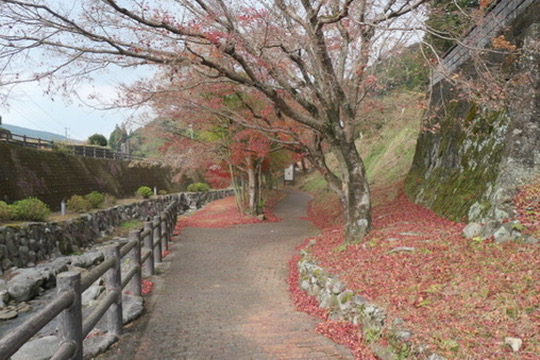
The first photo I here show is of the Tokomuen Grave, the grave of the potters, dedicated to the 880 Korean potters captured by Japanese forces and forced to work for the lords of Saga in the 1590s (so, pre-Tokugawa). The pyramid is built of their individual grave markers – unity and ascendence to some lost homeland. But, if they must rest outside their homeland, they could not have been given a more beautiful place. The graves all had plastic flowers – of the same sort, which inclines me to believe they were set there by a caretaker.
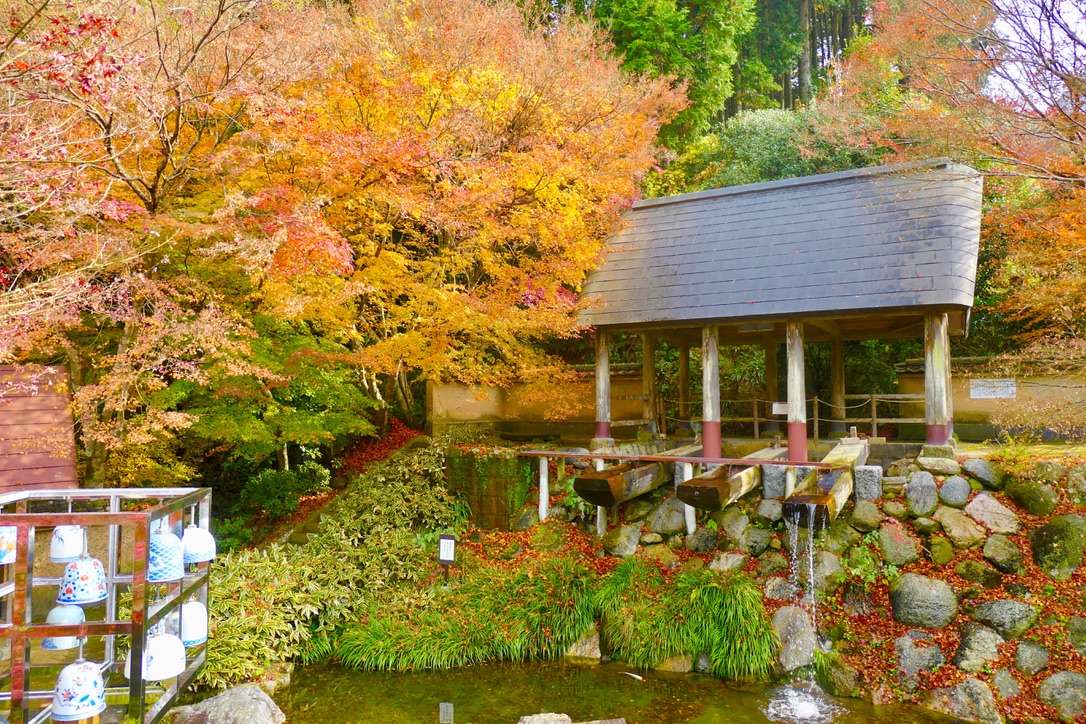
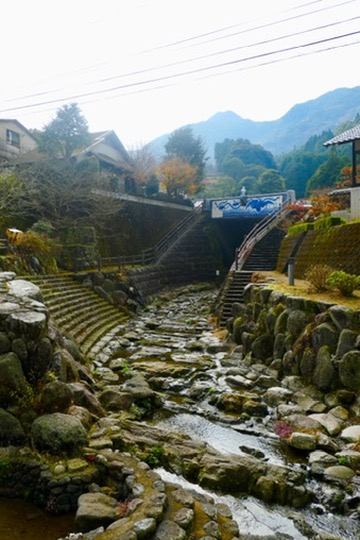
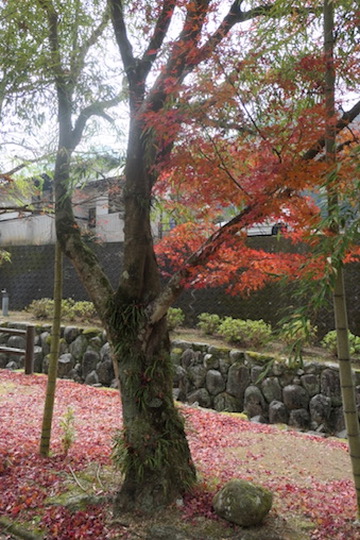
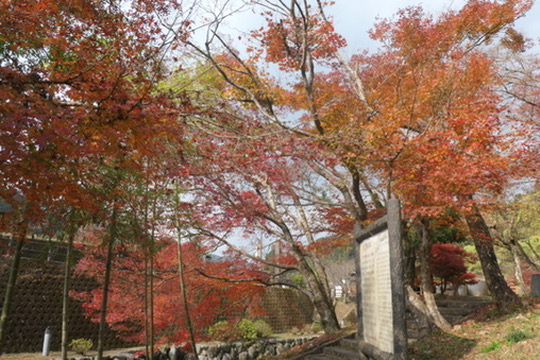
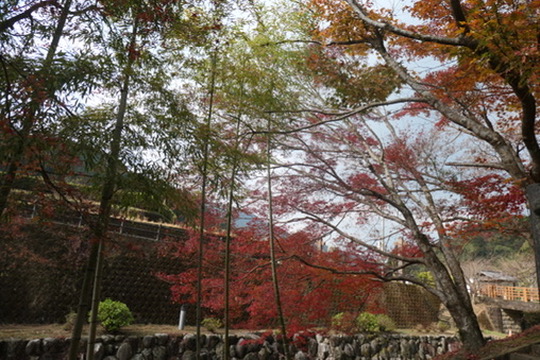
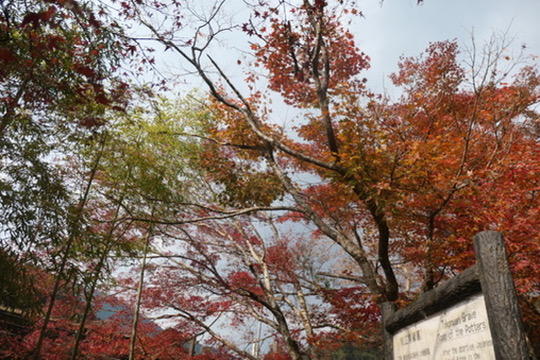
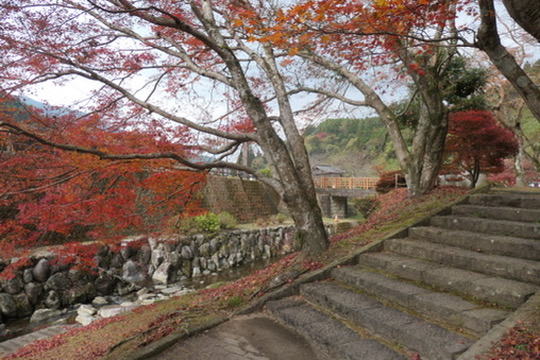
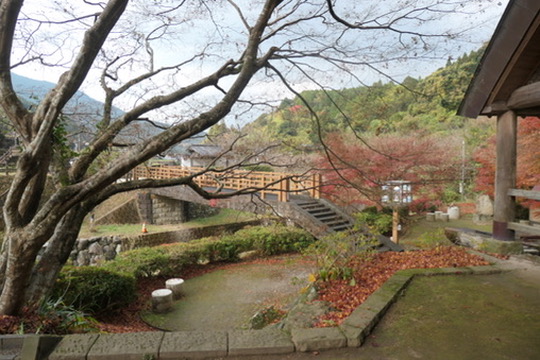
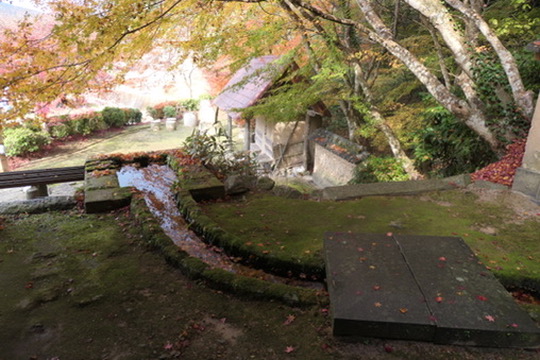
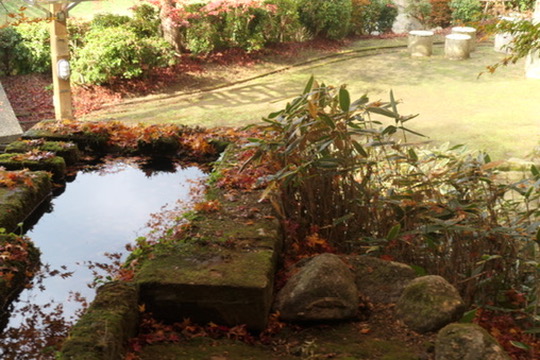
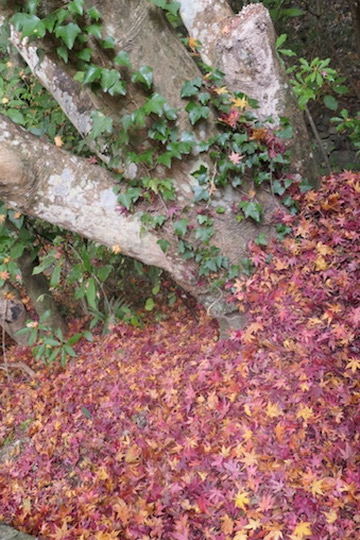
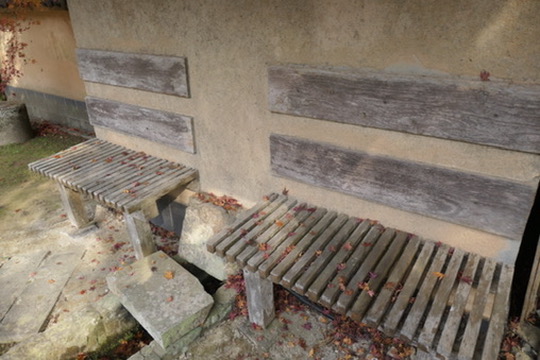
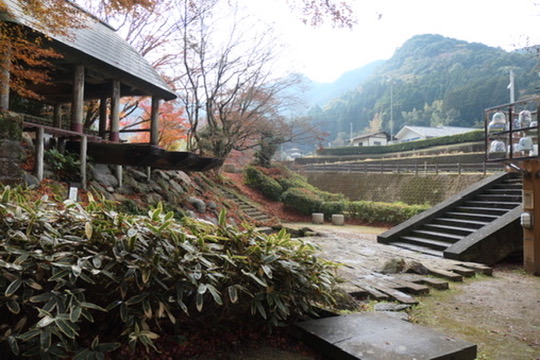
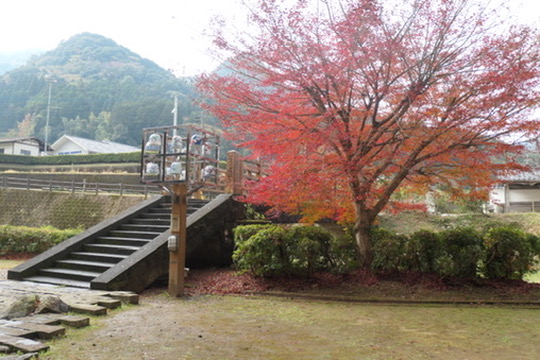
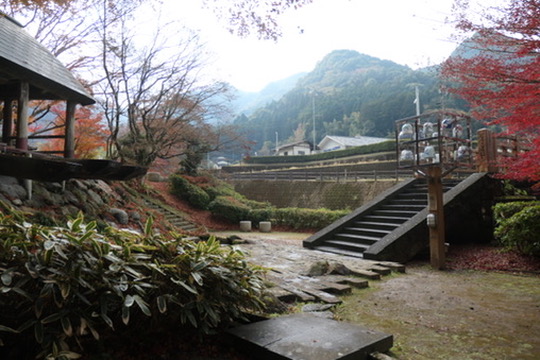
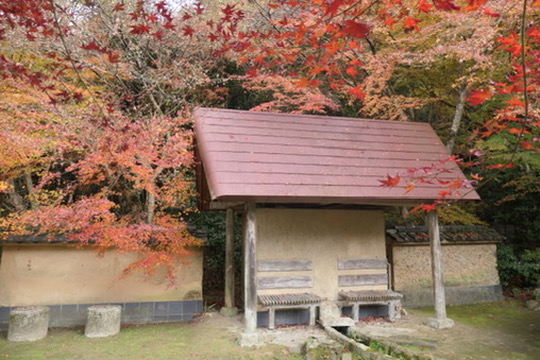
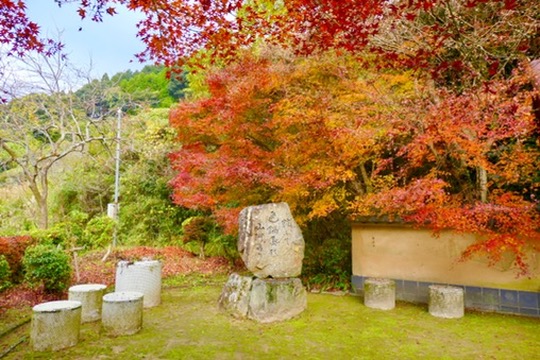
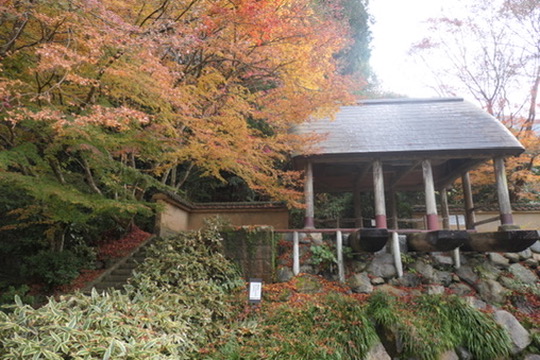
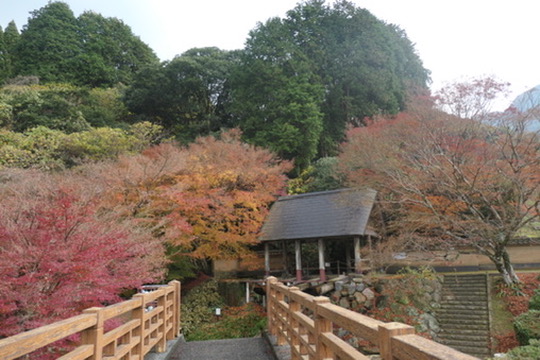
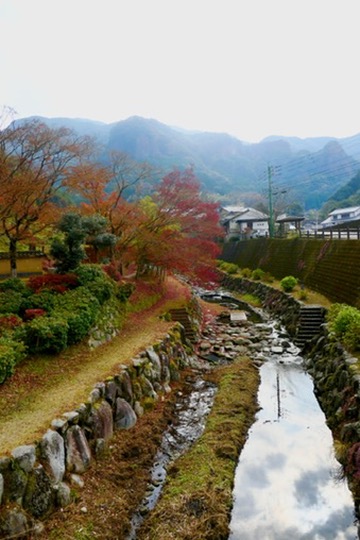
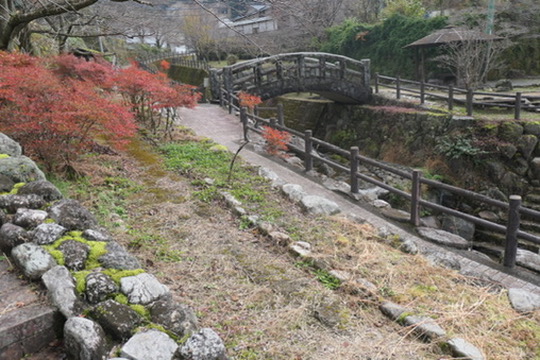
Came downslope from the graveyard to the riverbank and into a stunning riot of reds, oranges, yellows, deep bright drifts of maple leaves.
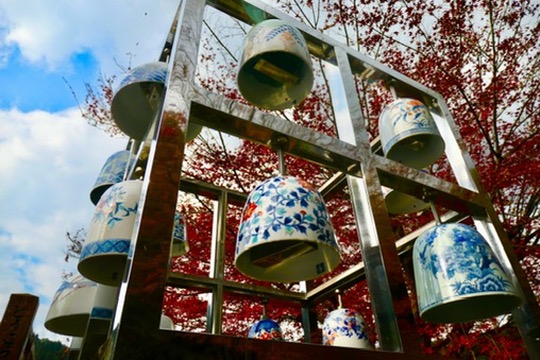
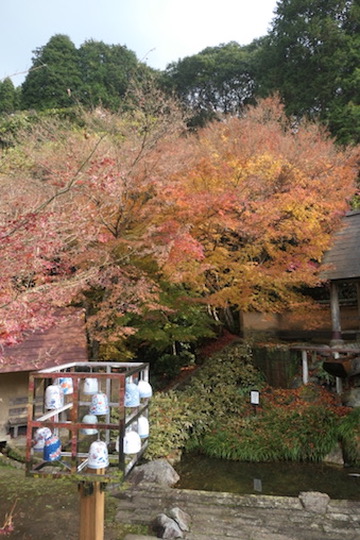
The bells started ringing shortly after I turned by back to them. I did not recognize the tune. The gigantic deer scares under the roof did work on me.
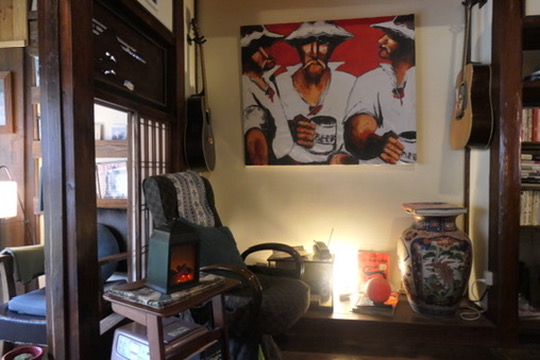
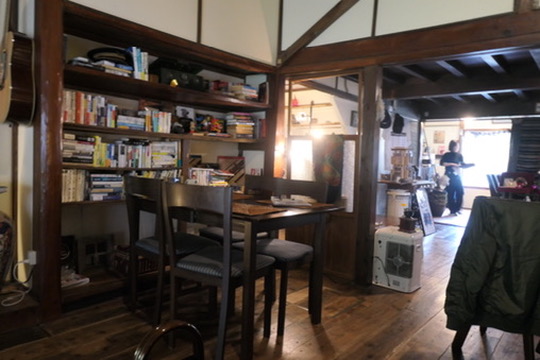
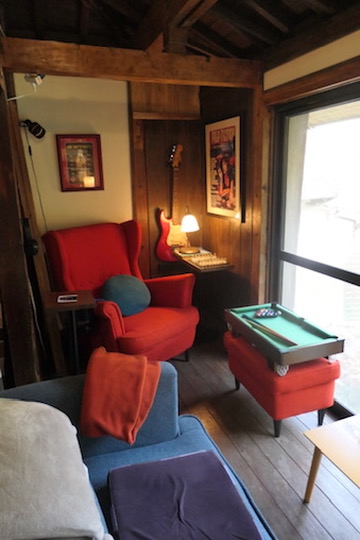
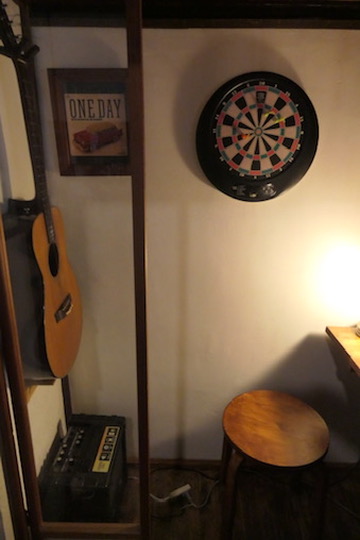
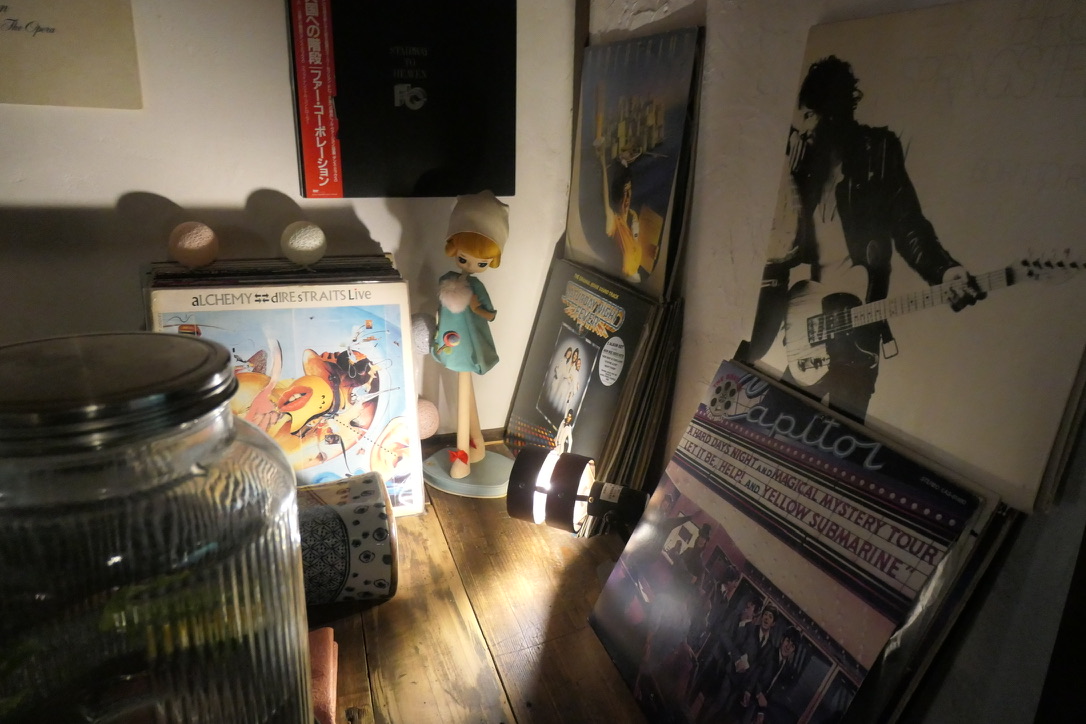
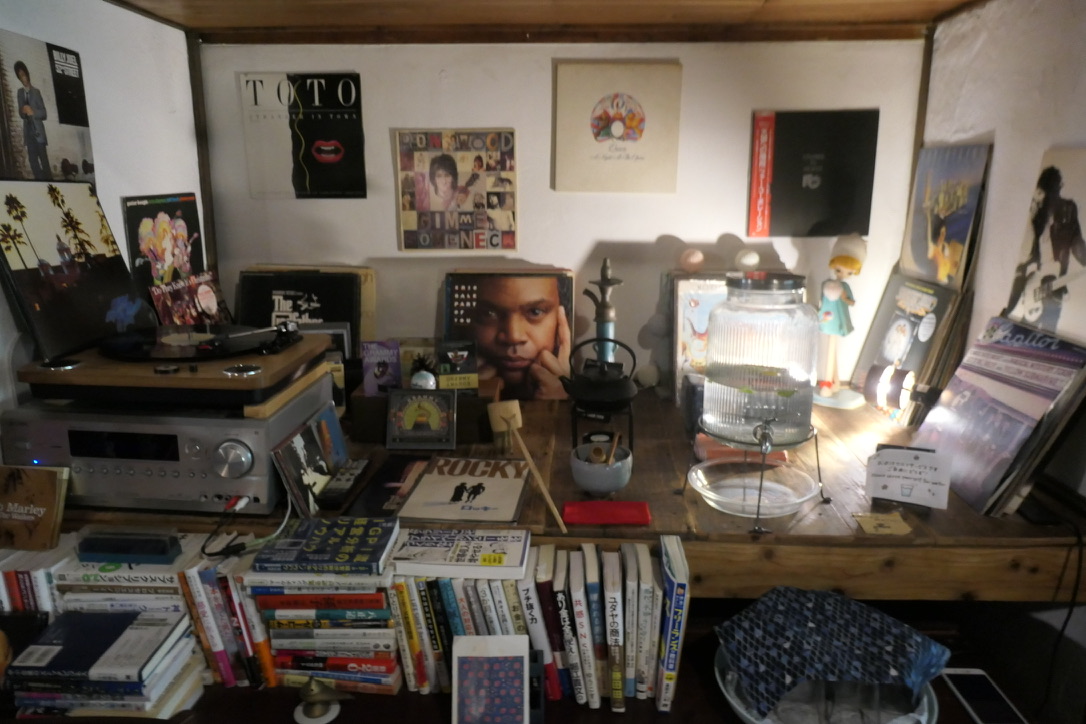
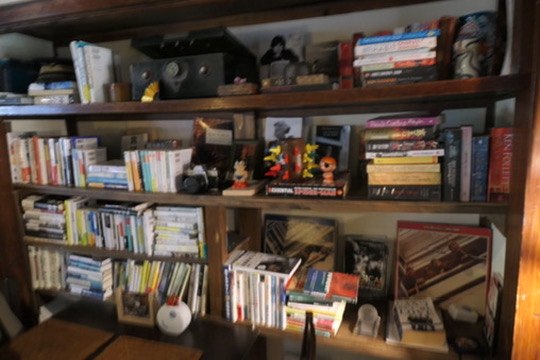
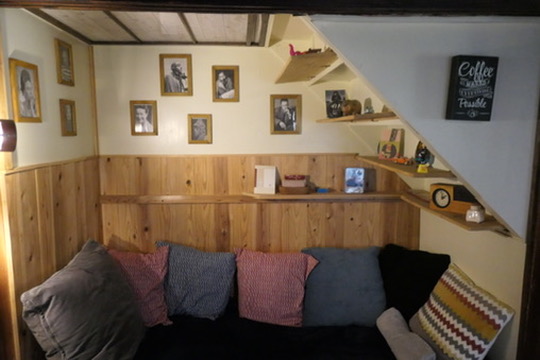
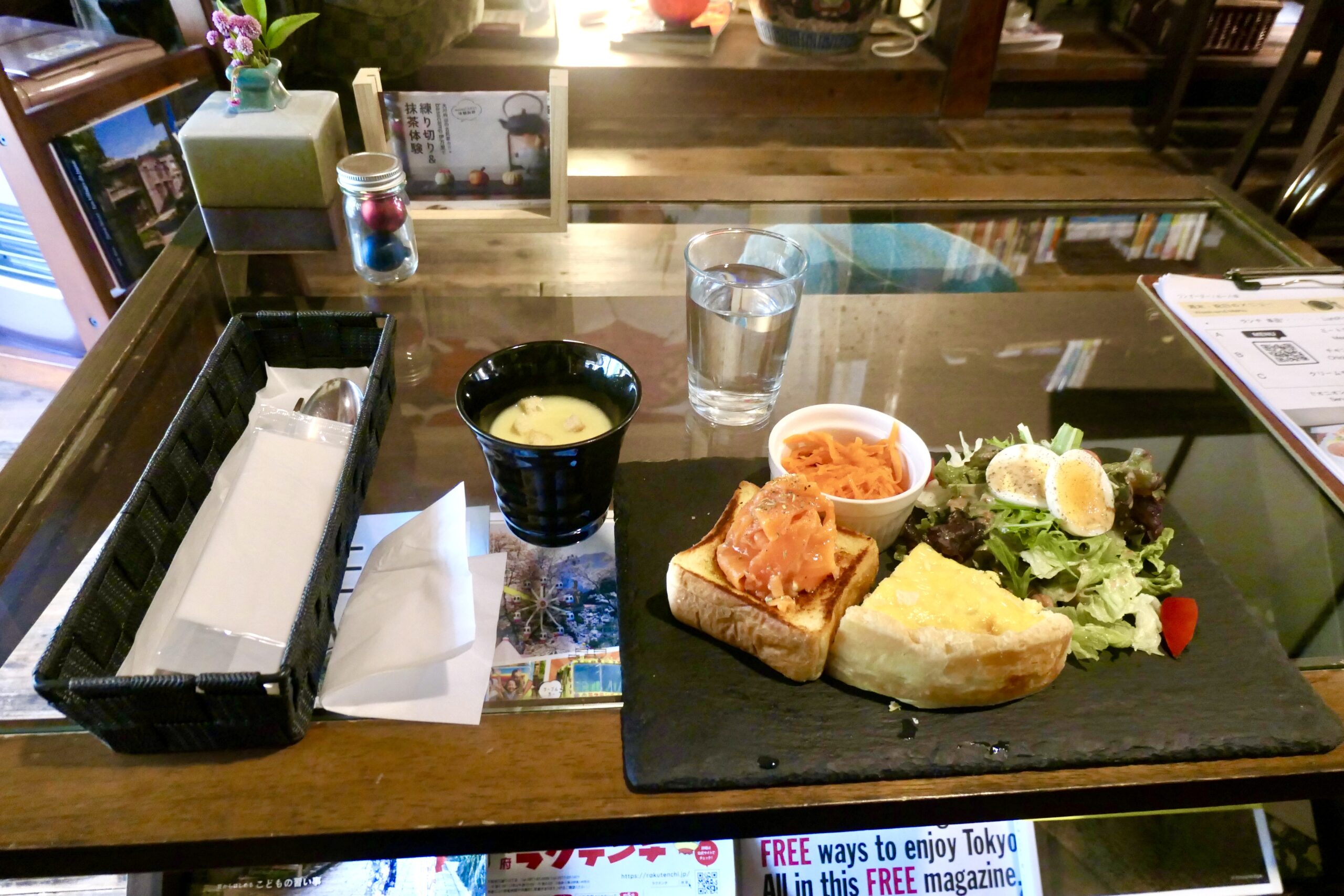
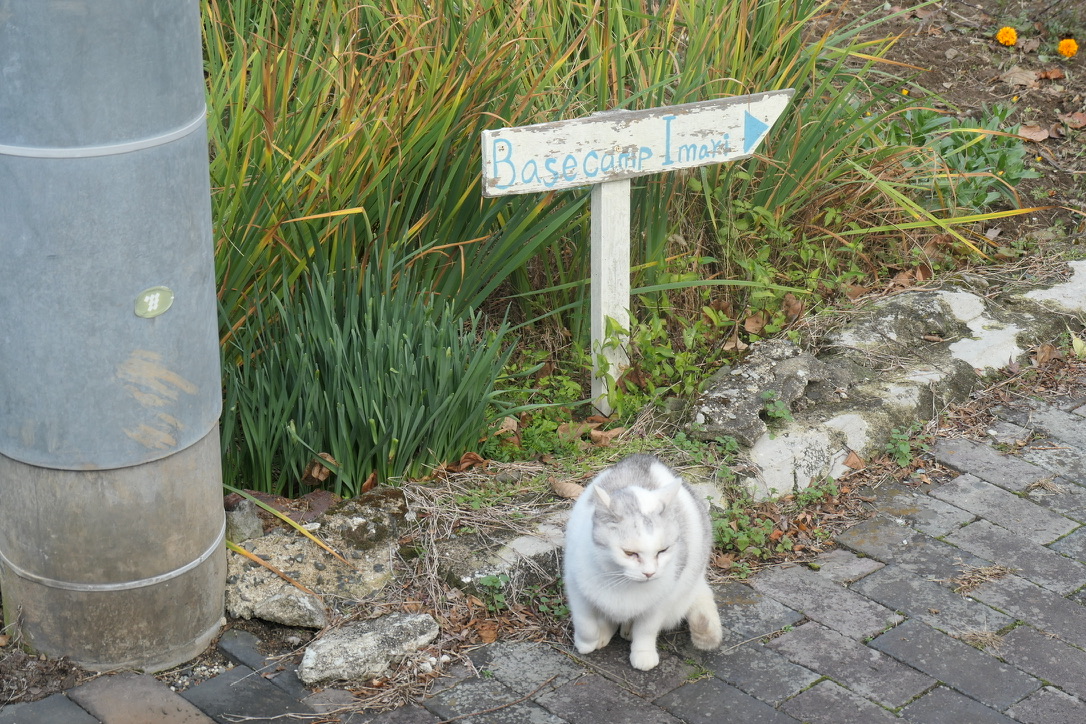
Went to basecamp (so-spelled, without capitals) for lunch—this was where I had my Proustian moment. The décor was all extremely Western 60s-70s pop culture. A full café with tatami flooring; you take your shoes off at the door. The owner, the white guy who greeted me, is French; seems to be living the dream running a hip café/den/hotel in a Japanese mountain town. I told him The Eagles was among the last things I would expect to hear in a small Japanese town that prides itself on being quintessentially Japanese. I got a salmon-on-cream cheese toast set; comes with a cheese (savory) pie, salad, and corn pottage. All excellent. The bread was thick and chewy. The owner’s (Japanese) wife also speaks fluent English and visits Los Angeles yearly for her work. She said she always stays downtown. I struggle to think of two more contrasting places than Okawachiyama and downtown Los Angeles. The former is clean, peaceful, quaint, safe – words that do not readily come to mind for DTLA. [2025 note – it’s been two years but I’d love to have coffee with her or something next time she’s in town; I didn’t get contact info, was too shy. I bet she doesn’t remember me.]
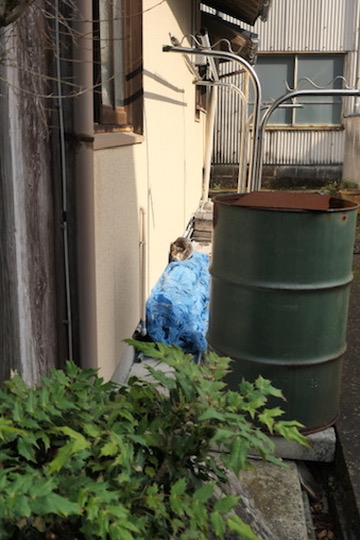
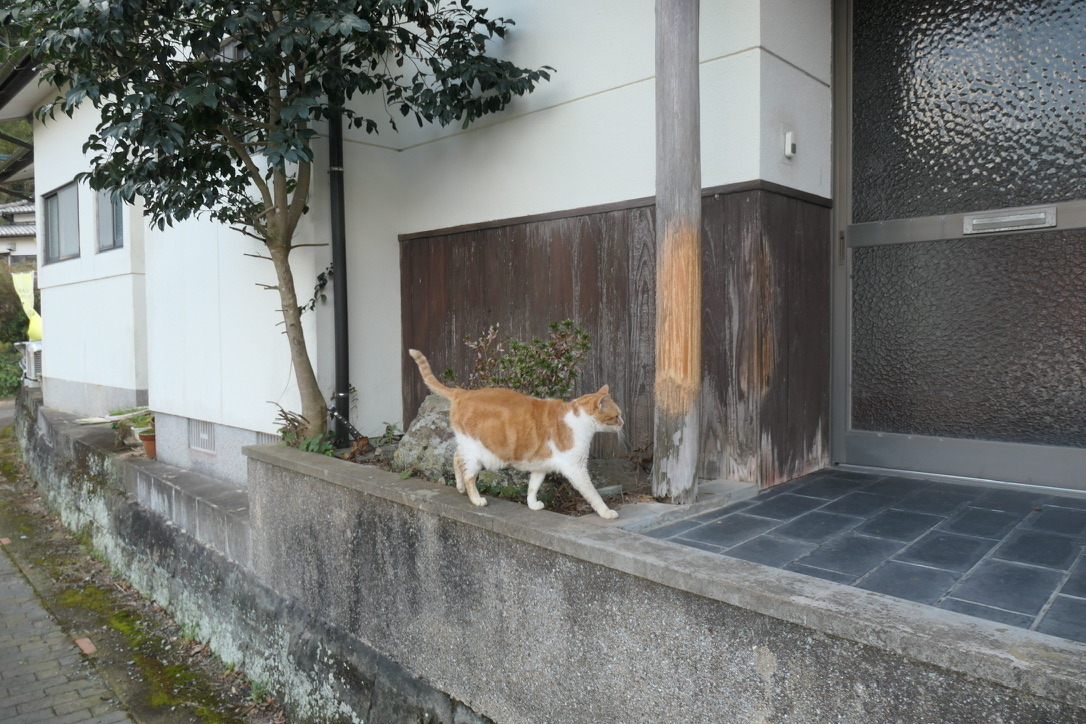
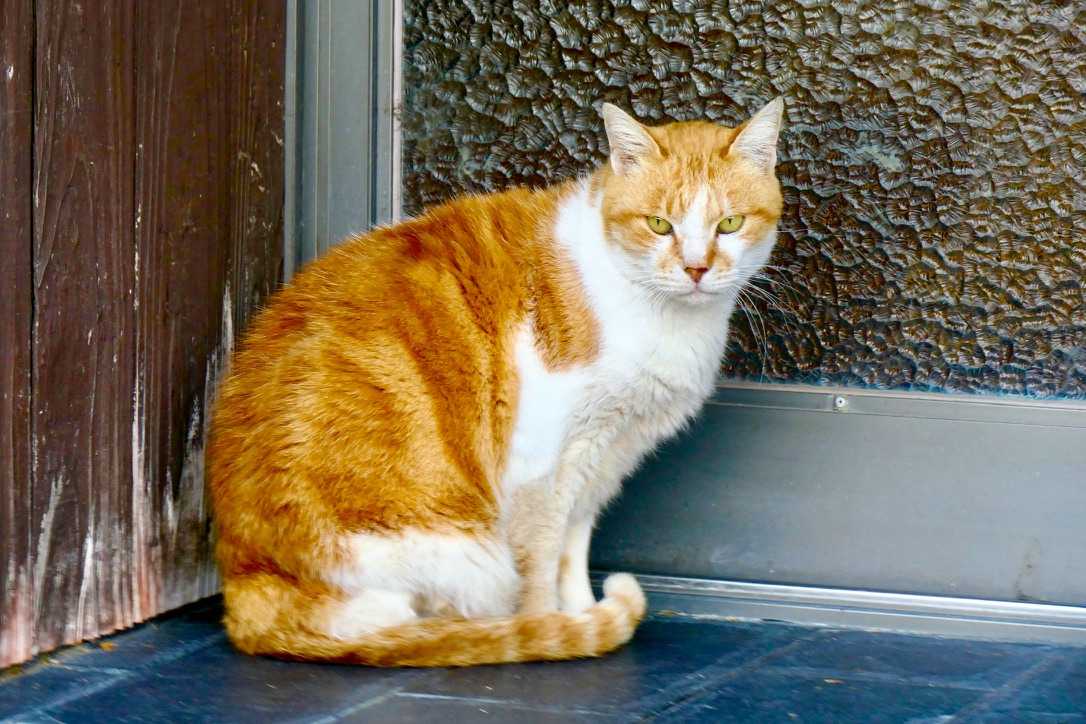
And then we have the town’s most prominent citizens, the cats. The first cat I saw on my initial way up the hill toward the shrine; she is loafed up on a pile of something that stacks like logs covered with the blue Ikea-bag tarp. We exchanged blinks.
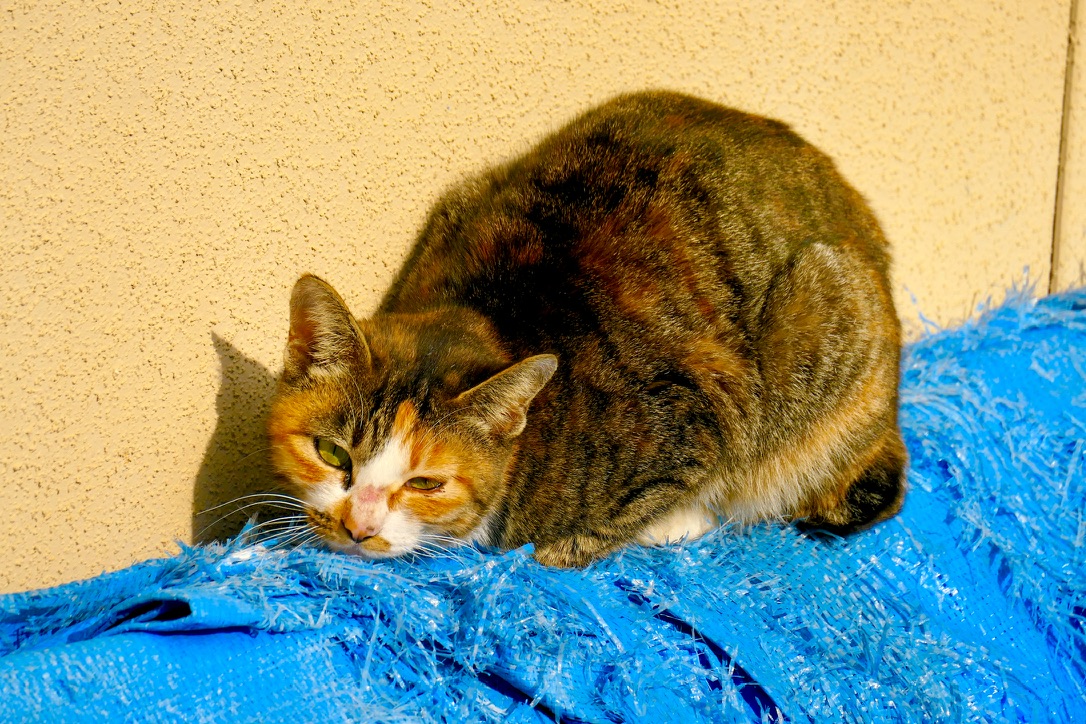
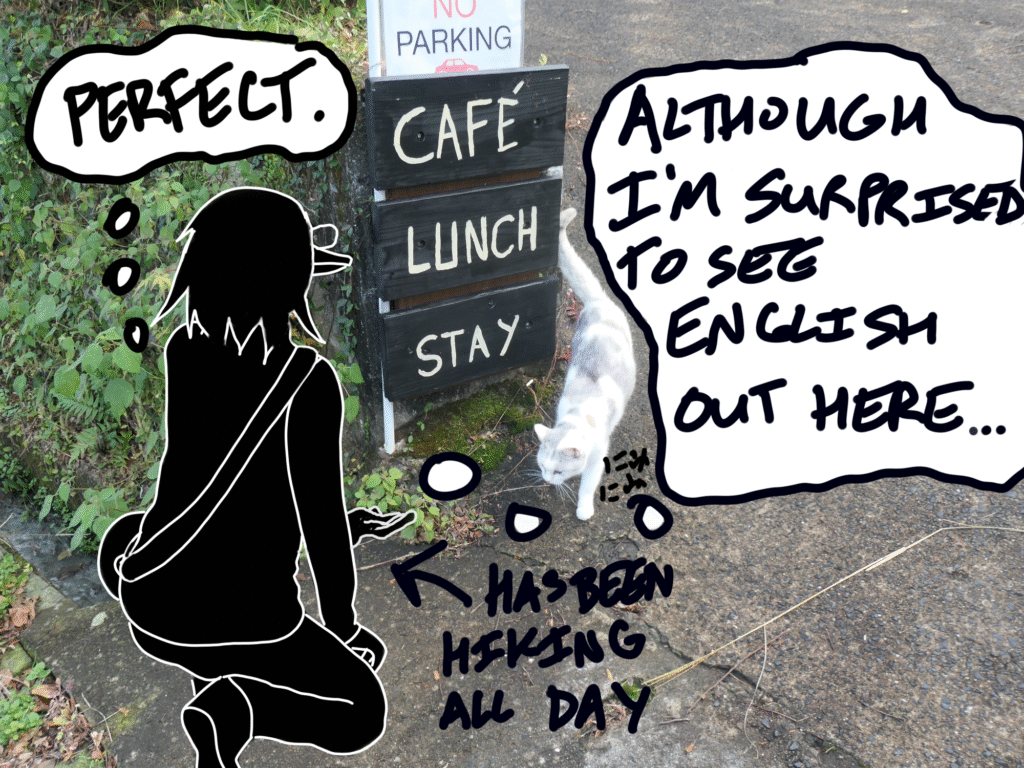
The second cat I met by basecamp when I heard commanding meows coming from uphill. She raced down to my ankles and started headbutting and demanding. Chatty, bold girl—tiny, with soft fur. (She also has a guest appearance in the comic above.) The big orange one watched me with scorn from his doorstep. He must be tired of gaijin tourists.
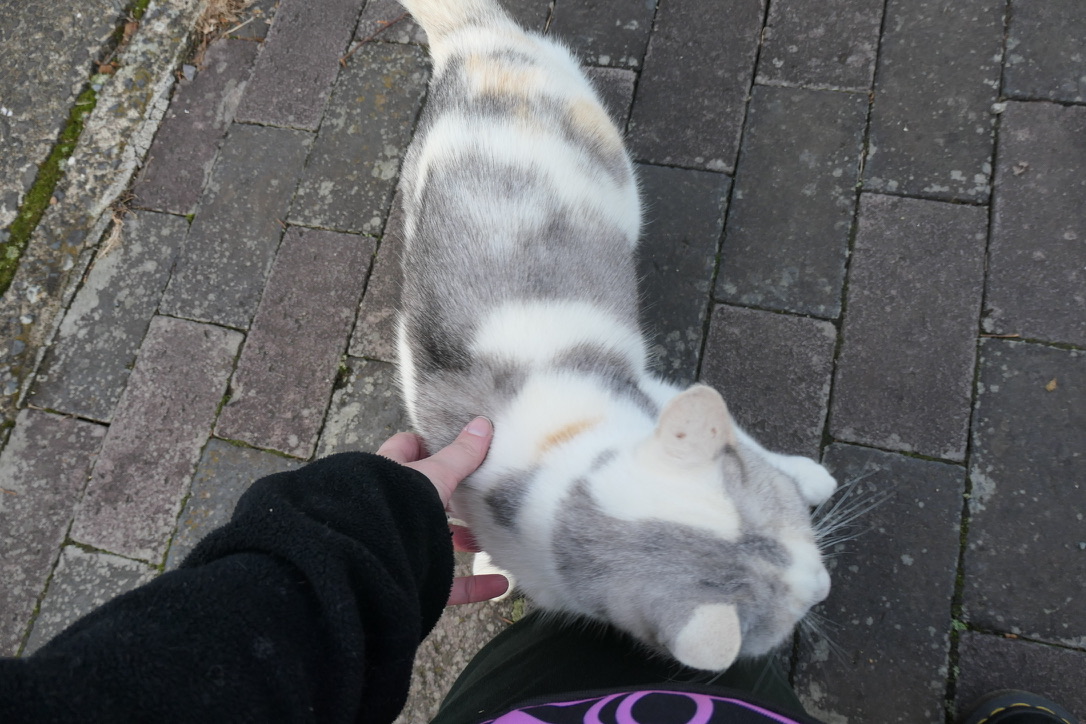
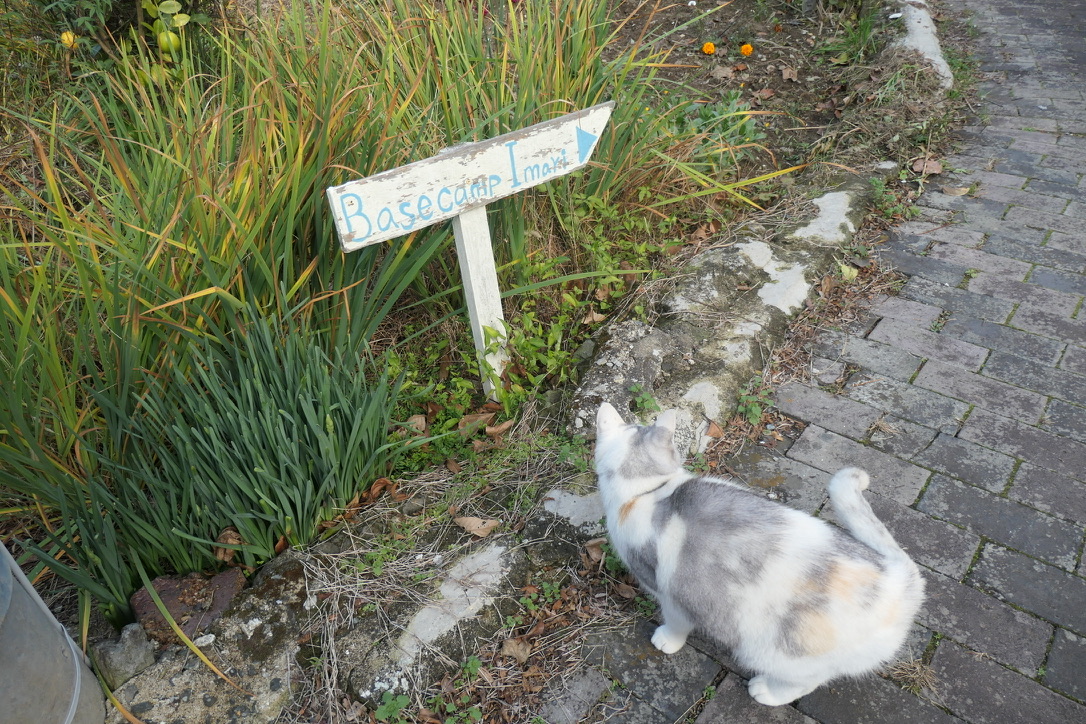
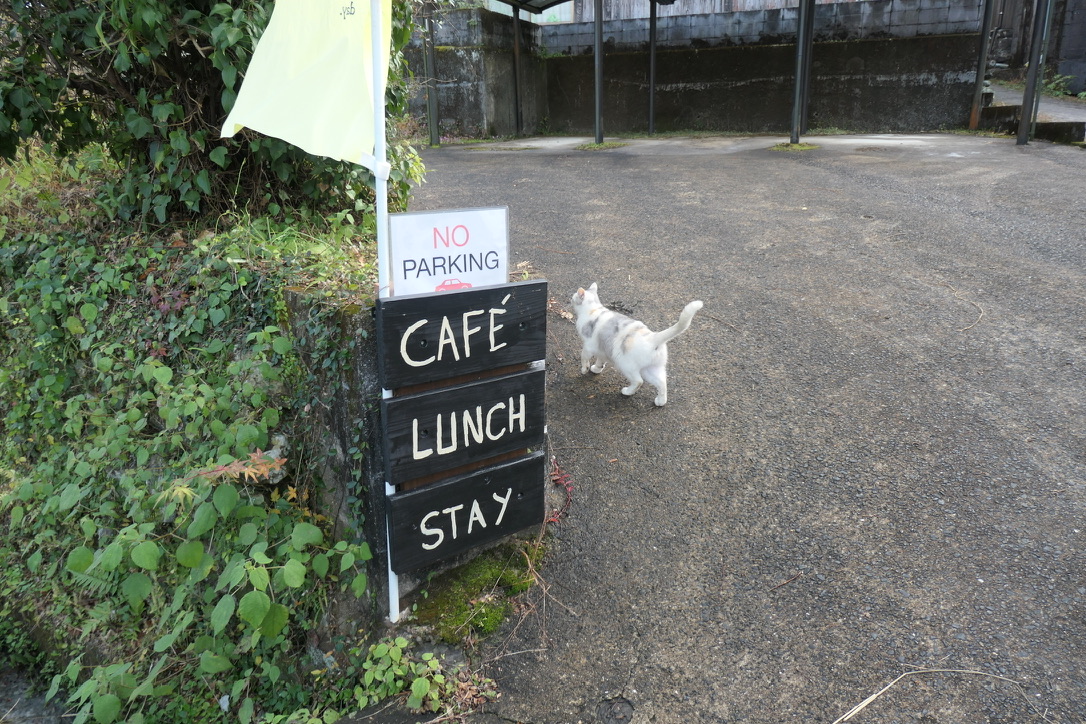
I browsed a bit more before catching the bus and said goodbye to chatty kitty, who was not shy about telling me I had not been dismissed from petting duties even though the last bus of the day was about to leave. I was hoping to find a handle-less cup as a souvenir (I have enough with handles and then some) but I hemmed and hawed over it too long.
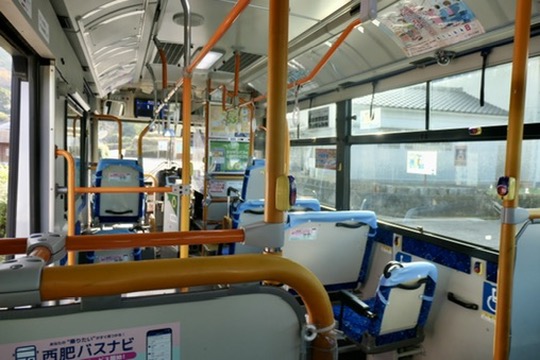
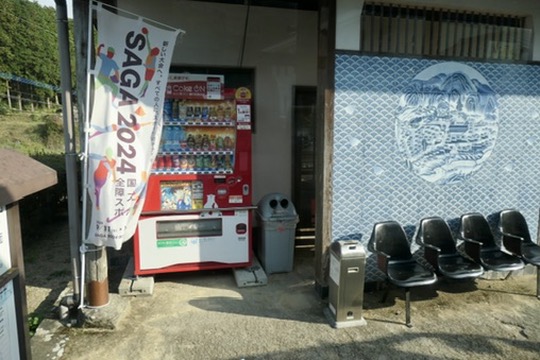
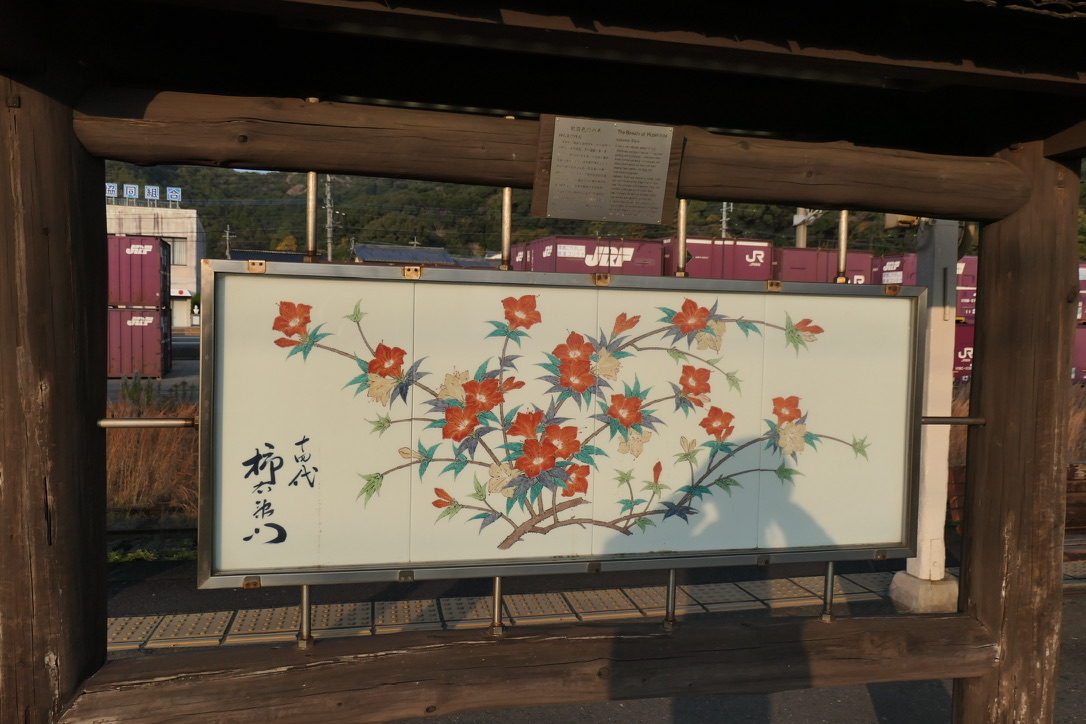
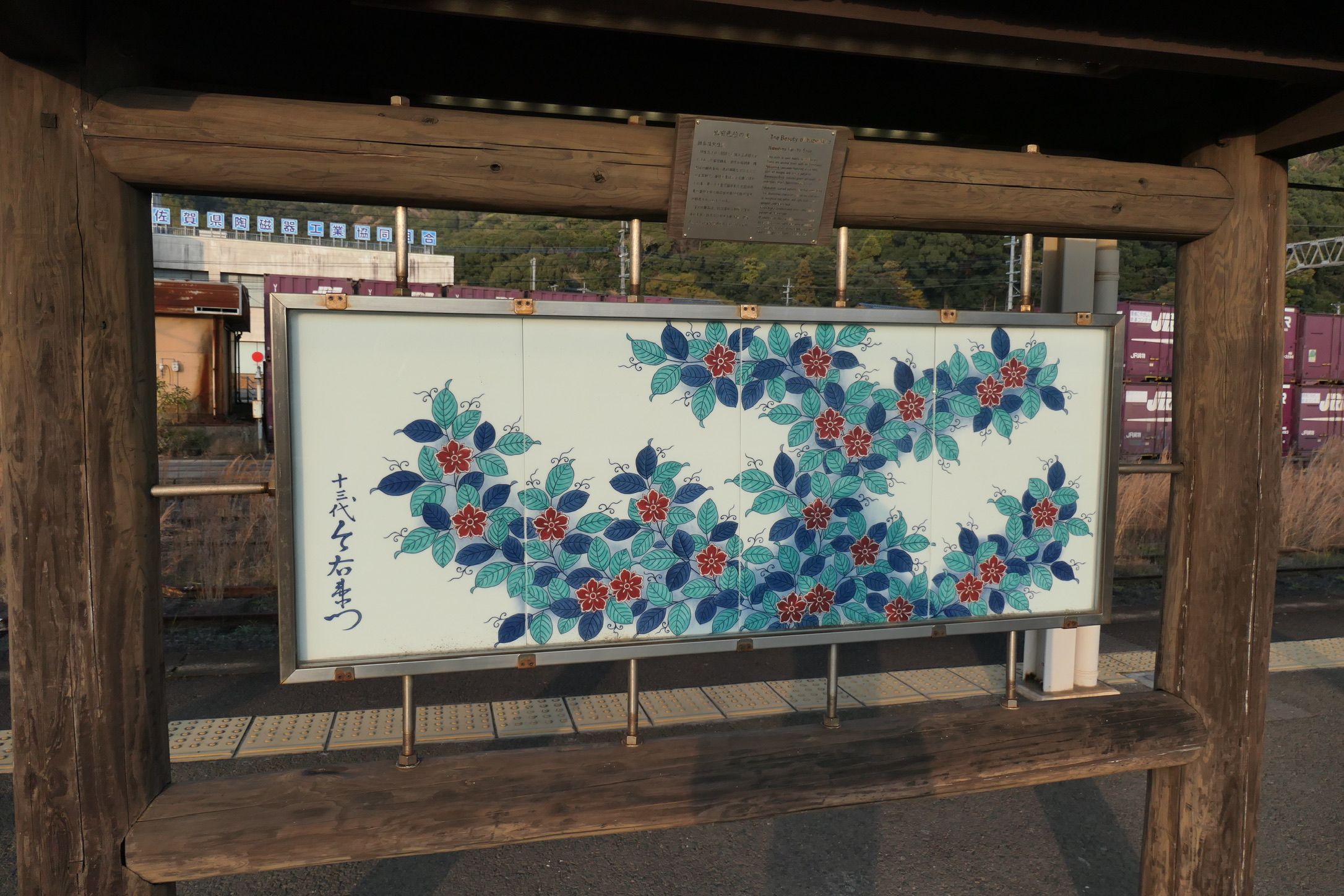
The bus took me back to Imari Station and I took the train back to Arita, where I had a roughly 40-minute layover, so I browsed what must have been the most touristy shop in town – the gift shop across from the train station. I got for myself a windchime. [It is the one that still hangs over my porch. The beautiful calligraphy on the tab-paper just says “Arita windchime”, which, well, it sure is.] I really should have gotten one directly from a potter in Okawachiyama; not sure what possessed me. Caught the train back to Hakata.
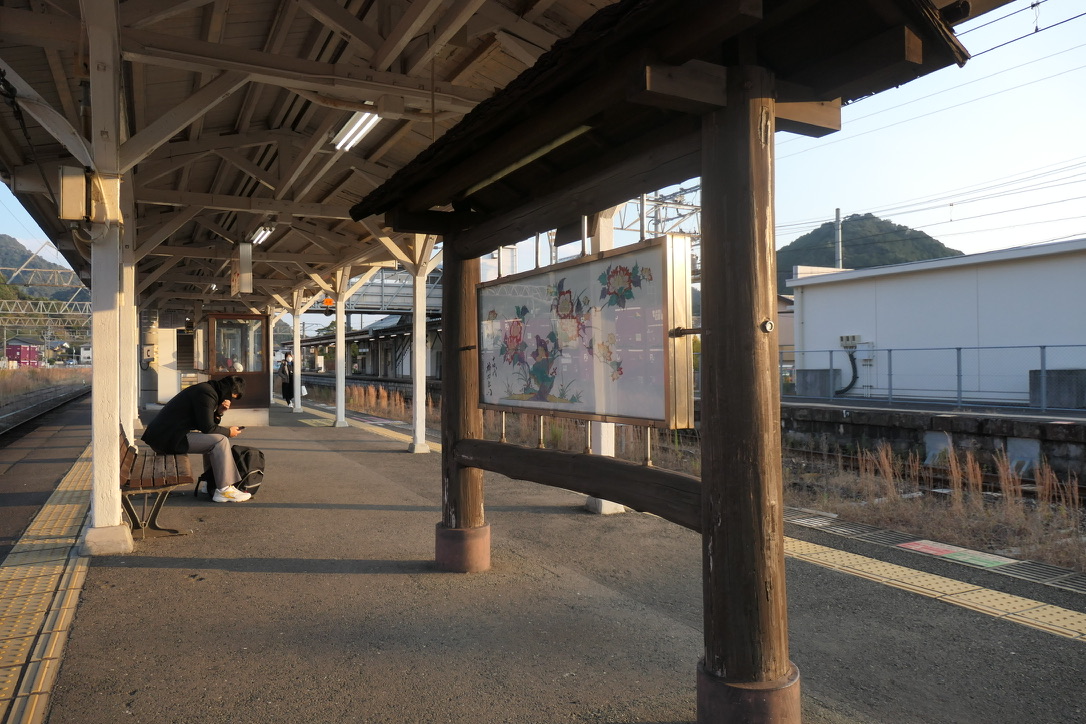
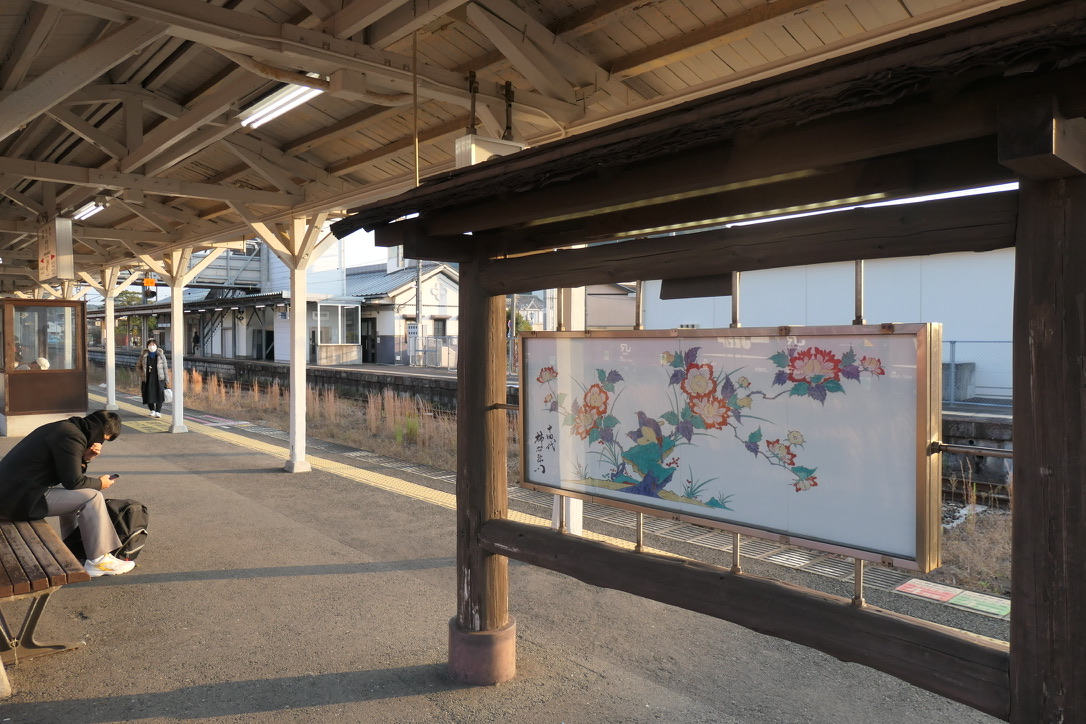
BONUS: Me coming back to edit what was supposed to be a travelogue.
(The original Proustian digression was about three times as long as what I posted.)