rowan rabe . ink

Tag: bildungsroman

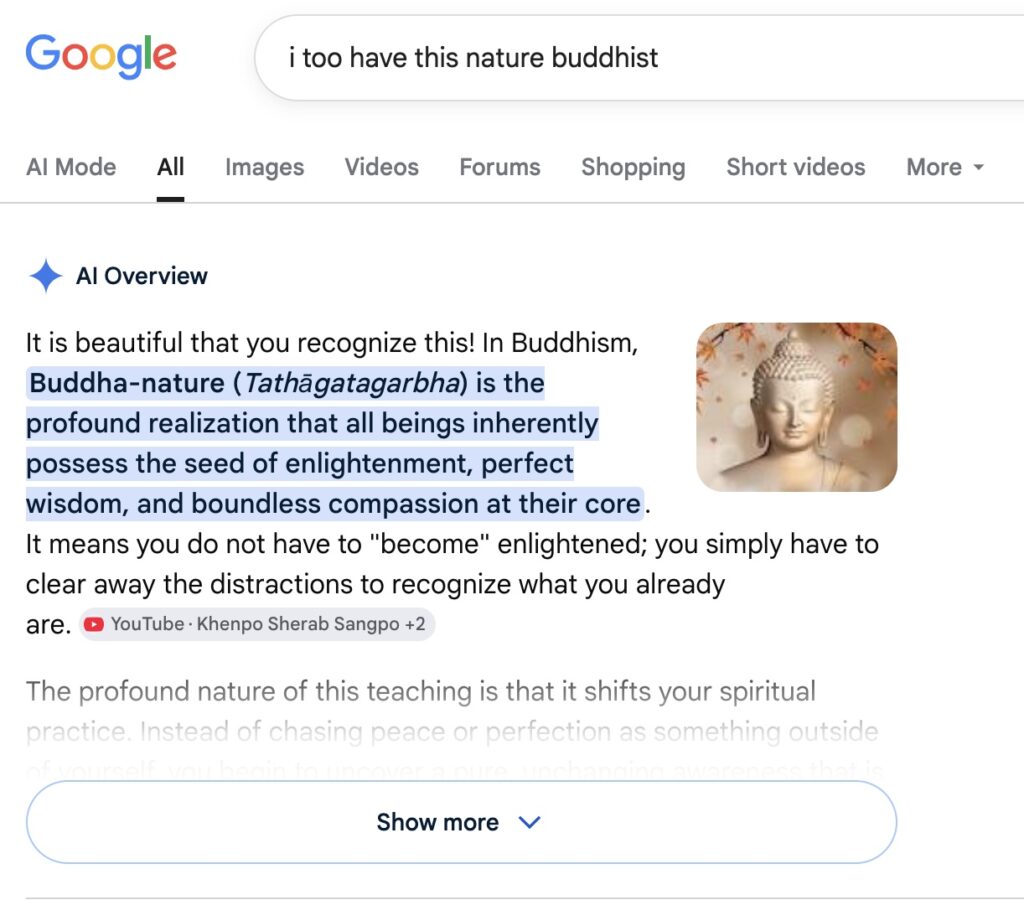
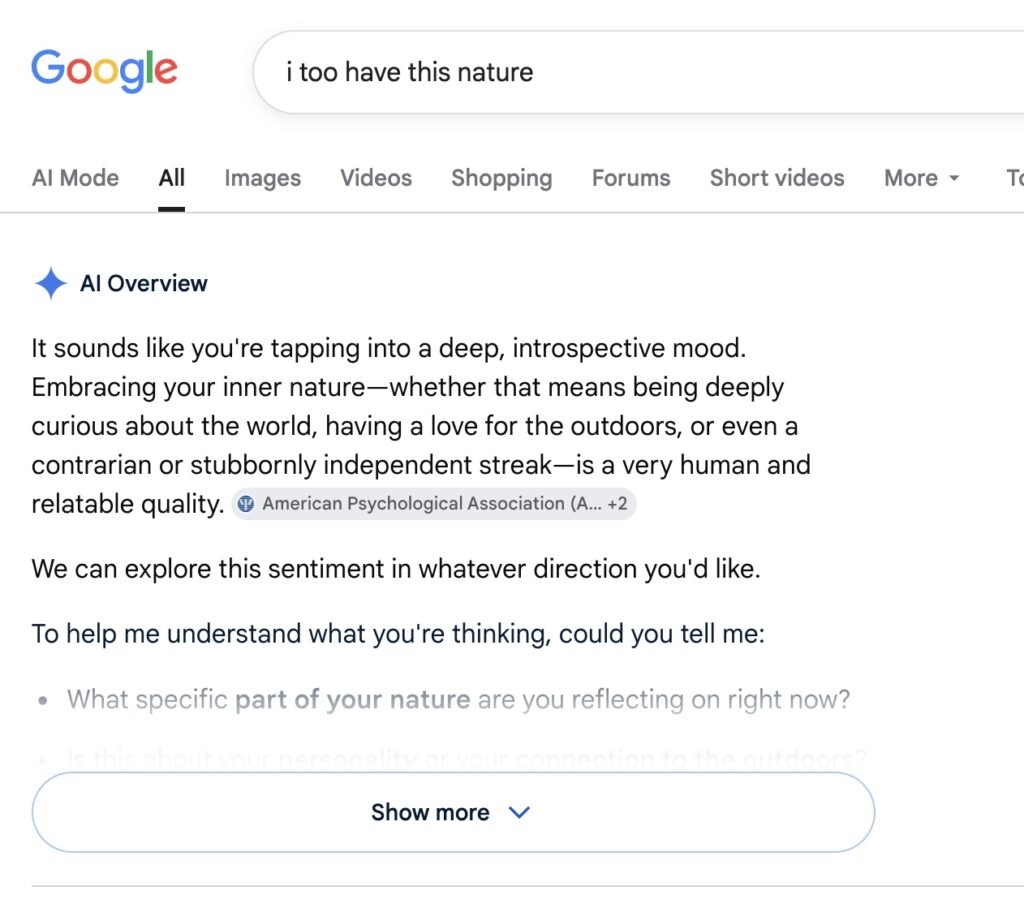
  • I, too, have this nature.

    I, too, have this nature.

    Direction-of-the-pharmacy from my apartment has slim options for cafes within easy walking distance. There’s Starbucks and McDonald’s, and the latter has cheaper coffee and still has WiFi, and despite the signs everywhere declaring that staying longer than 30 minutes is loitering and that the manager must enforce this restriction, nobody’s ever bugged me. This has held across locations; I frequently work in schools where your nearby options for coffee are the convenience store or a fast food joint, and I often drive out a couple hours early to avoid the worst of traffic.

    There’s an old folks meeting at the table next to me, I assume of a neighborly and regular nature. Older folks trickle in and sit at the same table* to kvetch. At one point old man says clearly: “It doesn’t get better as you get older.” Talk of some kind of test result. I glance over and the two old men that were at the table at that point are staring into the middle distance, down, way-it-goes kind of resignation. So I just sit “with” them, and listen, and think. I too have this nature; I too will grow old: this is inescapable. They too were once young, once felt a vague sense of distance and dread around the ailments of old age. I send them wishes of loving-kindness and peace. And I think.
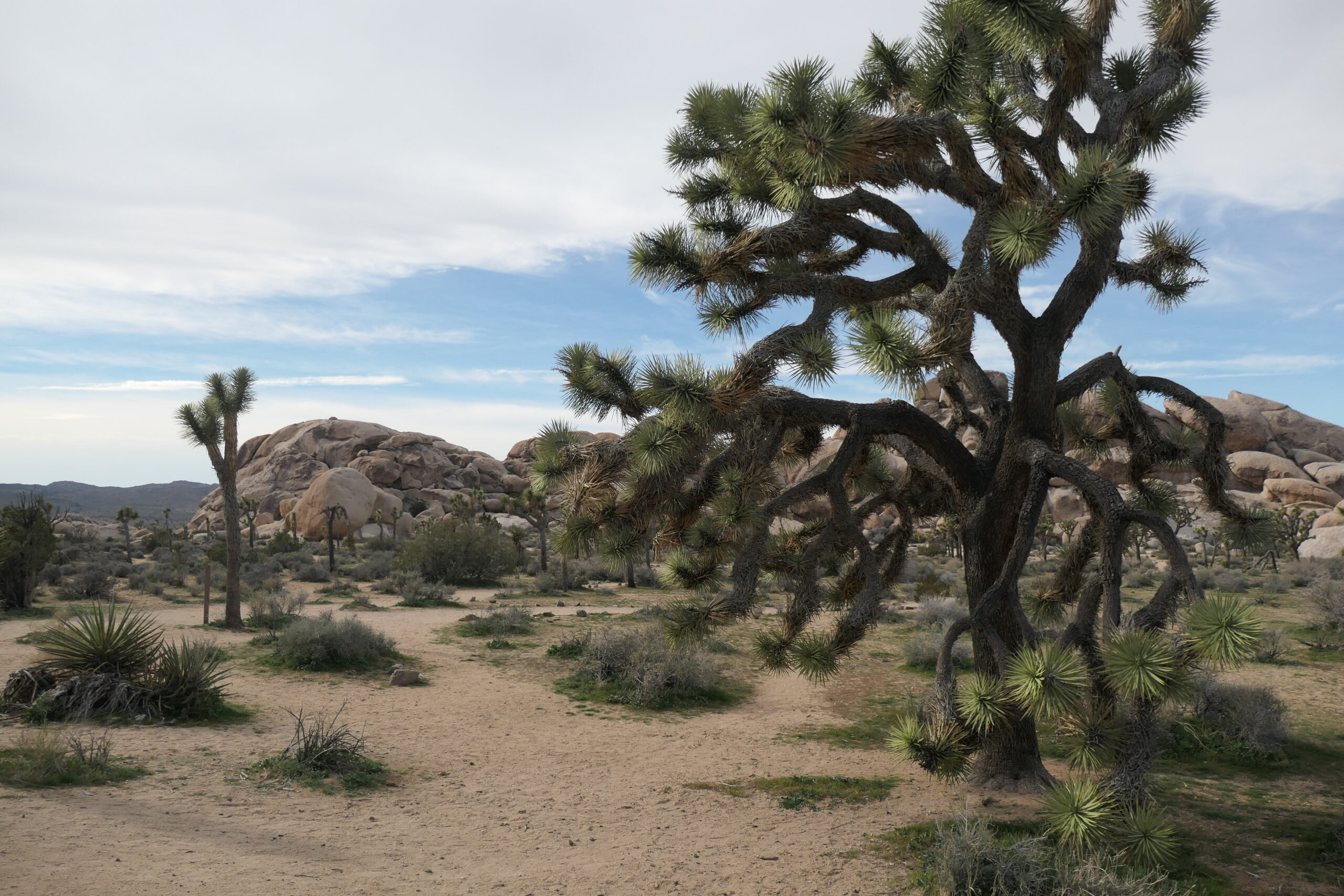
    An old Joshua tree at Joshua Tree National Park.
    May I have the wisdom of this old Joshua tree. Tell me what you know. (Photo from Joshua Tree NP February 2026)

    Kind of, you know, whatever.

    I’m reading Romain Rolland’s Jean-Christophe bildungsroman** and the titular character has a massive hate-on, specifically, explicitly, for Brahms, and as I can’t recall any works offhand I’m listening to Brahms right now and… I don’t know, doesn’t seem that bad. Kind of flat and insipid but fine enough. Then again I am not exactly a musical prodigy (Christophe, the character) or a musical critic (Rolland himself).

    Addendum: WOULD YOU FUCK OFF??

    WOULD YOU PLEASE. FUCK RIGHT THE FUCK OFF.

    *The first old guy to get there comes by my table and says “Just so you know, we were going to sit there, but that’s okay.” And I offer to move (it *is* a larger table but as place was empty-ish I felt fine taking it for myself) but he just throws up his hands and says, “No, no; I’m just sayin…” and walks away. I don’t respond to vague innuendo mind games so I stayed put. Look, I offered.

    **Well, where I am in the story thus far he’s only a young man, so thus far the story has been this.

  • bildungsroman

    adolescence ai ai paranoia bildungsroman book of the new sun chatgpt class warfare climate change consent consumerism data center dead internet theory democracy dictatorship environment fascism four ways to forgiveness fuck trump Greek myth hades ii hermann hesse illusion of choice illusion of freedom imperialism infrastructure jrpg madeleines minmaxing music openai relationships science fiction sick soft post-apocalypse starlink Star Trek stephen fry time trails in the sky Ursula K. Le Guin us politics water water rights writing ็ฉบใฎ่ปŒ่ทก

    Eighth grade I had to take a computer basics class, which consisted of things like: how to open Microsoft Word. For some reason we had a visitor come speak to the class about life in his country. I forgot the country. But I do remember my mind being blown when he said that in his culture, birthdays were no cause for celebration, because they meant you were one year closer to death.

    I was only a few years into that developmental stage wherein your neural architecture is setting up to understand ambiguities, innuendo, plasticity of cultural norms–even the norms you think are so basic to human nature you are baffled they can be seen another way (i.e. birthdays are good.) I had a vague idea that space aliens would have radically different norms, but the idea that humans, on Earth, could have norms that different was a revelation. I wish I had taken that moment to read more anthropology and speculative fiction, but I had no interest in what I saw as issues that, in the grand scheme of things, don’t Mean Anything, like politics. It took me a while to realize that those tedious concrete issues do effect material conditions and therefore are of relevance–if not to me, to others–but at the time I was engulfed in fantasy, in narrative and character and magic and arcane knowledge. The things that matter. Anime, video games, books, making up stories.

    Anyway, where I was going with this — I read Demian around this age and it absolutely blew my mind inside-out. I thought it was the deepest most true shit in the entire universe. And I realize that age at which I read it is one of the key reasons it is a favorite book; the things you are obsessed with in those early myelinating ages, 11-14 or so, stick with you, become integrated into your scaffolding. I’ve recommended it over the years to people of a progressively older age, pacing with my own age, and they did not see the brilliance I did. I recently re-read it (well into my 30s) and to me it now holds up as one of those books that articulates truths that you already know but did not have the words to express. So it now comes to me as a time-travel piece, a window back into my thinking as an adolescent, and in that, there is brilliance, the clarity with which those childish thought processes were recorded.

    I still love a good bildungsroman. But instead of guiding me through my own awakening, it is a bittersweet, nostalgic transcendence, wherein I see all the more clearly all the years of my life superimposed over each other to make one “self”.

    Maybe the other utility of the bildungsroman to the grown self (other than nostalgia and the revelation evoked from that itself, a chain of realizing-that-realizing-that-realizing in the context of an entire life) is in reminding us what it was like to be that age, and in giving us some grace when dealing with adolescents up their own ass enamored with their own brilliance.

    (Forefront of things I was obsessed with during that ‘building of self’ age was Revolutionary Girl Utena and Neon Genesis Evangelion; you tell me what that says about me.)